



Cottus asper Richardson, 1836
Prickly sculpin
Загрузить свой Фото и Видео
изображения | Изображение на Google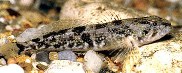 Cottus asper
Изображение сделано The Native Fish Conservancy
изображения | Изображение на Google
Изображение сделано The Native Fish Conservancy
Классификация / Имена народные названия | синонимы | Catalog of Fishes(род, виды) | ITIS | CoL | WoRMS | Cloffa
> Perciformes/Cottoidei (Sculpins) > Cottidae (Sculpins)
Etymology: Cottus: Greek, kottos = a fish (Ref. 45335); asper: asper meaning rough (Ref. 1998).
More on author: Richardson.
Etymology: Cottus: Greek, kottos = a fish (Ref. 45335); asper: asper meaning rough (Ref. 1998).
More on author: Richardson.
Окружающая среда: среда / климатическая зона / пределы глубины / диапазон распространения экология
морской; пресноводный; солоноватоводный демерсальный; катадромный (Ref. 138280). Temperate; 60°N - 32°N
распространение Территории | регионы FAO | Экосистемы | места находок | карта точек | интродукции | Faunafri
North America: Pacific slope drainages from Seward, Alaska to Ventura River, California, USA; also east of Continental Divide in upper Peace River in British Columbia, Canada. Exhibits coastal and inland forms that are genetically distinct (Ref. 27547).
Размер / Вес / Возраст
половая зрелость: Lm ? range ? - ? cm
Max length : 30.0 cm TL самец/пол неопределен; (Ref. 5723); common length : 7.0 cm TL самец/пол неопределен; (Ref. 12193); наибольший возраст (опубликованны данные): 7 годы (Ref. 28210)
Max length : 30.0 cm TL самец/пол неопределен; (Ref. 5723); common length : 7.0 cm TL самец/пол неопределен; (Ref. 12193); наибольший возраст (опубликованны данные): 7 годы (Ref. 28210)
Краткое описание определительные ключи | морфология | морфометрия
колючие лучи спинного плавника (общее число) : 7 - 10; членистые (мягкие) лучи спинного плавника (общее число) : 18 - 23; колючие лучи анального плавника: 0; членистые (мягкие) лучи анального плавника: 15 - 19; позвонки: 34 - 39. Distinguished by a complete lateral line, a single pore at the tip of the chin, the presence of 15 to 19 anal rays, and well developed palatine teeth (Ref. 27547). Pectorals large and fan-shaped; caudal truncate or slightly rounded (Ref. 27547). Dark brown, olive or gray above and on sides, whitish yellow to white below; usually three dark irregular blotches or bars below soft dorsal; vague irregular dark mark on sides; fins (except anal) have dark bars, the first dorsal with a dark spot towards the rear (Ref. 27547). Both sexes show an orange band on the edge of the first dorsal fin at spawning time (Ref. 27547). The inland form is generally more densely prickled over a larger portion of the body while the coastal form shows a reduced number of prickles (Ref. 28211).
Body shape (shape guide): elongated.
Body shape (shape guide): elongated.
There appears to be two genetically distinct forms (Ref. 27547), an inland form found in sandy and rocky shores of lakes, and a coastal form usually found over sand in quiet runs of small to medium rivers; sometimes in salt water near river mouths (Ref. 2850). The coastal form moves into brackish estuaries to spawn (Ref. 27547). Oviparous with demersal, adhesive eggs and pelagic larvae (Ref. 265). Adults feed mainly on aquatic insect larvae and bottom invertebrates (Ref. 1998). Too small to be used as food and too difficult to capture in large numbers to be used for anything else (Ref. 27547) but large individuals are reported to be excellent eating as well as good bait fishes (Ref. 2850).
Жизненный цикл и брачное поведение половая зрелость | размножение | нерест | икра | Плодовитость | личинки
Prior to breeding, males move downstream and select a nesting site under boulders or flat rocks. Females aggregate some distance upstream and move down singly to the spawning area. Courtship behavior occurs outside the nest until a female is selected. The pair enter the nesting site, courting continues until eggs are deposited and fertilized. The female then leaves the nest and goes back upstream to feed, while the male spawns with other females or fans and guards the eggs. The male does not feed until the eggs have hatched, moving upstream only in the late summer (Ref. 1998, 27547). During the planktonic stage, larvae of the freshwater nonanadromous form in lakes show distinct diurnal vertical migrations, being most abundant at the surface during the darkest hours of the night. They apparently stay deep in the water during the day and on bright moonlight nights (Ref. 28920). Metamorphosis is complete by the end of the planktonic period and the young take up a demersal mode of life. The young coastal form may move upstream during the fall, although the young may remain in the estuary for a full year (Ref. 27547).
Основная ссылка
Загрузите свои рекомендации | ссылки | координатор | соавторы
Page, L.M. and B.M. Burr, 1991. A field guide to freshwater fishes of North America north of Mexico. Houghton Mifflin Company, Boston. 432 p. (Ref. 5723)
Статус Красного Списка МСОП (Ref. 130435: Version 2025-2 (Global))
Не вызывающий беспокойства (LC) ; Date assessed: 08 November 2011
CITES
Not Evaluated
Угроза для людей
Harmless
Использование человеком
рыболовство: коммерческий; аквариум: общественные аквариумы; наживка: occasionally
FAO - Publication: search | FishSource |
дополнительная информация
Трофическая экология
Пищевые предметы (добыча)
состав пищи
потребление пищи
Продовольственные пайки
хищники
Пищевые предметы (добыча)
состав пищи
потребление пищи
Продовольственные пайки
хищники
Динамика численности населения
Параметры роста
Макс. возраст / размер
Отношение длины к весу.
Отношение длины к длине.
Размерный состав
Преобразование массы
пополнение
численность
Параметры роста
Макс. возраст / размер
Отношение длины к весу.
Отношение длины к длине.
Размерный состав
Преобразование массы
пополнение
численность
Жизненный цикл
размножение
половая зрелость
Зрелость/Жиры относительно.
Плодовитость
нерест
Нерестовые скопления
икра
Развитие икры
личинки
динамика численности личинок
размножение
половая зрелость
Зрелость/Жиры относительно.
Плодовитость
нерест
Нерестовые скопления
икра
Развитие икры
личинки
динамика численности личинок
Анатомия
жаберная область
Мозг
Отолит
жаберная область
Мозг
Отолит
Физиология
Состав тела
Питательные вещества
Потребление кислорода
Тип плавания
Скорость плавания
Зрительные пигменты
Звук рыбы
Болезни и паразиты
Токсичность (LC50s)
Состав тела
Питательные вещества
Потребление кислорода
Тип плавания
Скорость плавания
Зрительные пигменты
Звук рыбы
Болезни и паразиты
Токсичность (LC50s)
генетика
Геном
генетика
Гетерозиготность
наследуемость
Генетическое разнообразие
Геном
генетика
Гетерозиготность
наследуемость
Генетическое разнообразие
Связанные с человеком
Системы аквакультуры
особенности рыбоводства
степень растяжения
Случаи заболевания сигуатерой
Марки, монеты и прочее.
Системы аквакультуры
особенности рыбоводства
степень растяжения
Случаи заболевания сигуатерой
Марки, монеты и прочее.
инструменты
Органическая викторина | Электронная книга | полевой определитель | определительные ключи | Длина-Частота | онтогенез | карта точек |
Catch-MSY |
Специальные отчеты
Проверить содержание в аквариумах | Проверить опубликованные видовые данные | Проверить опубликованные данные по аквакультуре
Скачать в формате XML
ресурсы в Интернет
AFORO (otoliths) | Alien/Invasive Species database | Aquatic Commons | BHL | Cloffa | Websites from users | Проверить FishWatcher | CISTI | Catalog of Fishes: род, виды | DiscoverLife | ECOTOX | FAO - Publication: search | Faunafri | Fishipedia | Fishtrace | GloBI | Google Books | Google Scholar | Google | IGFA World Record | OneZoom | Open Tree of Life | Otolith Atlas of Taiwan Fishes | общественные аквариумы | PubMed | Reef Life Survey | Socotra Atlas | TreeBase | Tree of Life | Wikipedia: Вперёд, поиск | World Records Freshwater Fishing | Zoobank | Зоологическая летопись
Оценки, основанные на моделях
Индекс филогенетического разнообразия (ссылка 82804): PD50 = 0.5000 [Uniqueness, from 0.5 = low to 2.0 = high].
Bayesian length-weight: a=0.00832 (0.00345 - 0.02005), b=3.16 (2.98 - 3.34), in cm total length, based on LWR estimates for this Genus-body shape (Ref. 93245).
Трофический уровень (ссылка 69278): 3.2 ±0.0 se; based on diet studies.
устойчивость к внешним воздействиям (ссылка 120179): средний (среднего размера), минимальное время удвоения популяции 1.4-4.4 года (tmax=7; Fec=280).