Channa striata, Striped snakehead : fisheries, aquaculture, aquarium

Channa striata (Bloch, 1793)

Striped snakehead
ອັບໂຫລດຂອງທ່ານ ຮູບພາບ ແລະ ວິດີໂອ
ຮູບ | ສະແຕມ, ຫຼຽນ, ອື່ນໆ. | Google image

ການຈັດປະເພດ / ຊື່ ຊື່ສາມັນ | ຄຳສັບຄ້າຍຄືກັນ | Catalog of Fishes(ຕະກຸນ, ຊະນິດ) | ITIS | CoL | WoRMS | Cloffa

> Anabantiformes (Gouramies, snakeheads) > Channidae (Snakeheads)
Etymology: Channa: Greek, channe, -es = an anchovy (Ref. 45335).
More on author: Bloch.

ສະພາບແວດລ້ອມ: ສະພາບແວດລ້ອມ / ເຂດ​ດິນ​ຟ້າ​ອາ​ກາດ​ / ລະດັບຄວາມເລິກ / ຂອບເຂດການແຈກຢາຍ ນິເວດວິທະຍາ

; ນ້ຳຈືດ; ນ້ຳກ່ອຍ ກ່ຽວກັບ (ຢູ່)ເທິງຊັ້ນພື້ນດິນໃນທະເລເປີດ; pH range: 7.0 - 8.0; dH range: ? - 20; ກຸ່ມຫຼືຊະນິດປາທີ່ມີການເຄື່ອນຍ້າຍພາຍໃນນ້ຳຈືດ (Ref. 51243); ລະດັບຄວາມເລິກ 1 - 10 m (Ref. 2686), usually 1 - 2 m (Ref. 4515). Tropical; 23°C - 27°C (Ref. 1672); 35°N - 18°S

ການແຜ່ກະຈາຍ ອານາເຂດ | ເຂດ FAO | ລະບົບນິເວດ | ການປະກົດຕົວ | ຈຸດໃດໜຶ່ງທີ່ສະແດງອອກໃນແຜນທີ່ (ພ້ອມທັງສະແດງຂໍ້ມູນເພີ້ນເຕີມ) | ການແນະນຳ | Faunafri

Asia: Pakistan to Thailand and south China. Several countries report adverse ecological impact after introduction.

ຄວາມ​ຍາວ​ໃນ​ການ​ເຕີບ​ໂຕ​ເຕັມ​ຄັ້ງ​ທໍາ​ອິດ​ / ຂະໜາດ / ນ້ຳໜັກ / ອາຍຸ

ການຈະເລີນເຕັມໄວ: Lm 18.0, range 23 - ? cm
Max length : 100.0 cm SL ຕົວຜູ້/ບໍ່ມີເພດ; (Ref. 2686); common length : 61.0 cm TL ຕົວຜູ້/ບໍ່ມີເພດ; (Ref. 44091); ນ້ຳໜັກສູງສຸດທີ່ເຄຍຈັດພີມມາ: 3.0 kg (Ref. 40637)

ຄຳອະທິບາຍສັ້ນໆ ຕົວທີ່ໃຊ້ໃນການຈຳແນກຊະນິດ | ສະລີລະວິທະຍາ | ການວັດແທກຮູບຮ່າງລັກສະນະພາຍນອກຂອງດິນ,ສັດ,ປາ…

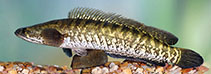
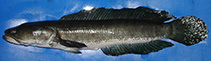
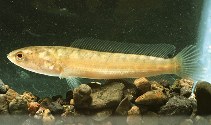
ຄີ (ໜາມ)ແຂງຢູ່ຫຼັງປາ (ທັງໝົດ) : 0; ຄີຫຼັງຂອງປາ (ຄີອ່ອນ) (ທັງໝົດ) : 38 - 43; ຄີ(ໜາມ) ແຂງຢູ່ຄີກົ້ນປາ ກຸ່ມປາກະດູກແຂງ ຄວາມຖີ່ຂອງກຸ່ມຖ່າຍທອດພັນ ປາທີ່ມີການເຄື່ອນຍ້າຍຈາກທະເລໄປຫານ້ຳຈືດ ແລະນ້ຳຈືດຫາທະເລ ປາທີ່ມີການເຄື່ອນຍ້າຍຈາກທະເລແລະໄປໄຂ່ຢູ່ນ້ຳຈືດ ຄີກົ້ນຂອງປາ ສັດທີ່ມີກະດູກສັນຫັຼງ ການຖ່າຍທອດທາງກຳມະພັນຈາກພໍ່ແມ່ຫາລູກ: 0; ຄີກົ້ນຂອງປາ: 23 - 27. Body sub-cylindrical; head depressed; caudal fin rounded (Ref. 2847). The dorsal surface and sides is dark and mottled with a combination of black and ochre, and white on the belly; a large head reminiscent of a snake's head; deeply-gaping, fully toothed mouth; very large scales (Ref. 44091).
Body shape (shape guide): elongated; Cross section: other (see Diagnosi.

ຊີວະສາດ     ຄຳແປສັບ (ຕ.ຢ. epibenthic)

Obligate air-breathing (Ref. 126274); Adults inhabit ponds, streams and rivers, preferring stagnant and muddy water of plains (Ref. 41236). Found mainly in swamps, but also occurs in the lowland rivers. More common in relatively deep (1-2 m), still water. Very common in freshwater plains (Ref. 4515, 57235). Occur in medium to large rivers, brooks, flooded fields and stagnant waters including sluggish flowing canals (Ref. 12975). Recorded as having been or being farmed in rice fields (Ref. 119549). Survive dry season by burrowing in bottom mud of lakes, canals and swamps as long as skin and air-breathing apparatus remain moist (Ref. 2686) and subsists on the stored fat (Ref. 1479). Feed on fish, frogs, snakes, insects, earthworms, tadpoles (Ref. 1479) and crustaceans (Ref. 2847). Undertake lateral migration from the Mekong mainstream, or other permanent water bodies, to flooded areas during the flood season and return to the permanent water bodies at the onset of the dry season (Ref. 37770). During winter and dry season, its flesh around coelomic cavity is heavily infested by a larval trematode Isoparorchis hypselobargi. Other parasites infecting this fish include Pallisentis ophicephali in the intestine and Neocamallanus ophicepahli in the pyloric caecae (Ref. 1479). Processed into pra-hoc, mam-ruot, and mam-ca-loc (varieties of fish paste) in Kampuchea (Ref.4929). Perhaps the main food fish in Thailand, Indochina and Malaysia (Ref. 2686). Firm white flesh almost bone-free, heavy dark skin good for soup and usually sold separately (Ref. 2686). In Hawaiian waters the largest specimen taken reportedly exceeded 150 cm (Ref. 44091). Very economic important on both cultures and captures throughout southern and southeastern Asia (Ref. 57235).

ວົງຈອນຊີວິດ ແລະພຶດຕິກໍາການຫາຄູ່ ການຈະເລີນເຕັມໄວ | ການສືບພັນ | ການວາງໄຂ່ | ໄຂ່ | ຄວາມດົກຂອງໄຂ່ປາ | ຕົວອ່ອນ

Breeds in ditches, ponds and flooded paddy fields. Young shoal at the surface and are guarded by the male parent (Ref. 54793), hiding below the surface water (Ref. 1479). In captivity, as soon as the male bends its body close to the female during mating, milt is released following the release of the eggs (Ref. 45162).

ເອກະສານອ້າງອີງຫຼັກ ອັບໂຫລດເອກະສານອ້າງອີງຂອງທ່ານ | ເອກະສານອ້າງອີງ | ຜູ້ປະສານງານ | ຜູ້ຮ່ວມມື

Pethiyagoda, R., 1991. Freshwater fishes of Sri Lanka. The Wildlife Heritage Trust of Sri Lanka, Colombo. 362 p. (Ref. 6028)

ສະຖານະພາບບັນຊີແດງຂອງ IUCN (Ref. 130435: Version 2025-2 (Global))

  Least Concern (LC) ; Date assessed: 11 August 2019

CITES

Not Evaluated

CMS (Ref. 116361)

Not Evaluated

ໄພຂົ່ມຂູ່ຕໍ່ມະນຸດ

  Potential pest (Ref. 2847)


ການນໍາໃຊ້ຂອງມະນຸດ

ການປະມົງ: ທີ່ມີການຄ້າສູງ; ການລ້ຽງສັດນ້ຳ: ເປັນສີນຄ້າ; ຕູ້ປາ: ບ່ອນວາງສະແດງສັນນ້ຳຂອງລັດ
FAO - ລະບົບການລ້ຽງປາ: ຜົນຜະລິດ; ການປະມົງ: ການລົງຈອດ, ໂປຣໄຟລ໌ສາຍພັນ; Publication: search | FishSource |

ຂໍ້ມູນຕື່ມອີກ

ນິເວດວິທະຍາເຂດຮ້ອນ
ລາຍການອາຫານ (ຜູ້ຖືກລ້າ)
ອົງປະກອບຂອງອາຫານ
ການບໍລິໂພກອາຫານ
ຄາບອາຫານ
ຜູ້ລ້າ
ນິເວດວິທະຍາ
ນິເວດວິທະຍາ
ນະໂຍບາຍດ້ານປະຊາກອນ
ຕົວວັດແທກການເຕີບໃຫຍ່
ສູງສຸດ. ອາຍຸ / ຂະຫນາດ
ຄວາມຍາວ-ນ້ໍາຫນັກ rel.
ຄວາມຍາວ - ຄວາມຍາວ rel.
ຄວາມຖີ່ຄວາມຍາວ
ການແປງມະຫາຊົນ
ການທົດແທນທີ່
ຄວາມອຸດົມສົມບູນ
ວົງຈອນຊີວິດ
ການສືບພັນ
ການຈະເລີນເຕັມໄວ
ການເຕີບໃຫຍ່ / Gills rel.
ຄວາມດົກຂອງໄຂ່ປາ
ການວາງໄຂ່
ການລວບລວມການວາງໄຂ່
ໄຂ່
ການພັດທະນາໄຂ່
ຕົວອ່ອນ
ການປ່ຽນແປງຂອງຕົວອ່ອນ
ຮ່າງກາຍ
ເນື້ອທີ່ເຫືອກ
ສະໝອງ
ໂອໂຕລິດ
ຟີຊິກສາດ
ອົງປະກອບຂອງຮ່າງກາຍ
ທາດອາຫານ
ການບໍລິໂພກອົກຊີເຈນ
ປະເພດລອຍ
ຄວາມໄວໃນການລອຍ
ເມັດສີທີ່ເບິ່ງເຫັນ
ສຽງປາ
ພະຍາດ & ກາຝາກ
ຄວາມເປັນພິດ (LC50s)
ກຳມະພັນ
ພັນທຸ ກຳ
ກຳມະພັນ
Heterozygosity
ການຖ່າຍທອດທາງກຳມະພັນຈາກພໍ່ແມ່ຫາລູກ
ຄວາມຫຼາກຫຼາຍທາງພັນທຸກໍາ

ເຄື່ອງມື

ບົດລາຍງານພິເສດ

ດາວໂຫລດ XML

ແຫຼ່ງອີນເຕີເນັດ

ການຄາດຄະເນໂດຍອີງໃສ່ແບບຈໍາລອງ

ດັດຊະນີຄວາມຫຼາກຫຼາຍທາງຊີວະພາບ (ເອກະສານອ້າງອີງ 82804):  PD50 = 0.5000   [Uniqueness, from 0.5 = low to 2.0 = high].
Bayesian length-weight: a=0.00912 (0.00748 - 0.01112), b=2.98 (2.94 - 3.02), in cm total length, based on LWR estimates for this species (Ref. 93245).
ຊັ້ນເຂດຮ້ອນ (ເອກະສານອ້າງອີງ 69278):  3.6   ±0.47 se; based on food items.
ຄວາມຢືດຢຸ່ນ (ເອກະສານອ້າງອີງ 120179):  ຂະໜາດກາງ, ປະຊາກອນຕຳ່ສຸດທີ່ໃຊ້ເວລາສອງເທົ່າ 1.4 - 4.4 ປີ (K=0.21; tm=1.5; Fec = 324).
ຄວາມສ່ຽງຕໍ່ການຫາປາ (Ref. 59153):  Moderate vulnerability (40 of 100). 🛈
ປະເພດລາຄາ (Ref. 80766):   Unknown.
ທາດອາຫານ (Ref. 124155):  Calcium = 62.8 [31.2, 135.6] mg/100g; Iron = 0.668 [0.466, 0.942] mg/100g; Protein = 17.9 [16.9, 18.7] %; Omega3 = 0.114 [0.058, 0.219] g/100g; Selenium = 35.3 [15.9, 80.3] μg/100g; VitaminA = 23.5 [10.2, 52.3] μg/100g; Zinc = 0.926 [0.672, 1.421] mg/100g (wet weight); based on nutrient studies.