



Catostomus catostomus (Forster, 1773)
Longnose sucker
Ανεβάστε το φωτογραφίες και Βίντεο
Φωτογραφίες | Γραμματόσημα, νομίσματα, διάφορα. | Google image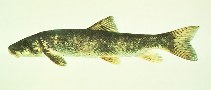 Catostomus catostomus
Εικόνα από Scarola, J.F.
Φωτογραφίες | Γραμματόσημα, νομίσματα, διάφορα. | Google image
Εικόνα από Scarola, J.F.
Ταξινόμηση / Ονόματα Κοινά ονόματα | Συνώνυμα | Catalog of Fishes(Γένος, Είδη) | ITIS | CoL | WoRMS | Cloffa
> Cypriniformes (Carps) > Catostomidae (Suckers) > Catostominae
Etymology: Catostomus: Greek, kata = down + Greek, stoma = mouth (Ref. 45335); catostomus: catostomus meaning inferior mouth, alluding to the ventral position of the mouth.
More on author: Forster.
Etymology: Catostomus: Greek, kata = down + Greek, stoma = mouth (Ref. 45335); catostomus: catostomus meaning inferior mouth, alluding to the ventral position of the mouth.
More on author: Forster.
Περιβάλλον: περιβάλλον / κλιματική ζώνη / εύρος βάθους / εύρος διανομής Οικολογία
; Γλυκού νερού; Υφάλμυρο βενθικό(ς); pH range: 6.5 - 7.8; dH range: 5 - 25; ποταμόδρομος (Ref. 126106); εύρος βάθους ? - 180 m (Ref. 1998). Temperate; 0°C - 15°C (Ref. 12468); 38°N - 32°N
Κατανομή Εδάφη | Περιοχές FAO | Οικοσυστήματα | Παρουσίες | Σημειακός χάρτης | Εισαγωγές | Faunafri
North America: throughout most of Canada and Alaska; Atlantic Slope south to Delaware River drainage in New York, USA; Great Lakes basin; upper Monongahela River drainage in Maryland and West Virginia, USA; Missouri River drainage south to Nebraska and Colorado, USA. Also in Arctic basin of Siberia in Russia. Occurs in Columbia River System (Molly Hallock, pers. comm.).
Μήκος κατά την πρώτη ωρίμανση / Μέγεθος / Βάρος / Ηλικία
Γεννητική Ωρίμανση: Lm ? range ? - ? cm
Max length : 64.0 cm TL αρσενικό/απροσδιόριστο; (Ref. 5723); common length : 22.5 cm TL αρσενικό/απροσδιόριστο; (Ref. 12193); μεγ. δημοσιευμένο βάρος: 3.3 kg (Ref. 28924); μεγ. αναφερόμενη ηλικία: 20 έτη (Ref. 12193)
Max length : 64.0 cm TL αρσενικό/απροσδιόριστο; (Ref. 5723); common length : 22.5 cm TL αρσενικό/απροσδιόριστο; (Ref. 12193); μεγ. δημοσιευμένο βάρος: 3.3 kg (Ref. 28924); μεγ. αναφερόμενη ηλικία: 20 έτη (Ref. 12193)
Σύντομη περιγραφή Κλείδες προσδιορισμού | Μορφολογία | Μορφομετρία
Ραχιαίες άκανθες (συνολικά) : 0; Μαλακές ραχιαίες ακτίνες (συνολικά) : 9 - 11; Εδρικές άκανθες: 0; Μαλακές εδρικές ακτίνες: 7; Σπόνδυλοι: 45 - 47. Distinguished by the sucking mouth located on the ventral sides of the head and thick papillose lips (Ref. 27547). Gill rakers short; lateral line complete, inconspicuous; caudal tips slightly rounded (Ref. 27547). Adults may be reddish brown, dark brassy green or black above, paler on the lower sides, with the ventral parts white; young fish are usually dark gray with small black spots; breeding males are usually dark above with a brilliant reddish stripe along each side, while females are greenish gold to copper, with a less brilliant red stripe; breeding males show prominent tubercles on the rays of the anal and caudal fins and also on the head (Ref. 27547).
Body shape (shape guide): fusiform / normal.
Body shape (shape guide): fusiform / normal.
Found in clear, cold, deep water of lakes and tributary streams; occasionally found in brackish water in the Arctic (Ref. 5723). Adults move from lakes into inlet streams or from slow, deep pools into shallow, gravel-bottomed portions of streams to spawn (Ref. 27547). They feed on benthic invertebrates (Ref. 1998). Young are preyed upon by other fishes and fish-eating birds; while adults in spawning streams are taken by mammals, osprey and eagles (Ref. 1998). Utilized as a food fish or as dog food (Ref. 27547).
Κύκλος ζωής και συμπεριφορά ζευγαρώματος Γεννητική Ωρίμανση | Αναπαραγωγή | Γεννοβολία | Αβγά | Γονιμότητα | Προνύμφες
Spawns only during daytime (Ref. 27547). At spawning, males lie close to the bottom in the current of the spawning area while females stay along the banks and in still water (Ref. 27547). A female moves from the bank of the stream usually escorted by 2-4 males to the spawning area at the center of the stream. The males crowd beside her; egg deposition occurs as the males try to clasp the female with their pelvic fins or vibrate against her with their anal fins. This spawning act lasts for 3-5 seconds and may occur as often as 6-40 times per hour. After the eggs are deposited, the sexes separate and return to their previous stream positions (Ref.1998). Fish that moved out of a lake to spawn generally return to the lake a few days after spawning. However, river-resident fish may stay on or near the spawning area for much of the summer (Ref. 27547). Many spawn in two or even three consecutive years but others may skip one or two years between spawning (Ref. 10928).
Κύρια αναφορά
Ανεβάστε τις αναφορές σας | Αναφορές | Συντονιστής | Συνεργάτες
Page, L.M. and B.M. Burr, 1991. A field guide to freshwater fishes of North America north of Mexico. Houghton Mifflin Company, Boston. 432 p. (Ref. 5723)
Κατάσταση Κόκκινου Καταλόγου IUCN (Ref. 130435: Version 2025-2 (Global))
Least Concern (LC) ; Date assessed: 21 February 2020
CITES
Not Evaluated
Απειλή για τον άνθρωπο
Harmless
Ανθρώπινες χρήσεις
αλιεία: περιορισμένης εμπορικότητας; αλιεία αναψυχής: ναί; Ενυδρείο: Δημόσια ενυδρεία
FAO - Publication: search | FishSource |
Περισσότερες πληροφορίες
Πληθυσμιακή δυναμική
Παράμετροι Αύξησης
Μέγιστες ηλικίες / μεγέθη
Μήκος-βάρος σχετ.
Μήκος-μήκος rel.
Μήκος-συχνότητες
Μετατροπή μάζας
Στρατολόγηση
Αφθονία
Παράμετροι Αύξησης
Μέγιστες ηλικίες / μεγέθη
Μήκος-βάρος σχετ.
Μήκος-μήκος rel.
Μήκος-συχνότητες
Μετατροπή μάζας
Στρατολόγηση
Αφθονία
Κύκλος ζωής
Αναπαραγωγή
Γεννητική Ωρίμανση
Ωριμότητα / Gills rel.
Γονιμότητα
Γεννοβολία
Συγκεντρώσεις αναπαραγωγής
Αβγά
Ανάπτυξη αυγών
Προνύμφες
Δυναμική προνυμφών
Αναπαραγωγή
Γεννητική Ωρίμανση
Ωριμότητα / Gills rel.
Γονιμότητα
Γεννοβολία
Συγκεντρώσεις αναπαραγωγής
Αβγά
Ανάπτυξη αυγών
Προνύμφες
Δυναμική προνυμφών
Ανατομία
Επιφάνεια βραγχίων
Εγκέφαλος
Ωτόλιθος
Επιφάνεια βραγχίων
Εγκέφαλος
Ωτόλιθος
Φυσιολογία
Σύνθεση σώματος
Θρεπτικά συστατικά
Κατανάλωση οξυγόνου
Τύπος κολύμβησης
Ταχύτητα κολύμβησης
Οπτικές χρωστικές ουσίες
Ήχος ψαριών
Ασθένειες & παράσιτα
Τοξικότητα (LC50)
Σύνθεση σώματος
Θρεπτικά συστατικά
Κατανάλωση οξυγόνου
Τύπος κολύμβησης
Ταχύτητα κολύμβησης
Οπτικές χρωστικές ουσίες
Ήχος ψαριών
Ασθένειες & παράσιτα
Τοξικότητα (LC50)
Ανθρώπινη σχέση
Συστήματα υδατοκαλλιέργειας
Προφίλ υδατοκαλλιεργειών
Στελέχοι
Περιπτώσεις Ciguatera
Γραμματόσημα, νομίσματα, διάφορα.
Συστήματα υδατοκαλλιέργειας
Προφίλ υδατοκαλλιεργειών
Στελέχοι
Περιπτώσεις Ciguatera
Γραμματόσημα, νομίσματα, διάφορα.
Εργαλεία
Βιολογικό κουίζ | Ηλεκτρονικό βιβλίο | Οδηγός πεδίου | Κλείδες προσδιορισμού | Ανάλυση κατά μήκος συνθέσεων | Εργαλείο ιστορίας ζωής | Σημειακός χάρτης |
Catch-MSY |
Ειδικές εκθέσεις
Έλεγχος για συντήρηση ενυδρείου | Ελέγξτε για ενημερωτικά δελτία ειδών | Ελέγξτε για ενημερωτικά δελτία υδατοκαλλιέργειας
Λήψη XML
Διαδικτυακές πηγές
AFORO (otoliths) | Alien/Invasive Species database | Aquatic Commons | BHL | Cloffa | Websites from users | Check FishWatcher | CISTI | Catalog of Fishes: Γένος, Είδη | DiscoverLife | ECOTOX | FAO - Publication: search | Faunafri | Fishipedia | Fishtrace | GloBI | Google Books | Google Scholar | Google | IGFA World Record | OneZoom | Open Tree of Life | Otolith Atlas of Taiwan Fishes | Δημόσια ενυδρεία | PubMed | Reef Life Survey | Socotra Atlas | TreeBase | Δέντρο Ζωής | Wikipedia: Go, αναζήτηση | World Records Freshwater Fishing | Zoological Record
Εκτιμήσεις βάσει μοντέλων
Δείκτης φυλογενετικής ποικιλότητας (Αναφ. 82804): PD50 = 0.5000 [Uniqueness, from 0.5 = low to 2.0 = high].
Bayesian length-weight: a=0.01259 (0.00746 - 0.02125), b=3.01 (2.86 - 3.16), in cm total length, based on LWR estimates for this species & (Sub)family-body (Ref. 93245).
Τροφικό Επίπεδο (Αναφ. 69278): 2.5 ±0.3 se; based on diet studies.
Ελαστικότητα (Αναφ. 120179): Χαμηλό, ελάχιστος χρόνος για διπλασιασμό πληθυσμού 4,5 - 14 έτη (tm=2-10; tm=20).