



Catostomus catostomus (Forster, 1773)
Longnose sucker
muatnaik fotos/gambar dan video
Gambar | Perangko, koin, dll. | imej Google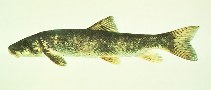 Catostomus catostomus
foto/gambar oleh Scarola, J.F.
Gambar | Perangko, koin, dll. | imej Google
foto/gambar oleh Scarola, J.F.
klasifikasi / Nama Nama-nama umum | Sinonim (persamaan) | Catalog of Fishes(Marga, Jenis) | ITIS | CoL | WoRMS | Cloffa
> Cypriniformes (Carps) > Catostomidae (Suckers) > Catostominae
Etymology: Catostomus: Greek, kata = down + Greek, stoma = mouth (Ref. 45335); catostomus: catostomus meaning inferior mouth, alluding to the ventral position of the mouth.
More on author: Forster.
Etymology: Catostomus: Greek, kata = down + Greek, stoma = mouth (Ref. 45335); catostomus: catostomus meaning inferior mouth, alluding to the ventral position of the mouth.
More on author: Forster.
Lingkungan: lingkungan / zona iklim / kisaran kedalaman / jangkauan distribusi Ekologi
; air tawar; payau dasar (demersal); pH range: 6.5 - 7.8; dH range: 5 - 25; potamodromous (Ref. 126106); kisaran kedalaman ? - 180 m (Ref. 1998). Temperate; 0°C - 15°C (Ref. 12468); 38°N - 32°N
Penyebaran Wilayah | Daerah-daerah FAO | Ekosistem | Kemunculan | peta titik | Introduksi | Faunafri
North America: throughout most of Canada and Alaska; Atlantic Slope south to Delaware River drainage in New York, USA; Great Lakes basin; upper Monongahela River drainage in Maryland and West Virginia, USA; Missouri River drainage south to Nebraska and Colorado, USA. Also in Arctic basin of Siberia in Russia. Occurs in Columbia River System (Molly Hallock, pers. comm.).
Panjang pada saat jatuh tempo pertama / Ukuran / Berat / umur
Kematangan: Lm ? range ? - ? cm
Max length : 64.0 cm TL jantan/; (Ref. 5723); common length : 22.5 cm TL jantan/; (Ref. 12193); Berat maksimum terpublikasi: 3.3 kg (Ref. 28924); Umur maksimum dilaporkan: 20 Tahun (Ref. 12193)
Max length : 64.0 cm TL jantan/; (Ref. 5723); common length : 22.5 cm TL jantan/; (Ref. 12193); Berat maksimum terpublikasi: 3.3 kg (Ref. 28924); Umur maksimum dilaporkan: 20 Tahun (Ref. 12193)
deskripsi pendek Kunci identifiaksi (pengenalan) | Morfologi | Morfometrik
Duri punggung (Keseluruhan (total)) : 0; duri punggung lunak (Keseluruhan (total)) : 9 - 11; Duri dubur: 0; Sirip dubur lunak: 7; vertebrata, bertulang belakang: 45 - 47. Distinguished by the sucking mouth located on the ventral sides of the head and thick papillose lips (Ref. 27547). Gill rakers short; lateral line complete, inconspicuous; caudal tips slightly rounded (Ref. 27547). Adults may be reddish brown, dark brassy green or black above, paler on the lower sides, with the ventral parts white; young fish are usually dark gray with small black spots; breeding males are usually dark above with a brilliant reddish stripe along each side, while females are greenish gold to copper, with a less brilliant red stripe; breeding males show prominent tubercles on the rays of the anal and caudal fins and also on the head (Ref. 27547).
Body shape (shape guide): fusiform / normal.
Body shape (shape guide): fusiform / normal.
Found in clear, cold, deep water of lakes and tributary streams; occasionally found in brackish water in the Arctic (Ref. 5723). Adults move from lakes into inlet streams or from slow, deep pools into shallow, gravel-bottomed portions of streams to spawn (Ref. 27547). They feed on benthic invertebrates (Ref. 1998). Young are preyed upon by other fishes and fish-eating birds; while adults in spawning streams are taken by mammals, osprey and eagles (Ref. 1998). Utilized as a food fish or as dog food (Ref. 27547).
Siklus hidup dan perilaku kawin Kematangan | Reproduksi, perkembang biakan | Pemijahan | telur-telur | Fekunditas | Larva
Spawns only during daytime (Ref. 27547). At spawning, males lie close to the bottom in the current of the spawning area while females stay along the banks and in still water (Ref. 27547). A female moves from the bank of the stream usually escorted by 2-4 males to the spawning area at the center of the stream. The males crowd beside her; egg deposition occurs as the males try to clasp the female with their pelvic fins or vibrate against her with their anal fins. This spawning act lasts for 3-5 seconds and may occur as often as 6-40 times per hour. After the eggs are deposited, the sexes separate and return to their previous stream positions (Ref.1998). Fish that moved out of a lake to spawn generally return to the lake a few days after spawning. However, river-resident fish may stay on or near the spawning area for much of the summer (Ref. 27547). Many spawn in two or even three consecutive years but others may skip one or two years between spawning (Ref. 10928).
rujukan utama
Unggah referensi Anda | Acuan | Koordinator | mitra
Page, L.M. and B.M. Burr, 1991. A field guide to freshwater fishes of North America north of Mexico. Houghton Mifflin Company, Boston. 432 p. (Ref. 5723)
Status IUCN Red List (Ref. 130435: Version 2025-2 (Global))
kurang bimbang (LC) ; Date assessed: 21 February 2020
CITES
Not Evaluated
ancaman kepada manusia
Harmless
penggunaan manusia
Perikanan: nilai komersial kecil; Ikan buruan: ya; Akuarium: Akuarium publik
FAO - Publication: search | FishSource |
informasi lanjut
Dinamika populasi
Parameter pertumbuhan
Maks. usia / ukuran
Panjang-berat rel.
Panjang-panjang rel.
ukuran frekuensi
Konversi massa
pemulihan
Kelimpahan
Parameter pertumbuhan
Maks. usia / ukuran
Panjang-berat rel.
Panjang-panjang rel.
ukuran frekuensi
Konversi massa
pemulihan
Kelimpahan
Siklus hidup
Reproduksi, perkembang biakan
Kematangan
Kedewasaan / insang rel.
Fekunditas
Pemijahan
Agregasi pemijahan
telur-telur
pekembangan telor
Larva
Dinamika larva
Reproduksi, perkembang biakan
Kematangan
Kedewasaan / insang rel.
Fekunditas
Pemijahan
Agregasi pemijahan
telur-telur
pekembangan telor
Larva
Dinamika larva
Anatomi
Area insang
Otak
Otolith
Area insang
Otak
Otolith
Fisiologi
Komposisi tubuh
Nutrisi
Konsumsi oksigen
Jenis renang
Kecepatan berenang
Pigmen visual
Suara ikan
Penyakit & Parasit
Toksisitas (LC50)
Komposisi tubuh
Nutrisi
Konsumsi oksigen
Jenis renang
Kecepatan berenang
Pigmen visual
Suara ikan
Penyakit & Parasit
Toksisitas (LC50)
Yang berhubungan dengan manusia
Sistem akuakultur
profil budidaya air
Strain
Kasus Ciguatera
Perangko, koin, dll.
Sistem akuakultur
profil budidaya air
Strain
Kasus Ciguatera
Perangko, koin, dll.
Alat, peralatan
Kuis organik | E-book | Penuntun lapangan | Kunci identifiaksi (pengenalan) | tanda freqkuenci panjang | peringkat sejarah hidup | peta titik |
Tangkap-MSY |
laporan khas
muat turun XML
Sumber internet
AFORO (otoliths) | Alien/Invasive Species database | Aquatic Commons | BHL | Cloffa | Websites from users | semak peneliti ikan | CISTI | Catalog of Fishes: Marga, Jenis | DiscoverLife | ECOTOX | FAO - Publication: search | Faunafri | Fishipedia | Fishtrace | GloBI | Google Books | Google Scholar | Google | IGFA World Record | OneZoom | Open Tree of Life | Otolith Atlas of Taiwan Fishes | Akuarium publik | PubMed | Reef Life Survey | Socotra Atlas | TreeBase | Tree of Life | Wikipedia: pergi, Cari | World Records Freshwater Fishing | Catatan Zoologi
Estimasi berdasarkan model
Indeks keanekaragaman filogenetik (Acuan 82804): PD50 = 0.5000 [Uniqueness, from 0.5 = low to 2.0 = high].
Bayesian length-weight: a=0.01259 (0.00746 - 0.02125), b=3.01 (2.86 - 3.16), in cm total length, based on LWR estimates for this species & (Sub)family-body (Ref. 93245).
Tingkat Trofik (Acuan 69278): 2.5 ±0.3 se; based on diet studies.
Daya lenting (Acuan 120179): Rendah, Waktu penggandaan populasi minimum 4.5 - 14 tahun (tm=2-10; tm=20).