



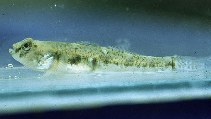
Pomatoschistus microps (Krøyer, 1838)
Common goby
مشاهدات خود را اضافه کنيد در Fish Watcher
| Native range | All suitable habitat | Point map | Year 2050 |

|
| This map was computer-generated and has not yet been reviewed. |
| Pomatoschistus microps AquaMaps Data sources: GBIF OBIS |
رده بندی / نامها اسامي عام | مترادف | Catalog of Fishes(جنس, گونه ها) | ITIS | CoL | WoRMS | Cloffa
> Gobiiformes (Gobies) > Gobiidae (Gobies) > Gobionellinae
Etymology: Pomatoschistus: Greek, poma, -atos = cover, operculum + Greek, schistos = divided (Ref. 45335).
Etymology: Pomatoschistus: Greek, poma, -atos = cover, operculum + Greek, schistos = divided (Ref. 45335).
محیط زیست: محیط زیست / منطقه آب و هوایی / تغييرات عمق / محدوده توزیع بوم شناسي
دريايي; آب شيرين; لب شور نزديك كف زي; رود کوچ (Ref. 138297); تغييرات عمق 0 - 12 m (Ref. 35388). Temperate; 8°C - 24°C (Ref. 4944); 64°N - 20°N, 19°W - 31°E
پراكنش سرزمینها | مناطق سازمان خوار و بار جهاني (FAO) | اکوسیستمها | ظهور | نقشه نقطه ای | معرفي | Faunafri
Eastern Atlantic: Norway to Morocco, including Baltic Sea (to southern Portugal) (Ref. 4696) and western Mediterranean. Also in Mauritania and the Canary Islands.
طول در اولین بلوغ / اندازه / وزن / سن
بلوغ: Lm ?, range 3 - ? cm
Max length : 9.0 cm TL جنس نر / بدون خواص جنسي; (Ref. 6303); بيشينه سن گزارش شده: 2.60 سال ها (Ref. 40230)
Max length : 9.0 cm TL جنس نر / بدون خواص جنسي; (Ref. 6303); بيشينه سن گزارش شده: 2.60 سال ها (Ref. 40230)
توصيف مختصر كليدهاي شناسايي | ريخت شناسي | ريخت ستجي بوسيله انداره گيري
خارهاي باله پشتي (کل) : 6 - 8; شعاع نرم باله پشتي (کل) : 8 - 11; خارهاي باله مخرجي: 1; شعاع نرم باله مخرجي: 7 - 10; مهره ها: 30 - 32. This species is distinguished from other gobies in European freshwaters by the following characters: males with conspicuous dark proximal posterior spot on first dorsal; with cephalic lateral line canals; anterior oculoscapular canal extending to snout; branched rays in second dorsal 8-10.5; anal origin below simple of first branched ray of D2; total scales in midlateral series 39-52; completely scaled postdorsal body; caudal rounded (Ref. 59043). No scales in front of the first dorsal fin (Ref. 35388); body shape is terete, slightly depressed; eyes situated dorso-laterally; reduced swim bladders (Ref. 92840).
Body shape (shape guide): elongated.
Body shape (shape guide): elongated.
Adullts enter estuaries, salt marshes and pools (Ref. 4343); usually on sand or mud (Ref. 59043). They live in sea as well as brackish waters and migrates into limnetic sections of rivers (Ref. 92840). Also in rock pools where they feed mainly on epibenthic meiofauna like harpacticoids and small amphipods (Ref. 92840); small crustaceans, worms, chironomid larvae and mites (Ref. 4696). They burrow to survive low water levels and to avoid predators (Ref. 30508). Mature individuals spawn after first winter, at sea, in February - September, depending on latitude; individual females spawn several times during a season. Adhesive eggs (0.9 x 0.7 mm) are deposited under or between stones, shells and aquatic plants and males guard the eggs until hatching. Juveniles enter freshwater habitats in late summer to forage (Ref. 59043). Males defend and aerate the eggs for about 9 days.
چرخه زندگی و رفتار جفتگیری بلوغ | تولید مثل | تخم ریزی | تخم ها | باروری | توزاد ( لارو)
Benthic spawner (Ref. 32023).
مآخذ اصلی
مراجع خود را بارگذاری کنید | مراجع | هماهنگ كننده | همكاران
Maugé, L.A., 1986. Gobiidae. p. 358-388. In J. Daget, J.-P. Gosse and D.F.E. Thys van den Audenaerde (eds.) Check-list of the freshwater fishes of Africa (CLOFFA). ISNB, Brussels; MRAC, Tervuren; and ORSTOM, Paris. Vol. 2. (Ref. 4343)
وضعيت در فهرست قرمز IUCN (Ref. 130435: Version 2025-2 (Global))
حداقل نگرانی (LC) ; Date assessed: 18 January 2023
CITES
Not Evaluated
خطر برای انسان ها
Harmless
استفاده انسانی
ماهي گيري – شيلات: از بی علاقه گی; آكواريوم: تجاري
FAO - Publication: search | FishSource |
اطلاعات بيشتر
پویایی جمعیت
پارامترهای رشد
حداکثر سن/اندازه
نسبت طول-وزن.
طول-طول نسبی.
نوسانات طولی
تبدیل انبوه
بازسازی
فراواني
پارامترهای رشد
حداکثر سن/اندازه
نسبت طول-وزن.
طول-طول نسبی.
نوسانات طولی
تبدیل انبوه
بازسازی
فراواني
فیزیولوژی
ترکیب بدن
مواد مغذی
مصرف اکسیژن
نوع شنا
سرعت شنا
رنگدانههای بصری
صدای ماهی
بیماریها و انگلها
سمیت (LC50s)
ترکیب بدن
مواد مغذی
مصرف اکسیژن
نوع شنا
سرعت شنا
رنگدانههای بصری
صدای ماهی
بیماریها و انگلها
سمیت (LC50s)
مرتبط با انسان
سیستمهای آبزیپروری
نمايه هاي آبزي پروري
نژادها
موارد سیگواترا
تمبر، سکه، متفرقه.
سیستمهای آبزیپروری
نمايه هاي آبزي پروري
نژادها
موارد سیگواترا
تمبر، سکه، متفرقه.
ابزارها
آزمون زیستشناسی | کتاب الکترونیکی | راهنماي صحرايي | كليدهاي شناسايي | امكان نرم افزاري بسامد طولي | ابزار تاريخ زيستي | نقشه نقطه ای |
گرفتن-MSY |
گزارش های ويژه
راجع به نگهداری آکواريم ملاحظه کنيد | برگه اطلاعات و مشخصات گونه ها را ملاحظه کنيد | برگه اطلاعات و مشخصات آبزی پروری را ببينيد
بارگيری XML
منابع اينترنتي
AFORO (otoliths) | Aquatic Commons | BHL | Cloffa | Websites from users | فيش واچر را ببينيد | CISTI | Catalog of Fishes: جنس, گونه ها | DiscoverLife | DORIS | ECOTOX | FAO - Publication: search | Faunafri | Fishipedia | Fishtrace | GloBI | Google Books | Google Scholar | Google | IGFA World Record | پايگاه هاي داده ها | OneZoom | Open Tree of Life | Otolith Atlas of Taiwan Fishes | آکواریوم عمومی | PubMed | Reef Life Survey | Socotra Atlas | TreeBase | Tree of Life | Wikipedia: برو, جستجو | World Records Freshwater Fishing | سوابق جانورشناسی
تخمینها بر اساس مدلها
دمای ترجیحی (مرجع 123201): 9 - 16.1, mean 10.8 °C (based on 450 cells).
شاخص تنوع فیلوژنتیکی (مرجع 82804): PD50 = 0.5001 [Uniqueness, from 0.5 = low to 2.0 = high].
Bayesian length-weight: a=0.00776 (0.00409 - 0.01473), b=3.09 (2.93 - 3.25), in cm total length, based on LWR estimates for this species & Genus-body shape (Ref. 93245).
سطح تروفیک (مرجع 69278): 3.3 ±0.3 se; based on diet studies.
Generation time: 3.7 ( na - na) years. Estimated as median ln(3)/K based on 1 growth studies.
جهندگی (مرجع 120179): متوسط, كمينه زمان لازم براي دو برابر شدن جمعيت 4/1 – 4/4 سال (K=0.29; tm=0.8; tmax=2.6; Assuming fec < 10,000).
مواد مغذی (Ref. 124155): Calcium = 97.2 [44.2, 272.7] mg/100g; Iron = 0.439 [0.228, 0.911] mg/100g; Protein = 18.1 [16.1, 19.7] %; Omega3 = 0.61 [0.23, 1.37] g/100g; Selenium = 4.9 [2.0, 12.3] μg/100g; VitaminA = 38.6 [9.8, 137.2] μg/100g; Zinc = 1.18 [0.76, 1.86] mg/100g (wet weight);