



مشاهدات خود را اضافه کنيد در Fish Watcher
| Native range | All suitable habitat | Point map | Year 2050 |

|
| This map was computer-generated and has not yet been reviewed. |
| Chanos chanos AquaMaps Data sources: GBIF OBIS |
را بارگذاری کني تصاوير و فيلم ها
عکس ها | فيلم ها | تصوير گوگل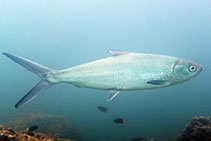 Chanos chanos
عکس از Gomen See@114°E Hong Kong Reef Fish Survey
عکس ها | فيلم ها | تصوير گوگل
عکس از Gomen See@114°E Hong Kong Reef Fish Survey
رده بندی / نامها اسامي عام | مترادف | Catalog of Fishes(جنس, گونه ها) | ITIS | CoL | WoRMS | Cloffa
> Gonorynchiformes (Milkfishes) > Chanidae (Milkfish)
Etymology: Chanos: Greek, chanos, -eos, ous, and chasma, -atos = abyss, mouth opened, inmensity (Ref. 45335).
Etymology: Chanos: Greek, chanos, -eos, ous, and chasma, -atos = abyss, mouth opened, inmensity (Ref. 45335).
محیط زیست: محیط زیست / منطقه آب و هوایی / تغييرات عمق / محدوده توزیع بوم شناسي
دريايي; آب شيرين; لب شور موجوداتی که در محدوده وسیعی از آبهای آزاد از نزدیک بستر و یا روی کف بستر، در قسمت های میان آبی تا سطح آب و در برخی گونه ها با قابلیت پرواز، زندگی و تغذیه می کنند.; هردو رو (Ref. 9814); تغييرات عمق 1 - 30 m (Ref. 6898), usually ? - 15 m (Ref. 89972). Tropical; 15°C - 43°C (Ref. 43081); 46°N - 52°S, 19°E - 77°W
پراكنش سرزمینها | مناطق سازمان خوار و بار جهاني (FAO) | اکوسیستمها | ظهور | نقشه نقطه ای | معرفي | Faunafri
Indo-West Pacific: South Africa to Red Sea, to Hawaii and the Marquesas, north to Japan, south to Victoria, Australia. Eastern Pacific: San Pedro, California to the Galapagos.
طول در اولین بلوغ / اندازه / وزن / سن
بلوغ: Lm 86.1, range 68 - 70 cm
Max length : 180 cm SL جنس نر / بدون خواص جنسي; (Ref. 9710); 124.0 cm SL (female); common length : 100.0 cm SL جنس نر / بدون خواص جنسي; (Ref. 9814); بيشينه وزن گزارش شده: 14.0 kg (Ref. 9814); بيشينه سن گزارش شده: 15 سال ها (Ref. 9814)
Max length : 180 cm SL جنس نر / بدون خواص جنسي; (Ref. 9710); 124.0 cm SL (female); common length : 100.0 cm SL جنس نر / بدون خواص جنسي; (Ref. 9814); بيشينه وزن گزارش شده: 14.0 kg (Ref. 9814); بيشينه سن گزارش شده: 15 سال ها (Ref. 9814)
توصيف مختصر كليدهاي شناسايي | ريخت شناسي | ريخت ستجي بوسيله انداره گيري
خارهاي باله پشتي (کل) : 2; شعاع نرم باله پشتي (کل) : 13 - 17; خارهاي باله مخرجي: 2; شعاع نرم باله مخرجي: 8 - 10; مهره ها: 46. This species is characterized by the following: body elongate and somewhat compressed; mouth small and toothless; single dorsal about mid-level of the body; pectoral fins falcate; caudal fin large and deeply forked; no scutes on belly; branchiostegal rays 4. Colour of the body olive green dorsally; flanks silvery; unpaired fins with dark margins (Ref. 49, 117228).
Body shape (shape guide): elongated; Cross section: oval.
Body shape (shape guide): elongated; Cross section: oval.
Adults are found in offshore marine waters and shallow coastal embayments, but also frequently enter estuaries and occasionally penetrate freshwater streams, along continental shelves and around islands, where temperatures are greater than 20°C. (Ref. 44894, 52331). They occur in small to large schools near the coasts or around islands where reefs are well developed. Eggs and larvae are pelagic up to 2-3 weeks. Older larvae migrate onshore and settle in coastal wetlands (mangroves, estuaries) during the juvenile stage, or occasionally enter freshwater lakes. Juveniles and sub-adults return to sea where they mature sexually. Mature adults spawn only in fully saline water. Larvae eat zooplankton; juveniles and adults eat cyanobacteria, soft algae, small benthic invertebrates, and even pelagic fish eggs and larvae. Larvae are collected from rivers and are grown in culture ponds into juveniles which are marketed fresh, smoked, canned or frozen. Brood stocks can be raised and spawned in captivity to produce larvae in the hatchery (Ref. 12868). This species can thrive and grow in water as hot as 32° C (Ref. 9987).
چرخه زندگی و رفتار جفتگیری بلوغ | تولید مثل | تخم ریزی | تخم ها | باروری | توزاد ( لارو)
Spawns in clear shallow waters above a bottom of sand or coral and at a distance of not more than 30 km from the shore. Females spawn up to 5 million eggs which hatch in about 24 hr. The larvae seek out clear coastal and estuarine waters warmer than 23°C with 10-32 salinity and abundant phytoplankton. Spawning and fertilization take place at night.
مآخذ اصلی
مراجع خود را بارگذاری کنید | مراجع | هماهنگ كننده | همكاران
Bagarinao, T., 1994. Systematics, distribution, genetics and life history of milkfish, Chanos chanos. Environ. Biol. Fishes 39(1):23-41. (Ref. 9814)
وضعيت در فهرست قرمز IUCN (Ref. 130435: Version 2025-2 (Global))
حداقل نگرانی (LC) ; Date assessed: 23 June 2016
CITES
Not Evaluated
خطر برای انسان ها
Harmless
استفاده انسانی
ماهي گيري – شيلات: با ارزش تجاري بالا; آبزي پروري: تجاري; ماهي ها ي سرگرم كننده: بله; طعمه: usually
FAO - سیستمهای آبزیپروری: تولید, نمايه گونه; ماهي گيري – شيلات: فرودها; Publication: search | FishSource | دریای اطراف ما
اطلاعات بيشتر
پویایی جمعیت
پارامترهای رشد
حداکثر سن/اندازه
نسبت طول-وزن.
طول-طول نسبی.
نوسانات طولی
تبدیل انبوه
بازسازی
فراواني
پارامترهای رشد
حداکثر سن/اندازه
نسبت طول-وزن.
طول-طول نسبی.
نوسانات طولی
تبدیل انبوه
بازسازی
فراواني
چرخه زندگی
تولید مثل
بلوغ
بلوغ/آبششها
باروری
تخم ریزی
تجمعات تخمریزی
تخم ها
نمو تخم
توزاد ( لارو)
پويايي لاروي
تولید مثل
بلوغ
بلوغ/آبششها
باروری
تخم ریزی
تجمعات تخمریزی
تخم ها
نمو تخم
توزاد ( لارو)
پويايي لاروي
فیزیولوژی
ترکیب بدن
مواد مغذی
مصرف اکسیژن
نوع شنا
سرعت شنا
رنگدانههای بصری
صدای ماهی
بیماریها و انگلها
سمیت (LC50s)
ترکیب بدن
مواد مغذی
مصرف اکسیژن
نوع شنا
سرعت شنا
رنگدانههای بصری
صدای ماهی
بیماریها و انگلها
سمیت (LC50s)
ابزارها
آزمون زیستشناسی | کتاب الکترونیکی | راهنماي صحرايي | امكان نرم افزاري بسامد طولي | ابزار تاريخ زيستي | نقشه نقطه ای |
گرفتن-MSY |
گزارش های ويژه
راجع به نگهداری آکواريم ملاحظه کنيد | برگه اطلاعات و مشخصات گونه ها را ملاحظه کنيد | برگه اطلاعات و مشخصات آبزی پروری را ببينيد
بارگيری XML
منابع اينترنتي
AFORO (otoliths) | Alien/Invasive Species database | Aquatic Commons | BHL | Cloffa | Websites from users | فيش واچر را ببينيد | CISTI | Catalog of Fishes: جنس, گونه ها | DiscoverLife | ECOTOX | FAO - سیستمهای آبزیپروری: تولید, نمايه گونه; ماهي گيري – شيلات: فرودها; Publication: search | Faunafri | Fishipedia | Fishtrace | GloBI | Google Books | Google Scholar | Google | IGFA World Record | پايگاه هاي داده ها | OneZoom | Open Tree of Life | OsteoBase: skull, spine | Otolith Atlas of Taiwan Fishes | آکواریوم عمومی | PubMed | Reef Life Survey | شناسايی RFE | Socotra Atlas | TreeBase | Tree of Life | Wikipedia: برو, جستجو | World Records Freshwater Fishing | سوابق جانورشناسی
تخمینها بر اساس مدلها
دمای ترجیحی (مرجع 123201): 20.7 - 29.2, mean 28.2 °C (based on 4182 cells).
شاخص تنوع فیلوژنتیکی (مرجع 82804): PD50 = 1.5000 [Uniqueness, from 0.5 = low to 2.0 = high].
Bayesian length-weight: a=0.00851 (0.00649 - 0.01116), b=3.06 (2.98 - 3.14), in cm total length, based on LWR estimates for this species (Ref. 93245).
سطح تروفیک (مرجع 69278): 2.5 ±0.14 se; based on food items.
جهندگی (مرجع 120179): پايين ، كم, كمينه زمان لازم براي دو برابر شدن جمعيت 5/4 – 14 سال (tm=4-8; tmax=15; Fec=200,000).
Prior r = 0.28, 95% CL = 0.19 - 0.42, Based on 3 data-limited stock assessments.
مواد مغذی (Ref. 124155): Calcium = 46.4 [25.2, 89.0] mg/100g; Iron = 0.661 [0.361, 1.169] mg/100g; Protein = 19.8 [15.5, 22.5] %; Omega3 = 0.111 [0.053, 0.225] g/100g; Selenium = 87.2 [39.4, 201.1] μg/100g; VitaminA = 11.4 [3.5, 34.1] μg/100g; Zinc = 1.39 [0.95, 2.06] mg/100g (wet weight); based on nutrient studies.