



Carcharias taurus Rafinesque, 1810
Sand tiger shark
ເພີ່ມການສັງເກດຂອງທ່ານໃນ Fish Watcher
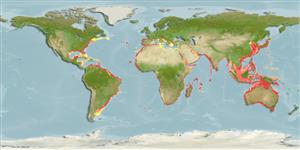
| Native range | All suitable habitat | Point map | Year 2050 |
|
| This map was computer-generated and has not yet been reviewed. |
| Carcharias taurus AquaMaps Data sources: GBIF OBIS |
ອັບໂຫລດຂອງທ່ານ ຮູບພາບ ແລະ ວິດີໂອ
ຮູບ | ວິດີໂອ | ສະແຕມ, ຫຼຽນ, ອື່ນໆ. | Google image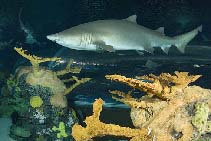 Carcharias taurus
ຮູບພາບໂດຍ Choromanski, J.M.
ຮູບ | ວິດີໂອ | ສະແຕມ, ຫຼຽນ, ອື່ນໆ. | Google image
ຮູບພາບໂດຍ Choromanski, J.M.
ການຈັດປະເພດ / ຊື່ ຊື່ສາມັນ | ຄຳສັບຄ້າຍຄືກັນ | Catalog of Fishes(ຕະກຸນ, ຊະນິດ) | ITIS | CoL | WoRMS | Cloffa
ກຸ່ມປາກະດູກອ່ອນ (ເຊັ່ນ: ປາສະຫລາມ, ປາຜາໄລ) (sharks and rays) > Lamniformes (Mackerel sharks) > Carchariidae (Ragged-tooth sharks)
Etymology: Carcharias: From the Ancient Greek karkharías, shark, derived from kárkharos, sharp or jagged, referring to a shark’s teeth (See ETYFish); taurus: Latin for bull, from Pesce Tauro, local name for this shark in Sicily, Italy, type locality (See ETYFish).
More on author: Rafinesque.
Etymology: Carcharias: From the Ancient Greek karkharías, shark, derived from kárkharos, sharp or jagged, referring to a shark’s teeth (See ETYFish); taurus: Latin for bull, from Pesce Tauro, local name for this shark in Sicily, Italy, type locality (See ETYFish).
More on author: Rafinesque.
ສະພາບແວດລ້ອມ: ສະພາບແວດລ້ອມ / ເຂດດິນຟ້າອາກາດ / ລະດັບຄວາມເລິກ / ຂອບເຂດການແຈກຢາຍ ນິເວດວິທະຍາ
ສັດທະເລ ກ່ຽວກັນຫີນ; ປາທີ່ມີການເຄື່ອນຍ້າຍໃນສະເພາະມາະຫາສະມຸດ (Ref. 51243); ລະດັບຄວາມເລິກ 1 - 191 m (Ref. 247), usually 15 - 25 m (Ref. 43278). Subtropical; 45°N - 48°S, 100°W - 155°E
ການແຜ່ກະຈາຍ ອານາເຂດ | ເຂດ FAO | ລະບົບນິເວດ | ການປະກົດຕົວ | ຈຸດໃດໜຶ່ງທີ່ສະແດງອອກໃນແຜນທີ່ (ພ້ອມທັງສະແດງຂໍ້ມູນເພີ້ນເຕີມ) | ການແນະນຳ | Faunafri
Circumtropical: Except perhaps the eastern Pacific (Ref. 13568). Indo-West Pacific: Red Sea and off the coasts of South Africa to Japan, Korea and Australia (Ref. 13568). Present in Arafura Sea (Ref. 9819). Western Atlantic: Gulf of Maine to Argentina. Old record from Bermuda, south Brazil (Ref. 26938). Eastern Atlantic: Mediterranean to Cameroon. Northwest Atlantic: Canada (Ref. 5951).
ຄວາມຍາວໃນການເຕີບໂຕເຕັມຄັ້ງທໍາອິດ / ຂະໜາດ / ນ້ຳໜັກ / ອາຍຸ
ການຈະເລີນເຕັມໄວ: Lm 225.0, range 220 - 230 cm
Max length : 330 cm TL ຕົວຜູ້/ບໍ່ມີເພດ; (Ref. 27549); common length : 250 cm TL ຕົວຜູ້/ບໍ່ມີເພດ; (Ref. 6077); ນ້ຳໜັກສູງສຸດທີ່ເຄຍຈັດພີມມາ: 158.8 kg (Ref. 40637)
Max length : 330 cm TL ຕົວຜູ້/ບໍ່ມີເພດ; (Ref. 27549); common length : 250 cm TL ຕົວຜູ້/ບໍ່ມີເພດ; (Ref. 6077); ນ້ຳໜັກສູງສຸດທີ່ເຄຍຈັດພີມມາ: 158.8 kg (Ref. 40637)
ຄຳອະທິບາຍສັ້ນໆ ຕົວທີ່ໃຊ້ໃນການຈຳແນກຊະນິດ | ສະລີລະວິທະຍາ | ການວັດແທກຮູບຮ່າງລັກສະນະພາຍນອກຂອງດິນ,ສັດ,ປາ…
ຄີ (ໜາມ)ແຂງຢູ່ຫຼັງປາ (ທັງໝົດ) : 0; ຄີ(ໜາມ) ແຂງຢູ່ຄີກົ້ນປາ
ກຸ່ມປາກະດູກແຂງ
ຄວາມຖີ່ຂອງກຸ່ມຖ່າຍທອດພັນ
ປາທີ່ມີການເຄື່ອນຍ້າຍຈາກທະເລໄປຫານ້ຳຈືດ ແລະນ້ຳຈືດຫາທະເລ
ປາທີ່ມີການເຄື່ອນຍ້າຍຈາກທະເລແລະໄປໄຂ່ຢູ່ນ້ຳຈືດ
ຄີກົ້ນຂອງປາ
ສັດທີ່ມີກະດູກສັນຫັຼງ
ການຖ່າຍທອດທາງກຳມະພັນຈາກພໍ່ແມ່ຫາລູກ: 0. A shark with a short, pointed snout, small eyes, protruding spike-like teeth and small, equal-sized dorsal and anal fins; 1st dorsal fin closer to pelvic than to pectoral fins (Ref. 5578). Caudal fin with a pronounced subterminal notch and a short ventral lobe (Ref. 13575). Pale brown or grey, paler below, with dark spots that appear faded in adults; fins plain (Ref. 6586).
Body shape (shape guide): fusiform / normal.
Body shape (shape guide): fusiform / normal.
A common littoral shark found inshore from the surf zone and in shallow bays to at least 191 m on the outer continental shelves (Ref. 13568). Often on or near the bottom but also occurs in midwater or at the surface (Ref. 247). Only shark known to gulp and store air in its stomach to maintain neutral buoyancy while swimming (Ref. 13568). Found singly or in small to large schools (Ref. 247). Feeds on bony fishes, small sharks, rays, squids, crabs, and lobsters (Ref. 5578). Ovoviviparous, embryos feeding on yolk sac and other ova produced by the mother as well as other siblings in the womb (uterine cannibalism) (Ref. 50449). Usually gives birth to 2 pups after a 9-12 months gestation period (Ref.58048). A migratory species in parts of its range, particularly in its northern and southern extremities where pronounced poleward migration occur in the summer and equatorial movements in autumn and winter (Ref. 247). Usually inoffensive and not aggressive when not provoked (Ref. 247) but has known to bite swimmers and be aggressive towards divers with speared fish (Ref. 6586). Utilized for fresh, frozen, smoked and dried for human consumption (Ref. 247); also for fishmeal, liver oil, fins, and hides for leather (Ref. 13568). Flesh highly appreciated in Japan (Ref. 36731).
ວົງຈອນຊີວິດ ແລະພຶດຕິກໍາການຫາຄູ່ ການຈະເລີນເຕັມໄວ | ການສືບພັນ | ການວາງໄຂ່ | ໄຂ່ | ຄວາມດົກຂອງໄຂ່ປາ | ຕົວອ່ອນ
Exhibit ovoviparity (aplacental viviparity), with embryos feeding on other ova produced by the mother (oophagy) after the yolk sac is absorbed, then cannibalize siblings (adelphophagy) (Ref. 50449). Distinct pairing with embrace (Ref. 205). Eggs leave the ovaries, and while in transit in the oviducts are fertilized and enclosed in groups of 16 to 23 in egg cases. However, at some time between fertilization and birth only two (Ref. 5578, 6586) embryos of its group prevails, possibly by devouring its rivals, and proceeds to eat fertilized eggs and smaller potential siblings in utero until birth. According to Springer (1948) (Ref. 39565), it is evident that this species sends forth into the world not only large, well-developed, and even experienced young but may send them forth with a full stomach. The yolk sac is resorbed at a small size, less than 17 cm, and the umbilical scar may be lost. Gestation period may be from 8 to 9 months long. Size at birth 100 cm (Ref. 6586).
Pratt (2001) (Ref. 49562) relates Gordon's (1993) (Ref. 51113) detailed account of the mating behavior of the sand tiger sharks as follows: "mating activities began when the two male C. taurus, having become reluctant to feed, increased their swimming speed, accompanied by clasper flexion and eventual interest in their female tank mates...aggressive displays such as snapping and stalking became frequent, mostly toward species of smaller Carcharhinus in the tank. The males did not become interested in the female until she slowed, moved to the sand area and started cupping her pelvic fins. The two males then became competitive toward each other, circling and tailing, until the alpha male forced the beta male out of the sand area. The female bit the male prior to copulation. She exhibited shielding behavior for several days and then resumed cupping and flaring. The female gradually changed her swimming position and began displaying the submissive behavior. The alpha male swam in increasingly larger circles and began splaying its claspers, then approached the female and exhibited tailing and nosing. Copulation occurred as the male bit into the right flank and trailing edge of the pectoral fin of the female. The male swam side by side with the female, copulating with the right clasper for one to two minutes. After copulation, the male showed little interest in the female." In captivity, males show aggression toward other species after copulation (Ref. 51113, 49562). Females avoid patrolling males by 'shielding' with pelvics close to the substrate (Ref. 51113, 49562). However, female acceptance of future male partner is indicated by a show of 'submissive' body, 'cupping' and 'flaring' of pelvic fins (Ref. 51113, 49562).
ເອກະສານອ້າງອີງຫຼັກ
ອັບໂຫລດເອກະສານອ້າງອີງຂອງທ່ານ | ເອກະສານອ້າງອີງ | ຜູ້ປະສານງານ : Compagno, Leonard J.V. | ຜູ້ຮ່ວມມື
Last, P.R. and J.D. Stevens, 1994. Sharks and rays of Australia. CSIRO, Australia. 513 p. (Ref. 6871)
ສະຖານະພາບບັນຊີແດງຂອງ IUCN (Ref. 130435: Version 2025-2 (Global))
Critically Endangered (CR) (A2bd); Date assessed: 07 December 2020
CITES
Not Evaluated
ໄພຂົ່ມຂູ່ຕໍ່ມະນຸດ
Traumatogenic (Ref. 4690)
ການນໍາໃຊ້ຂອງມະນຸດ
ການປະມົງ: ເປັນສີນຄ້າ; ຊະນິດປາທີ່ຖືກນຳໃຊ້ເຂົ້າໃນການຫາເພື່ອເປັນເກມກິລາ: ແມ່ນ
FAO - ການປະມົງ: ການລົງຈອດ, ໂປຣໄຟລ໌ສາຍພັນ; Publication: search | FishSource | ທະເລອ້ອມຂ້າງພວກເຮົາ
ຂໍ້ມູນຕື່ມອີກ
ນະໂຍບາຍດ້ານປະຊາກອນ
ຕົວວັດແທກການເຕີບໃຫຍ່
ສູງສຸດ. ອາຍຸ / ຂະຫນາດ
ຄວາມຍາວ-ນ້ໍາຫນັກ rel.
ຄວາມຍາວ - ຄວາມຍາວ rel.
ຄວາມຖີ່ຄວາມຍາວ
ການແປງມະຫາຊົນ
ການທົດແທນທີ່
ຄວາມອຸດົມສົມບູນ
ຕົວວັດແທກການເຕີບໃຫຍ່
ສູງສຸດ. ອາຍຸ / ຂະຫນາດ
ຄວາມຍາວ-ນ້ໍາຫນັກ rel.
ຄວາມຍາວ - ຄວາມຍາວ rel.
ຄວາມຖີ່ຄວາມຍາວ
ການແປງມະຫາຊົນ
ການທົດແທນທີ່
ຄວາມອຸດົມສົມບູນ
ວົງຈອນຊີວິດ
ການສືບພັນ
ການຈະເລີນເຕັມໄວ
ການເຕີບໃຫຍ່ / Gills rel.
ຄວາມດົກຂອງໄຂ່ປາ
ການວາງໄຂ່
ການລວບລວມການວາງໄຂ່
ໄຂ່
ການພັດທະນາໄຂ່
ຕົວອ່ອນ
ການປ່ຽນແປງຂອງຕົວອ່ອນ
ການສືບພັນ
ການຈະເລີນເຕັມໄວ
ການເຕີບໃຫຍ່ / Gills rel.
ຄວາມດົກຂອງໄຂ່ປາ
ການວາງໄຂ່
ການລວບລວມການວາງໄຂ່
ໄຂ່
ການພັດທະນາໄຂ່
ຕົວອ່ອນ
ການປ່ຽນແປງຂອງຕົວອ່ອນ
ຟີຊິກສາດ
ອົງປະກອບຂອງຮ່າງກາຍ
ທາດອາຫານ
ການບໍລິໂພກອົກຊີເຈນ
ປະເພດລອຍ
ຄວາມໄວໃນການລອຍ
ເມັດສີທີ່ເບິ່ງເຫັນ
ສຽງປາ
ພະຍາດ & ກາຝາກ
ຄວາມເປັນພິດ (LC50s)
ອົງປະກອບຂອງຮ່າງກາຍ
ທາດອາຫານ
ການບໍລິໂພກອົກຊີເຈນ
ປະເພດລອຍ
ຄວາມໄວໃນການລອຍ
ເມັດສີທີ່ເບິ່ງເຫັນ
ສຽງປາ
ພະຍາດ & ກາຝາກ
ຄວາມເປັນພິດ (LC50s)
ເຄື່ອງມື
Bio Quiz | E-book | ຄູ່ມືພາກສະໜາມ | ຕົວທີ່ໃຊ້ໃນການຈຳແນກຊະນິດ | ຄວາມຖີ່ຂອງຄວາມຍາວປາ | ເຄື່ອງມືຂອງຊີວະປະຫວັດທາງດ້ານຊີວິດ | ຈຸດໃດໜຶ່ງທີ່ສະແດງອອກໃນແຜນທີ່ (ພ້ອມທັງສະແດງຂໍ້ມູນເພີ້ນເຕີມ) |
ຈັບ-MSY |
ບົດລາຍງານພິເສດ
ກວດສອບການບໍາລຸງຮັກສາຕູ້ປາ | ກວດເບິ່ງເອກະສານຄວາມຈິງຂອງຊະນິດ | ກວດເບິ່ງເອກະສານຄວາມເປັນຈິງການລ້ຽງສັດນ້ຳ
ດາວໂຫລດ XML
ແຫຼ່ງອີນເຕີເນັດ
AFORO (otoliths) | Aquatic Commons | BHL | Cloffa | Websites from users | Check FishWatcher | CISTI | Catalog of Fishes: ຕະກຸນ, ຊະນິດ | DiscoverLife | DORIS | ECOTOX | FAO - ການປະມົງ: ການລົງຈອດ, ໂປຣໄຟລ໌ສາຍພັນ; Publication: search | Faunafri | Fishipedia | Fishtrace | GloBI | GoMexSI (interaction data) | Google Books | Google Scholar | Google | IGFA World Record | ຖານຂໍ້ມູນແຫ່ງຊາດ | OneZoom | Open Tree of Life | Otolith Atlas of Taiwan Fishes | ບ່ອນວາງສະແດງສັນນ້ຳຂອງລັດ | PubMed | Reef Life Survey | Socotra Atlas | TreeBase | ແຜນທີ່ສະແດງກິ່ງງ່າຂອງເຊື້ອຕະກຸນປາ, ສັດ ຈາກບັນພະບູລຸດຈົນເຖິງຫລານ | Wikipedia: Go, ຊອກຫາ | World Records Freshwater Fishing | Zoobank | ການບັນທຶກດ້ານສັດວິທະຍາ
ການຄາດຄະເນໂດຍອີງໃສ່ແບບຈໍາລອງ
ອຸນຫະພູມທີ່ຕ້ອງການ (ເອກະສານອ້າງອີງ 123201): 12.5 - 28, mean 24.6 °C (based on 648 cells).
ດັດຊະນີຄວາມຫຼາກຫຼາຍທາງຊີວະພາບ (ເອກະສານອ້າງອີງ 82804): PD50 = 1.0000 [Uniqueness, from 0.5 = low to 2.0 = high].
Bayesian length-weight: a=0.00741 (0.00277 - 0.01983), b=2.99 (2.76 - 3.22), in cm total length, based on LWR estimates for this (Sub)family-body shape (Ref. 93245).
ຊັ້ນເຂດຮ້ອນ (ເອກະສານອ້າງອີງ 69278): 4.5 ±0.4 se; based on diet studies.
ຄວາມຢືດຢຸ່ນ (ເອກະສານອ້າງອີງ 120179): ຕຳ່ຫຼາຍ, ປະຊາກອນຕຳ່ສຸດທີ່ໃຊ້ເວລາສອງເທົ່າຫຼາຍກວ່າ 14 ປີ (Fec=2; K=0.14-0.17; tmax=17).
ທາດອາຫານ (Ref. 124155): Calcium = 4.12 [0.71, 19.42] mg/100g; Iron = 0.397 [0.092, 1.092] mg/100g; Protein = 21.2 [18.7, 23.6] %; Omega3 = 0.215 [0.084, 0.534] g/100g; Selenium = 20.9 [5.9, 65.0] μg/100g; VitaminA = 20 [7, 64] μg/100g; Zinc = 0.286 [0.136, 0.590] mg/100g (wet weight);