This website uses cookies to enhance your browsing experience and ensure the functionality of our site. For more detailed information about the types of cookies we use and how we protect your privacy, please visit our Privacy Information page.
×
Cookie Settings
This website uses different types of cookies to enhance your experience. Please select your preferences below:
Plagiotremus tapeinosoma, Piano fangblenny : fisheries, aquarium
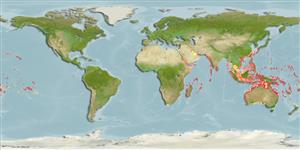
Indo-Pacific: Red Sea and East Africa (to False Bay, South Africa, Ref. 4404) to the Line, Marquesan, and Tuamoto Islands, north to southern Japan, south to New Zealand and Rapa. Replaced Plagiotremus goslinei in the Hawaiian Islands (Ref. 37816).
ຂະໜາດ / ນ້ຳໜັກ / ອາຍຸ
ການຈະເລີນເຕັມໄວ: Lm? range ? - ? cm Max length : 14.0 cm TL ຕົວຜູ້/ບໍ່ມີເພດ; (Ref. 9710)
ຄີ (ໜາມ)ແຂງຢູ່ຫຼັງປາ (ທັງໝົດ) : 7 - 9; ຄີຫຼັງຂອງປາ (ຄີອ່ອນ) (ທັງໝົດ) : 34 - 39; ຄີ(ໜາມ) ແຂງຢູ່ຄີກົ້ນປາ
ກຸ່ມປາກະດູກແຂງ
ຄວາມຖີ່ຂອງກຸ່ມຖ່າຍທອດພັນ
ປາທີ່ມີການເຄື່ອນຍ້າຍຈາກທະເລໄປຫານ້ຳຈືດ ແລະນ້ຳຈືດຫາທະເລ
ປາທີ່ມີການເຄື່ອນຍ້າຍຈາກທະເລແລະໄປໄຂ່ຢູ່ນ້ຳຈືດ
ຄີກົ້ນຂອງປາ
ສັດທີ່ມີກະດູກສັນຫັຼງ
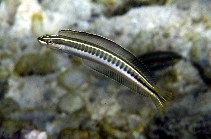
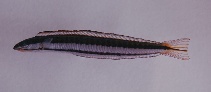
ການຖ່າຍທອດທາງກຳມະພັນຈາກພໍ່ແມ່ຫາລູກ: 2; ຄີກົ້ນຂອງປາ: 28 - 33. About 20 oblong segments form the dark midlateral body stripe (Ref. 4404). Body shape (shape guide): elongated.
Adults inhabit clear lagoon and seaward reefs (Ref. 9710), usually the lower surge zone to deeper areas. They hide in deserted worm tubes when alarmed (Ref. 1602). They feed by attacking other fishes and removing dermal tissue, mucus and sometimes scales; occasionally makes harmless 'attacks' on divers (Ref. 2334, 48636). Some individuals usually strike from behind and quickly dive in the reef for cover to avoid punishment (Ref. 48636). Their wriggling swimming mode possibly mimics other non-scale eating species. Oviparous. Eggs are demersal and adhesive (Ref. 205), and are attached to the substrate via a filamentous, adhesive pad or pedestal (Ref. 94114). Larvae are planktonic, often found in shallow, coastal waters (Ref. 94114). Minimum depth reported taken from Ref. 128797.
Randall, J.E., G.R. Allen and R.C. Steene, 1990. Fishes of the Great Barrier Reef and Coral Sea. University of Hawaii Press, Honolulu, Hawaii. 506 p. (Ref. 2334)
ສະຖານະພາບບັນຊີແດງຂອງ IUCN (Ref. 130435: Version 2025-2 (Global))
ອຸນຫະພູມທີ່ຕ້ອງການ (ເອກະສານອ້າງອີງ 123201): 23.9 - 28.8, mean 27.5 °C (based on 638 cells).
ດັດຊະນີຄວາມຫຼາກຫຼາຍທາງຊີວະພາບ (ເອກະສານອ້າງອີງ 82804): PD50 = 0.5005 [Uniqueness, from 0.5 = low to 2.0 = high].
Bayesian length-weight: a=0.00479 (0.00257 - 0.00892), b=3.01 (2.84 - 3.18), in cm total length, based on LWR estimates for this species & (Sub)family-body (Ref. 93245).
ຊັ້ນເຂດຮ້ອນ (ເອກະສານອ້າງອີງ 69278): 3.8 ±0.7 se; based on diet studies.
ຄວາມຢືດຢຸ່ນ (ເອກະສານອ້າງອີງ 120179): ສູງ, ປະຊາກອນຕຳ່ສຸດທີ່ໃຊ້ເວລາສອງໜ້ອຍກວ່າ 15 ເດືອນ (Preliminary K or Fecundity.).
ຄວາມສ່ຽງຕໍ່ການຫາປາ (Ref. 59153): Low vulnerability (10 of 100). 🛈