



アップロード 写真 そして ビデオ
画像 | 切手、コイン、その他 | グーグルの画像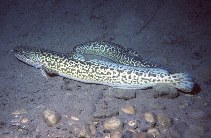 Lota lota
画像によって Keeley, E.R.
画像 | 切手、コイン、その他 | グーグルの画像
画像によって Keeley, E.R.
分類 / 名前 共通名の | 類義語 | Catalog of Fishes(部類, 種) | ITIS | CoL | WoRMS | Cloffa
> Gadiformes (Cods) > Lotidae (Hakes and burbots)
Etymology: Lota: French name for the cod (Ref. 45335); lota: From the French word "la Lotte" meaning codfish (Ref. 10294).
More on author: Linnaeus.
Etymology: Lota: French name for the cod (Ref. 45335); lota: From the French word "la Lotte" meaning codfish (Ref. 10294).
More on author: Linnaeus.
環境:環境 / 気候帯 / 深さの範囲 / 分布範囲 生態学
; 新鮮な水; 汽水性の 底生の; pH range: 7.5 - ? ; dH range: 18 - ?; potamodromous (Ref. 59043); 深さの範囲 1 - 700 m (Ref. 1998). Temperate; 4°C - 18°C (Ref. 2059); 78°N - 40°N, 180°W - 180°E
分布 領土 | 国連食糧農業機関の区域 | エコシステム | 事件 | 目的のマップ | 導入 | Faunafri
Circumarctic in freshwater (Ref. 1371). Europe: Loire drainage, France eastward to White, Barents and Arctic Sea basins; upper Volga drainage; western Caspian basin; rivers draining to Black Sea; Rhône drainage (France); in Italy native only in Po drainage; eastrward England (now extirpated). In Siberia eastward to River Lena. Reported that populations from eastern Siberia and North America belong to a different species, Lota maculosa (Ref. 59043). North America: Throughout Canada, Alaska and northern USA (south to Pennysylvannia, Kentucky, Missouri, Wyoming and Washington (Ref. 86798).
初回成熟時の長さ / サイズ / 重さ / 年齢
成熟: Lm 37.5, range 35 - 40 cm
Max length : 152 cm TL オス/雌雄の選別がない; (Ref. 27547); common length : 40.0 cm TL オス/雌雄の選別がない; (Ref. 1371); 最大公表体重: 34.0 kg (Ref. 27547); 最大記録サイズ: 20 年 (Ref. 556)
Max length : 152 cm TL オス/雌雄の選別がない; (Ref. 27547); common length : 40.0 cm TL オス/雌雄の選別がない; (Ref. 1371); 最大公表体重: 34.0 kg (Ref. 27547); 最大記録サイズ: 20 年 (Ref. 556)
簡単な記述 検索表 | 形態学 | 形態計測学
背面の脊椎 (合計) : 0; 背鰭 (合計) : 67 - 96; 肛門の骨: 0; 臀鰭: 58 - 84; 脊つい: 50 - 67. Diagnosed from all other freshwater fishes in Europe by its pelvic fin origin anterior to pectoral fin origin and by having one central barbel on lower jaw (Ref. 59043). Distinguished by the long second dorsal fin, at least 6 times as long as the first, and a single barbel on the chin (Ref. 27547). Gill rakers short (Ref. 27547). First dorsal short; second dorsal and anal fins joined to caudal; pectorals short and rounded; caudal rounded (Ref. 27547), with 40 rays (Ref. 2196). Color is yellow, light tan to brown with a pattern of dark brown or black on the body, head and fins (Ref. 1371). Pelvic fins pale, others dark and mottled (Ref. 27547).
Body shape (shape guide): elongated; Cross section: circular.
Body shape (shape guide): elongated; Cross section: circular.
The only member of Lotidae family which lives in freshwater. Crepuscular and nocturnal (Ref. 11941). Adults are found in well oxygenated flowing waters and large, deep lakes as well as large rivers with slow-moving current (Ref. 5723, 10294). They occur from estuaries of large lowland rivers as well as from small mountain streams, preferring deep waters in summer (Ref. 59043). They seek shelter under rocks, in crevices on the river banks, among roots of trees and dense vegetation (Ref. 30578, 10294). Those in rivers tend to congregate in deep holes throughout the year, except at spawning (Ref. 27547). Movements into shallower water during summer nights are related to feeding (Ref. 1998). Smaller individuals feed on insect larvae, crayfish, mollusks and other invertebrates with a changing preference for fishes in larger individuals (Ref. 1998, 10294). In Central Europe, males mature at 2 years while females at 3 years (Ref. 59043). Spawning occurs from November to March, at temperatures below 6°C in groups of up to 20 interlaced individuals forming a ball about 60 cm in diameter which constantly move and roll on the bottom while releasing eggs and sperms (Ref. 59043). May undertake short spawning migrations (Ref. 59043). Eggs are semipelagic, 1.2-1.8 mm in diameter and slightly sticky hatching after 40-70 days (Ref. 59043). Larvae are positively phototactic, floating below the surface in March and April (Ref. 59043). Larvae feed on drifting invertebrates or zooplankton (Ref. 59043). Source of oil. Sold mainly salted. Liver is sold smoked or canned in Europe (Ref. 1998). Processed into fishmeal (Ref. 1998). Because of its nocturnal habits and its slow movements, this fish is not very much appreciated by sport fishermen. Flesh is tasty but a little dry (Ref. 30578). Locally threatened due to river regulation (Ref. 59043).
ライフサイクルと交尾行動 成熟 | 繁殖 | 放精 | 卵 | 生産力 | 幼生
There appears to be individual movements into spawning areas with the males arriving first at spawning areas (Ref. 27547). It occurs at night, with spawners forming a great globular mass, each pushing toward the center (Ref. 28694), or at least milling around close together (Ref. 28697), releasing eggs or sperm. Observed to make postspawning runs upriver, apparently for feeding (Ref. 28697). Eggs hatch after 40-70 days. After about 2 months, juveniles are benthic, grow rapidly, reach about 8 cm SL within first year. (Ref. 59043).
主な参考文献
参考文献のアップロード | 参考文献 | コーディネーター | 協力者
Cohen, D.M., T. Inada, T. Iwamoto and N. Scialabba, 1990. FAO species catalogue. Vol. 10. Gadiform fishes of the world (Order Gadiformes). An annotated and illustrated catalogue of cods, hakes, grenadiers and other gadiform fishes known to date. FAO Fish. Synop. 125(10). Rome: FAO. 442 p. (Ref. 1371)
CITES
Not Evaluated
人間に対する脅威
Harmless
人間の用途
水産業: 商業; 水産養殖: 実験の; ゲームフィッシュ: はい; 水族館・水槽: 公共の水族館
FAO - 水産業: 着陸, 種の外形; Publication: search | FishSource | 私達の周りの海
より多くの情報
用具
オーガニック・クイズ | 電子書籍 | 野外観察図鑑 | 検索表 | 長さ-周波数ウィザード | 生活史の基盤ツール | 目的のマップ |
キャッチ-MSY |
特記事項
XMLをダウンロードして下さい
インターネットの情報源
AFORO (otoliths) | Alien/Invasive Species database | Aquatic Commons | BHL | Cloffa | Websites from users | Check FishWatcher | CISTI | Catalog of Fishes: 部類, 種 | DiscoverLife | DORIS | ECOTOX | FAO - 水産業: 着陸, 種の外形; Publication: search | Faunafri | Fishipedia | Fishtrace | GloBI | Google Books | Google Scholar | Google | IGFA World Record | 国のデーターベース | OneZoom | Open Tree of Life | Otolith Atlas of Taiwan Fishes | 公共の水族館 | PubMed | Reef Life Survey | Socotra Atlas | TreeBase | 生命の木 | Wikipedia: 行く, 検索する | World Records Freshwater Fishing | 動物に関する記録
モデルに基づく推定値
系統多様性指数 (参照 82804): PD50 = 1.0312 [Uniqueness, from 0.5 = low to 2.0 = high].
Bayesian length-weight: a=0.00537 (0.00441 - 0.00654), b=3.04 (2.98 - 3.10), in cm total length, based on LWR estimates for this species (Ref. 93245).
栄養段階 (参照 69278): 3.8 ±0.2 se; based on diet studies.
回復力 (参照 120179): 低い, 4.5年~14年の倍増期間の最小個体群 (K=0.05; tm=2-7; tmax=20).
栄養素 (Ref. 124155): Calcium = 12.9 [7.2, 34.7] mg/100g; Iron = 0.259 [0.142, 0.500] mg/100g; Protein = 17.5 [16.2, 19.0] %; Omega3 = 0.382 [0.200, 0.694] g/100g; Selenium = 24.4 [8.5, 62.9] μg/100g; VitaminA = 4.33 [1.21, 18.17] μg/100g; Zinc = 0.671 [0.485, 0.920] mg/100g (wet weight); based on nutrient studies.