



Ανεβάστε το φωτογραφίες και Βίντεο
Φωτογραφίες | Γραμματόσημα, νομίσματα, διάφορα. | Google image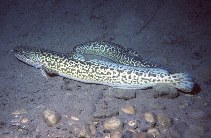 Lota lota
Εικόνα από Keeley, E.R.
Φωτογραφίες | Γραμματόσημα, νομίσματα, διάφορα. | Google image
Εικόνα από Keeley, E.R.
Ταξινόμηση / Ονόματα Κοινά ονόματα | Συνώνυμα | Catalog of Fishes(Γένος, Είδη) | ITIS | CoL | WoRMS | Cloffa
> Gadiformes (Cods) > Lotidae (Hakes and burbots)
Etymology: Lota: French name for the cod (Ref. 45335); lota: From the French word "la Lotte" meaning codfish (Ref. 10294).
More on author: Linnaeus.
Etymology: Lota: French name for the cod (Ref. 45335); lota: From the French word "la Lotte" meaning codfish (Ref. 10294).
More on author: Linnaeus.
Περιβάλλον: περιβάλλον / κλιματική ζώνη / εύρος βάθους / εύρος διανομής Οικολογία
; Γλυκού νερού; Υφάλμυρο βενθικό(ς); pH range: 7.5 - ? ; dH range: 18 - ?; ποταμόδρομος (Ref. 59043); εύρος βάθους 1 - 700 m (Ref. 1998). Temperate; 4°C - 18°C (Ref. 2059); 78°N - 40°N, 180°W - 180°E
Κατανομή Εδάφη | Περιοχές FAO | Οικοσυστήματα | Παρουσίες | Σημειακός χάρτης | Εισαγωγές | Faunafri
Circumarctic in freshwater (Ref. 1371). Europe: Loire drainage, France eastward to White, Barents and Arctic Sea basins; upper Volga drainage; western Caspian basin; rivers draining to Black Sea; Rhône drainage (France); in Italy native only in Po drainage; eastrward England (now extirpated). In Siberia eastward to River Lena. Reported that populations from eastern Siberia and North America belong to a different species, Lota maculosa (Ref. 59043). North America: Throughout Canada, Alaska and northern USA (south to Pennysylvannia, Kentucky, Missouri, Wyoming and Washington (Ref. 86798).
Μήκος κατά την πρώτη ωρίμανση / Μέγεθος / Βάρος / Ηλικία
Γεννητική Ωρίμανση: Lm 37.5, range 35 - 40 cm
Max length : 152 cm TL αρσενικό/απροσδιόριστο; (Ref. 27547); common length : 40.0 cm TL αρσενικό/απροσδιόριστο; (Ref. 1371); μεγ. δημοσιευμένο βάρος: 34.0 kg (Ref. 27547); μεγ. αναφερόμενη ηλικία: 20 έτη (Ref. 556)
Max length : 152 cm TL αρσενικό/απροσδιόριστο; (Ref. 27547); common length : 40.0 cm TL αρσενικό/απροσδιόριστο; (Ref. 1371); μεγ. δημοσιευμένο βάρος: 34.0 kg (Ref. 27547); μεγ. αναφερόμενη ηλικία: 20 έτη (Ref. 556)
Σύντομη περιγραφή Κλείδες προσδιορισμού | Μορφολογία | Μορφομετρία
Ραχιαίες άκανθες (συνολικά) : 0; Μαλακές ραχιαίες ακτίνες (συνολικά) : 67 - 96; Εδρικές άκανθες: 0; Μαλακές εδρικές ακτίνες: 58 - 84; Σπόνδυλοι: 50 - 67. Diagnosed from all other freshwater fishes in Europe by its pelvic fin origin anterior to pectoral fin origin and by having one central barbel on lower jaw (Ref. 59043). Distinguished by the long second dorsal fin, at least 6 times as long as the first, and a single barbel on the chin (Ref. 27547). Gill rakers short (Ref. 27547). First dorsal short; second dorsal and anal fins joined to caudal; pectorals short and rounded; caudal rounded (Ref. 27547), with 40 rays (Ref. 2196). Color is yellow, light tan to brown with a pattern of dark brown or black on the body, head and fins (Ref. 1371). Pelvic fins pale, others dark and mottled (Ref. 27547).
Body shape (shape guide): elongated; Cross section: circular.
Body shape (shape guide): elongated; Cross section: circular.
The only member of Lotidae family which lives in freshwater. Crepuscular and nocturnal (Ref. 11941). Adults are found in well oxygenated flowing waters and large, deep lakes as well as large rivers with slow-moving current (Ref. 5723, 10294). They occur from estuaries of large lowland rivers as well as from small mountain streams, preferring deep waters in summer (Ref. 59043). They seek shelter under rocks, in crevices on the river banks, among roots of trees and dense vegetation (Ref. 30578, 10294). Those in rivers tend to congregate in deep holes throughout the year, except at spawning (Ref. 27547). Movements into shallower water during summer nights are related to feeding (Ref. 1998). Smaller individuals feed on insect larvae, crayfish, mollusks and other invertebrates with a changing preference for fishes in larger individuals (Ref. 1998, 10294). In Central Europe, males mature at 2 years while females at 3 years (Ref. 59043). Spawning occurs from November to March, at temperatures below 6°C in groups of up to 20 interlaced individuals forming a ball about 60 cm in diameter which constantly move and roll on the bottom while releasing eggs and sperms (Ref. 59043). May undertake short spawning migrations (Ref. 59043). Eggs are semipelagic, 1.2-1.8 mm in diameter and slightly sticky hatching after 40-70 days (Ref. 59043). Larvae are positively phototactic, floating below the surface in March and April (Ref. 59043). Larvae feed on drifting invertebrates or zooplankton (Ref. 59043). Source of oil. Sold mainly salted. Liver is sold smoked or canned in Europe (Ref. 1998). Processed into fishmeal (Ref. 1998). Because of its nocturnal habits and its slow movements, this fish is not very much appreciated by sport fishermen. Flesh is tasty but a little dry (Ref. 30578). Locally threatened due to river regulation (Ref. 59043).
Κύκλος ζωής και συμπεριφορά ζευγαρώματος Γεννητική Ωρίμανση | Αναπαραγωγή | Γεννοβολία | Αβγά | Γονιμότητα | Προνύμφες
There appears to be individual movements into spawning areas with the males arriving first at spawning areas (Ref. 27547). It occurs at night, with spawners forming a great globular mass, each pushing toward the center (Ref. 28694), or at least milling around close together (Ref. 28697), releasing eggs or sperm. Observed to make postspawning runs upriver, apparently for feeding (Ref. 28697). Eggs hatch after 40-70 days. After about 2 months, juveniles are benthic, grow rapidly, reach about 8 cm SL within first year. (Ref. 59043).
Κύρια αναφορά
Ανεβάστε τις αναφορές σας | Αναφορές | Συντονιστής | Συνεργάτες
Cohen, D.M., T. Inada, T. Iwamoto and N. Scialabba, 1990. FAO species catalogue. Vol. 10. Gadiform fishes of the world (Order Gadiformes). An annotated and illustrated catalogue of cods, hakes, grenadiers and other gadiform fishes known to date. FAO Fish. Synop. 125(10). Rome: FAO. 442 p. (Ref. 1371)
Κατάσταση Κόκκινου Καταλόγου IUCN (Ref. 130435: Version 2025-2 (Global))
Least Concern (LC) ; Date assessed: 28 May 2022
CITES
Not Evaluated
Απειλή για τον άνθρωπο
Harmless
Ανθρώπινες χρήσεις
αλιεία: Εμπορικό(ά); Υδατοκαλλιέργειες: πειραματικό; αλιεία αναψυχής: ναί; Ενυδρείο: Δημόσια ενυδρεία
FAO - αλιεία: εκφορτώσεις, προφίλ του είδους; Publication: search | FishSource | Η θάλασσα γύρω μας
Περισσότερες πληροφορίες
Πληθυσμιακή δυναμική
Παράμετροι Αύξησης
Μέγιστες ηλικίες / μεγέθη
Μήκος-βάρος σχετ.
Μήκος-μήκος rel.
Μήκος-συχνότητες
Μετατροπή μάζας
Στρατολόγηση
Αφθονία
Παράμετροι Αύξησης
Μέγιστες ηλικίες / μεγέθη
Μήκος-βάρος σχετ.
Μήκος-μήκος rel.
Μήκος-συχνότητες
Μετατροπή μάζας
Στρατολόγηση
Αφθονία
Κύκλος ζωής
Αναπαραγωγή
Γεννητική Ωρίμανση
Ωριμότητα / Gills rel.
Γονιμότητα
Γεννοβολία
Συγκεντρώσεις αναπαραγωγής
Αβγά
Ανάπτυξη αυγών
Προνύμφες
Δυναμική προνυμφών
Αναπαραγωγή
Γεννητική Ωρίμανση
Ωριμότητα / Gills rel.
Γονιμότητα
Γεννοβολία
Συγκεντρώσεις αναπαραγωγής
Αβγά
Ανάπτυξη αυγών
Προνύμφες
Δυναμική προνυμφών
Φυσιολογία
Σύνθεση σώματος
Θρεπτικά συστατικά
Κατανάλωση οξυγόνου
Τύπος κολύμβησης
Ταχύτητα κολύμβησης
Οπτικές χρωστικές ουσίες
Ήχος ψαριών
Ασθένειες & παράσιτα
Τοξικότητα (LC50)
Σύνθεση σώματος
Θρεπτικά συστατικά
Κατανάλωση οξυγόνου
Τύπος κολύμβησης
Ταχύτητα κολύμβησης
Οπτικές χρωστικές ουσίες
Ήχος ψαριών
Ασθένειες & παράσιτα
Τοξικότητα (LC50)
Ανθρώπινη σχέση
Συστήματα υδατοκαλλιέργειας
Προφίλ υδατοκαλλιεργειών
Στελέχοι
Περιπτώσεις Ciguatera
Γραμματόσημα, νομίσματα, διάφορα.
Συστήματα υδατοκαλλιέργειας
Προφίλ υδατοκαλλιεργειών
Στελέχοι
Περιπτώσεις Ciguatera
Γραμματόσημα, νομίσματα, διάφορα.
Εργαλεία
Βιολογικό κουίζ | Ηλεκτρονικό βιβλίο | Οδηγός πεδίου | Κλείδες προσδιορισμού | Ανάλυση κατά μήκος συνθέσεων | Εργαλείο ιστορίας ζωής | Σημειακός χάρτης |
Catch-MSY |
Ειδικές εκθέσεις
Έλεγχος για συντήρηση ενυδρείου | Ελέγξτε για ενημερωτικά δελτία ειδών | Ελέγξτε για ενημερωτικά δελτία υδατοκαλλιέργειας
Λήψη XML
Διαδικτυακές πηγές
AFORO (otoliths) | Alien/Invasive Species database | Aquatic Commons | BHL | Cloffa | Websites from users | Check FishWatcher | CISTI | Catalog of Fishes: Γένος, Είδη | DiscoverLife | DORIS | ECOTOX | FAO - αλιεία: εκφορτώσεις, προφίλ του είδους; Publication: search | Faunafri | Fishipedia | Fishtrace | GloBI | Google Books | Google Scholar | Google | IGFA World Record | Εθνικές βάσεις δεδομένων | OneZoom | Open Tree of Life | Otolith Atlas of Taiwan Fishes | Δημόσια ενυδρεία | PubMed | Reef Life Survey | Socotra Atlas | TreeBase | Δέντρο Ζωής | Wikipedia: Go, αναζήτηση | World Records Freshwater Fishing | Zoological Record
Εκτιμήσεις βάσει μοντέλων
Δείκτης φυλογενετικής ποικιλότητας (Αναφ. 82804): PD50 = 1.0312 [Uniqueness, from 0.5 = low to 2.0 = high].
Bayesian length-weight: a=0.00537 (0.00441 - 0.00654), b=3.04 (2.98 - 3.10), in cm total length, based on LWR estimates for this species (Ref. 93245).
Τροφικό Επίπεδο (Αναφ. 69278): 3.8 ±0.2 se; based on diet studies.
Ελαστικότητα (Αναφ. 120179): Χαμηλό, ελάχιστος χρόνος για διπλασιασμό πληθυσμού 4,5 - 14 έτη (K=0.05; tm=2-7; tmax=20).
Θρεπτικά συστατικά (Ref. 124155): Calcium = 12.9 [7.2, 34.7] mg/100g; Iron = 0.259 [0.142, 0.500] mg/100g; Protein = 17.5 [16.2, 19.0] %; Omega3 = 0.382 [0.200, 0.694] g/100g; Selenium = 24.4 [8.5, 62.9] μg/100g; VitaminA = 4.33 [1.21, 18.17] μg/100g; Zinc = 0.671 [0.485, 0.920] mg/100g (wet weight); based on nutrient studies.