



Myliobatis hamlyni Ogilby, 1911
Purple eagle ray
ອັບໂຫລດຂອງທ່ານ ຮູບພາບ ແລະ ວິດີໂອ
ຮູບ | Google image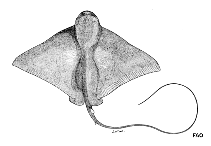 Myliobatis hamlyni
ຮູບພາບໂດຍ FAO
ຮູບ | Google image
ຮູບພາບໂດຍ FAO
ການຈັດປະເພດ / ຊື່ ຊື່ສາມັນ | ຄຳສັບຄ້າຍຄືກັນ | Catalog of Fishes(ຕະກຸນ, ຊະນິດ) | ITIS | CoL | WoRMS | Cloffa
ກຸ່ມປາກະດູກອ່ອນ (ເຊັ່ນ: ປາສະຫລາມ, ປາຜາໄລ) (sharks and rays) > Myliobatiformes (Stingrays) > Myliobatidae (Eagle and manta rays)
Etymology: Myliobatis: Greek, mylo = mill + Greek, + Greek, batis,-idos = a ray (Raja sp.) (Ref. 45335).
Eponymy: Dr Ronald Hamlyn-Harris (1874–1953) was an English-born entomologist. [...] (Ref. 128868), visit book page.
More on author: Ogilby.
Etymology: Myliobatis: Greek, mylo = mill + Greek, + Greek, batis,-idos = a ray (Raja sp.) (Ref. 45335).
Eponymy: Dr Ronald Hamlyn-Harris (1874–1953) was an English-born entomologist. [...] (Ref. 128868), visit book page.
More on author: Ogilby.
ສະພາບແວດລ້ອມ: ສະພາບແວດລ້ອມ / ເຂດດິນຟ້າອາກາດ / ລະດັບຄວາມເລິກ / ຂອບເຂດການແຈກຢາຍ ນິເວດວິທະຍາ
ສັດທະເລ ກ່ຽວກັບ (ຢູ່)ເທິງຊັ້ນພື້ນດິນໃນທະເລເປີດ; ລະດັບຄວາມເລິກ 200 - ? m (Ref. 6871). Deep-water; 17°S - 26°S
ການແຜ່ກະຈາຍ ອານາເຂດ | ເຂດ FAO | ລະບົບນິເວດ | ການປະກົດຕົວ | ຈຸດໃດໜຶ່ງທີ່ສະແດງອອກໃນແຜນທີ່ (ພ້ອມທັງສະແດງຂໍ້ມູນເພີ້ນເຕີມ) | ການແນະນຳ | Faunafri
Indo-West Pacific: patchy distribution, Austalia, Indonesia, the Philippines, Taiwan and Japan.
ຄວາມຍາວໃນການເຕີບໂຕເຕັມຄັ້ງທໍາອິດ / ຂະໜາດ / ນ້ຳໜັກ / ອາຍຸ
ຄຳອະທິບາຍສັ້ນໆ ຕົວທີ່ໃຊ້ໃນການຈຳແນກຊະນິດ | ສະລີລະວິທະຍາ | ການວັດແທກຮູບຮ່າງລັກສະນະພາຍນອກຂອງດິນ,ສັດ,ປາ…
ສັດທີ່ມີກະດູກສັນຫຼັງ: 114 - 119. This medium-sized Myliobatis species (attaining at least 114.2 cm DW) is distinguished by the following set of characters: dorsal surface uniformly purplish brown to greenish brown, without dark spots or blotches; tail with a distinct, low ventral skin fold; stinging spine(s) are relatively long (longest spine 13.1-15.9% DW); adult males with interorbital space moderately concave; anterior margins of pectoral fin is straight to slightly convex; cranial fontanelle (visible in dorsal view without dissection) is relatively wide with slightly convex lateral margins; claspers of adult males 5.5-5.7% DW; predorsal length 63.6-68.6% DW; each jaw with 7 rows of teeth, with a broad median row flanked by three smaller rows on each side; pectoral-fin radials 85-92 (excluding rostral propterygial radials anterior of eyes); total vertebral centra (including synarcual) 114-119; males mature at about 65.0 cm DW (Ref. 132213).
Cross section: flattened.
Cross section: flattened.
Common inshore and offshore, demersal in intertidal habitats to depths of at least 220 m (Ref. 58048); also in coral reefs (Ref. 58534). Diet unknown, but presumably consists primarily of bivalves and other bottom-dwelling invertebrates. Caught occasionally by inshore, demersal longline fisheries. Utilized for its meat and cartilage (Ref. 58048). Ovoviviparous (Ref. 50449).
ວົງຈອນຊີວິດ ແລະພຶດຕິກໍາການຫາຄູ່ ການຈະເລີນເຕັມໄວ | ການສືບພັນ | ການວາງໄຂ່ | ໄຂ່ | ຄວາມດົກຂອງໄຂ່ປາ | ຕົວອ່ອນ
Exhibit ovoviparity (aplacental viviparity), with embryos feeding initially on yolk, then receiving additional nourishment from the mother by indirect absorption of uterine fluid enriched with mucus, fat or protein through specialised structures (Ref. 50449).
ເອກະສານອ້າງອີງຫຼັກ
ອັບໂຫລດເອກະສານອ້າງອີງຂອງທ່ານ | ເອກະສານອ້າງອີງ | ຜູ້ປະສານງານ : McEachran, John | ຜູ້ຮ່ວມມື
White, W.T., J. Kawauchi, S. Corrigan, E. Rochel and G.J.P. Naylor, 2015. Redescription of the eagle rays Myliobatis hamlyni Ogilby, 1911 and M. tobijei Bleeker, 1854 (Myliobatiformes: Myliobatidae) from the east Indo-West Pacific. Zootaxa 3948(3):521-548. (Ref. 132213)
ສະຖານະພາບບັນຊີແດງຂອງ IUCN (Ref. 130435: Version 2025-2 (Global))
Near Threatened (NT) ; Date assessed: 17 February 2015
CITES
Not Evaluated
ໄພຂົ່ມຂູ່ຕໍ່ມະນຸດ
Harmless
ການນໍາໃຊ້ຂອງມະນຸດ
ການປະມົງ: ເປັນສີນຄ້າ
FAO - Publication: search | FishSource |
ຂໍ້ມູນຕື່ມອີກ
ນິເວດວິທະຍາເຂດຮ້ອນ
ລາຍການອາຫານ (ຜູ້ຖືກລ້າ)
ອົງປະກອບຂອງອາຫານ
ການບໍລິໂພກອາຫານ
ຄາບອາຫານ
ຜູ້ລ້າ
ລາຍການອາຫານ (ຜູ້ຖືກລ້າ)
ອົງປະກອບຂອງອາຫານ
ການບໍລິໂພກອາຫານ
ຄາບອາຫານ
ຜູ້ລ້າ
ນິເວດວິທະຍາ
ນິເວດວິທະຍາ
ນິເວດວິທະຍາ
ນະໂຍບາຍດ້ານປະຊາກອນ
ຕົວວັດແທກການເຕີບໃຫຍ່
ສູງສຸດ. ອາຍຸ / ຂະຫນາດ
ຄວາມຍາວ-ນ້ໍາຫນັກ rel.
ຄວາມຍາວ - ຄວາມຍາວ rel.
ຄວາມຖີ່ຄວາມຍາວ
ການແປງມະຫາຊົນ
ການທົດແທນທີ່
ຄວາມອຸດົມສົມບູນ
ຕົວວັດແທກການເຕີບໃຫຍ່
ສູງສຸດ. ອາຍຸ / ຂະຫນາດ
ຄວາມຍາວ-ນ້ໍາຫນັກ rel.
ຄວາມຍາວ - ຄວາມຍາວ rel.
ຄວາມຖີ່ຄວາມຍາວ
ການແປງມະຫາຊົນ
ການທົດແທນທີ່
ຄວາມອຸດົມສົມບູນ
ວົງຈອນຊີວິດ
ການສືບພັນ
ການຈະເລີນເຕັມໄວ
ການເຕີບໃຫຍ່ / Gills rel.
ຄວາມດົກຂອງໄຂ່ປາ
ການວາງໄຂ່
ການລວບລວມການວາງໄຂ່
ໄຂ່
ການພັດທະນາໄຂ່
ຕົວອ່ອນ
ການປ່ຽນແປງຂອງຕົວອ່ອນ
ການສືບພັນ
ການຈະເລີນເຕັມໄວ
ການເຕີບໃຫຍ່ / Gills rel.
ຄວາມດົກຂອງໄຂ່ປາ
ການວາງໄຂ່
ການລວບລວມການວາງໄຂ່
ໄຂ່
ການພັດທະນາໄຂ່
ຕົວອ່ອນ
ການປ່ຽນແປງຂອງຕົວອ່ອນ
ຮ່າງກາຍ
ເນື້ອທີ່ເຫືອກ
ສະໝອງ
ໂອໂຕລິດ
ເນື້ອທີ່ເຫືອກ
ສະໝອງ
ໂອໂຕລິດ
ຟີຊິກສາດ
ອົງປະກອບຂອງຮ່າງກາຍ
ທາດອາຫານ
ການບໍລິໂພກອົກຊີເຈນ
ປະເພດລອຍ
ຄວາມໄວໃນການລອຍ
ເມັດສີທີ່ເບິ່ງເຫັນ
ສຽງປາ
ພະຍາດ & ກາຝາກ
ຄວາມເປັນພິດ (LC50s)
ອົງປະກອບຂອງຮ່າງກາຍ
ທາດອາຫານ
ການບໍລິໂພກອົກຊີເຈນ
ປະເພດລອຍ
ຄວາມໄວໃນການລອຍ
ເມັດສີທີ່ເບິ່ງເຫັນ
ສຽງປາ
ພະຍາດ & ກາຝາກ
ຄວາມເປັນພິດ (LC50s)
ກຳມະພັນ
ພັນທຸ ກຳ
ກຳມະພັນ
Heterozygosity
ການຖ່າຍທອດທາງກຳມະພັນຈາກພໍ່ແມ່ຫາລູກ
ຄວາມຫຼາກຫຼາຍທາງພັນທຸກໍາ
ພັນທຸ ກຳ
ກຳມະພັນ
Heterozygosity
ການຖ່າຍທອດທາງກຳມະພັນຈາກພໍ່ແມ່ຫາລູກ
ຄວາມຫຼາກຫຼາຍທາງພັນທຸກໍາ
ມະນຸດທີ່ກ່ຽວຂ້ອງ
ລະບົບການລ້ຽງປາ
ຂໍ້ມູນການລ້ຽງສັດນ້ຳ
ສາຍພັນ
ກໍລະນີ Ciguatera
ສະແຕມ, ຫຼຽນ, ອື່ນໆ.
ລະບົບການລ້ຽງປາ
ຂໍ້ມູນການລ້ຽງສັດນ້ຳ
ສາຍພັນ
ກໍລະນີ Ciguatera
ສະແຕມ, ຫຼຽນ, ອື່ນໆ.
ເຄື່ອງມື
E-book | ຄູ່ມືພາກສະໜາມ | ຕົວທີ່ໃຊ້ໃນການຈຳແນກຊະນິດ | ຄວາມຖີ່ຂອງຄວາມຍາວປາ | ເຄື່ອງມືຂອງຊີວະປະຫວັດທາງດ້ານຊີວິດ | ຈຸດໃດໜຶ່ງທີ່ສະແດງອອກໃນແຜນທີ່ (ພ້ອມທັງສະແດງຂໍ້ມູນເພີ້ນເຕີມ) |
ຈັບ-MSY |
ບົດລາຍງານພິເສດ
ກວດສອບການບໍາລຸງຮັກສາຕູ້ປາ | ກວດເບິ່ງເອກະສານຄວາມຈິງຂອງຊະນິດ | ກວດເບິ່ງເອກະສານຄວາມເປັນຈິງການລ້ຽງສັດນ້ຳ
ດາວໂຫລດ XML
ແຫຼ່ງອີນເຕີເນັດ
AFORO (otoliths) | Aquatic Commons | BHL | Cloffa | Websites from users | Check FishWatcher | CISTI | Catalog of Fishes: ຕະກຸນ, ຊະນິດ | DiscoverLife | ECOTOX | FAO - Publication: search | Faunafri | Fishipedia | Fishtrace | GloBI | Google Books | Google Scholar | Google | IGFA World Record | ຖານຂໍ້ມູນແຫ່ງຊາດ | OneZoom | Open Tree of Life | Otolith Atlas of Taiwan Fishes | PubMed | Reef Life Survey | Socotra Atlas | TreeBase | ແຜນທີ່ສະແດງກິ່ງງ່າຂອງເຊື້ອຕະກຸນປາ, ສັດ ຈາກບັນພະບູລຸດຈົນເຖິງຫລານ | Wikipedia: Go, ຊອກຫາ | World Records Freshwater Fishing | Zoobank | ການບັນທຶກດ້ານສັດວິທະຍາ
ການຄາດຄະເນໂດຍອີງໃສ່ແບບຈໍາລອງ
ດັດຊະນີຄວາມຫຼາກຫຼາຍທາງຊີວະພາບ (ເອກະສານອ້າງອີງ 82804): PD50 = 0.5002 [Uniqueness, from 0.5 = low to 2.0 = high].
Bayesian length-weight: a=0.00389 (0.00124 - 0.01219), b=3.08 (2.83 - 3.33), in cm total length, based on LWR estimates for this (Sub)family-body shape (Ref. 93245).
ຊັ້ນເຂດຮ້ອນ (ເອກະສານອ້າງອີງ 69278): 3.4 ±0.4 se; based on size and trophs of closest relatives
ຄວາມຢືດຢຸ່ນ (ເອກະສານອ້າງອີງ 120179): ຕຳ່, ປະຊາກອນຕຳ່ສຸດທີ່ໃຊ້ເວລາສອງເທົ່າ 4.5 - 14 ປີ (Fec assumed to be <100).