



Alpinocottus poecilopus (Heckel, 1837)
Alpine bullhead
อัพโหลดของคุณ ภาพถ่าย และ วิดีโอ
รูปภาพหลายรูป | Google image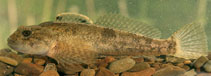 Alpinocottus poecilopus
ภาพโดย Sediva, A.
รูปภาพหลายรูป | Google image
ภาพโดย Sediva, A.
การจำแนกประเภท / ชื่อ ชื่อสามัญ | ชื่อพ้อง | Catalog of Fishes(สกุล, ชนิด) | ITIS | CoL | WoRMS | Cloffa
> Perciformes/Cottoidei (Sculpins) > Cottidae (Sculpins)
Etymology: Alpinocottus: Name from Latin words 'alpinus' for alpine or mountain and 'cottus' meaning sculpin; translation for 'Alpine sculpin', the common name of type species of this genus.
More on author: Heckel.
Etymology: Alpinocottus: Name from Latin words 'alpinus' for alpine or mountain and 'cottus' meaning sculpin; translation for 'Alpine sculpin', the common name of type species of this genus.
More on author: Heckel.
สิ่งแวดล้อม : สิ่งแวดล้อม / เขตภูมิอากาศ / ระดับความลึก / ระยะการกระจายสินค้า นิเวศวิทยา
; น้ำจืด; กร่อย สัตว์น้ำหน้าดิน; ระดับความลึก 0 - 15 m (Ref. 58496). Temperate; 72°N - 36°N, 10°E - 171°E
การแพร่กระจาย อาณาเขต | พื้นที่จำแนกตาม FAO | ระบบนิเวศหลายระบบ | การปรากฏขึ้น,การเกิดขึ้น,พบ | ตำแหน่งบนแผนที่ | การแนะนำ | Faunafri
Europe and Asia: Streams in Carpathians draining to Danube, Dniestr, Vistula and Odra. Baltic Sea basin, especially in northern Sweden and Finland between 64 and 68°N, central Finnish lakes area, a few streams in southern Finland and northern Poland, Lake Ladoga and southern Lake Onega basins, a few lakes in northern Germany (extirpated), Lake Hañcza in Poland and Skjernaa drainage in Denmark. In Siberia from River Ob eastward to River Lena. Absent in rivers draining to Baltic Sea south of Iijöki drainage in central Finland and in rivers draining to the White and Barents Seas. Cottus populations from the Kolyma, Amur and Korean drainages usually identified as Cottus poecilopus belong to a different species.
ความยาวเมื่อครบกำหนดครั้งแรก / ขนาด / น้ำหนัก / อายุ
วัยเจริญพันธุ์: Lm 9.0, range 4 - 10 cm
Max length : 15.0 cm SL เพศผู้/กระเทย; (Ref. 4698); common length : 11.8 cm TL เพศผู้/กระเทย; (Ref. 35840); อายุสูงสุดที่ได้รายงาน: 8 ปี (Ref. 4698)
Max length : 15.0 cm SL เพศผู้/กระเทย; (Ref. 4698); common length : 11.8 cm TL เพศผู้/กระเทย; (Ref. 35840); อายุสูงสุดที่ได้รายงาน: 8 ปี (Ref. 4698)
คำอธิบายสั้นๆ เครื่องมือที่ใช้ในการแยกชนิดสัตว์,สิ่งมีชีวิตออกจากกัน | สัณฐานวิทยา | ความยาวต่างๆ
ก้านครีบอ่อนที่ก้น: 13 - 15. Differs from all other species of Cottus in Europe by possessing spatulate prickles; pelvic-fin rays tessellated, with 5-15 distinct rows of spot, appearing as transverse bands; and 2 chin pores. Additional characters useful in the identification of this species include: lateral line clearly above midline of body (shared only with C. koshewnikowi); lateral line clearly above midline of body; lateral line incomplete, usually reaching to anal-fin base; and prickling restricted to body under pectoral fin (Ref. 55856).
Body shape (shape guide): elongated.
Body shape (shape guide): elongated.
Inhabits northern, and mountain and foothill streams, and oligotrophic lakes. Found in fast-flowing waters of coastal streams, rivers, inland lakes, usually on stony bottoms (Ref. 4698). Moves downstream to estuaries and tolerates brackish waters (Ref. 4698). Feeds on algae (diatoms, desmids, blue-green algae), polychaetes, crustaceans, aquatic insect larvae and nymphs (Ephemeroptera, Trichoptera, Plecoptera, Chironomidae), fish eggs and larvae.
วงจรชีวิตและพฤติกรรมการผสมพันธุ์ วัยเจริญพันธุ์ | การสืบพันธุ์ | การวางไข่ | เซลสืบพันธ์ของเพศเมีย(ไข่) | ความดกของไข่ | ตัวอ่อน
Females spawn onces a season. Most individuals spawn 2-3 seasons. They lay adhesive eggs in a compact clutch on ceiling of small cavities in gravel or rock bottom. Males guard eggs until hatching. males may guard egg clutches of several females. (Ref.59043).
อ้างอิงหลัก
อัพโหลดข้อมูลอ้างอิงของคุณ | อ้างอิง | ผู้ประสานงาน | ผู้ร่วมมือ
Freyhof, J., M. Kottelat and A. Nolte, 2005. Taxonomic diversity of European Cottus with description of eight new species (Teleostei: Cottidae). Ichthyol. Explor. Freshwat. 16(2):107-172. (Ref. 55856)
สถานะบัญชีแดงของ IUCN (Ref. 130435: Version 2025-2 (Global))
Least Concern (LC) ; Date assessed: 02 August 2023
CITES
Not Evaluated
ภัยคุกคามต่อมนุษย์
Harmless
การใช้ของมนุษย์
เหยื่อ: usually
FAO - Publication: search | FishSource |
ข้อมูลเพิ่มเติม
พลวัตของประชากร
พารามิเตอร์การเจริญเติบโต
อายุสูงสุด / ขนาด
ความยาว-น้ำหนักสัมพันธ์
ความยาว-ความยาวสัมพันธ์
ความยาว-ความถี่
การแปลงมวล
การทดแทนที่
อุดมสมบรูณ์
พารามิเตอร์การเจริญเติบโต
อายุสูงสุด / ขนาด
ความยาว-น้ำหนักสัมพันธ์
ความยาว-ความยาวสัมพันธ์
ความยาว-ความถี่
การแปลงมวล
การทดแทนที่
อุดมสมบรูณ์
วงจรชีวิต
การสืบพันธุ์
วัยเจริญพันธุ์
ความสมบูรณ์พันธุ์/เหงือกที่เกี่ยวข้อง
ความดกของไข่
การวางไข่
การรวมตัวของสปอน
เซลสืบพันธ์ของเพศเมีย(ไข่)
การพัฒนาไข่
ตัวอ่อน
พลวัตของสัตว์น้ำวัยอ่อน
การสืบพันธุ์
วัยเจริญพันธุ์
ความสมบูรณ์พันธุ์/เหงือกที่เกี่ยวข้อง
ความดกของไข่
การวางไข่
การรวมตัวของสปอน
เซลสืบพันธ์ของเพศเมีย(ไข่)
การพัฒนาไข่
ตัวอ่อน
พลวัตของสัตว์น้ำวัยอ่อน
การแพร่กระจาย
อาณาเขต
พื้นที่จำแนกตาม FAO
ระบบนิเวศหลายระบบ
การปรากฏขึ้น,การเกิดขึ้น,พบ
การแนะนำ
BRUVS - วิดีโอ
อาณาเขต
พื้นที่จำแนกตาม FAO
ระบบนิเวศหลายระบบ
การปรากฏขึ้น,การเกิดขึ้น,พบ
การแนะนำ
BRUVS - วิดีโอ
กายวิภาคศาสตร์
พื้นที่เหงือก
สมอง
หินโสต
พื้นที่เหงือก
สมอง
หินโสต
สรีรวิทยา
องค์ประกอบของร่างกาย
สารอาหาร
การใช้ออกซิเจน
ประเภทการว่ายน้ำ
ระดับความเร็วในการว่ายน้ำ
เม็ดสีที่มองเห็นได้
เสียงปลา
โรคและปรสิต
ความเป็นพิษ (LC50s)
องค์ประกอบของร่างกาย
สารอาหาร
การใช้ออกซิเจน
ประเภทการว่ายน้ำ
ระดับความเร็วในการว่ายน้ำ
เม็ดสีที่มองเห็นได้
เสียงปลา
โรคและปรสิต
ความเป็นพิษ (LC50s)
เกี่ยวข้องกับมนุษย์
ระบบการเพาะเลี้ยงสัตว์น้ำ
ประวัติการเพาะเลี้ยงสัตว์น้ำ
สายพันธุ์
กรณีซิเกวเทอรา
แสตมป์ เหรียญ อื่นๆ
ระบบการเพาะเลี้ยงสัตว์น้ำ
ประวัติการเพาะเลี้ยงสัตว์น้ำ
สายพันธุ์
กรณีซิเกวเทอรา
แสตมป์ เหรียญ อื่นๆ
เครื่องมือ
แบบทดสอบชีววิทยา | หนังสืออิเล็กทรอนิกส์ | คู่มือภาคสนาม | ผู้มีความชำนาญในเรื่องความถี่ของความยาว | เครื่องมือในการศึกษาชีวประวัติ | ตำแหน่งบนแผนที่ |
จับ-MSY |
รายงานพิเศษ
ตรวจสอบการบำรุงรักษาตู้ปลา | ตรวจสอบเอกสารข้อเท็จจริงเกี่ยวกับสายพันธุ์ | ตรวจสอบเอกสารข้อเท็จจริงเกี่ยวกับการเพาะเลี้ยงสัตว์น้ำ
ดาวน์โหลด XML
หน้าสรุป | ข้อมูลสำคัญ | ชื่อสามัญ | ภาพถ่าย
แหล่งที่มาจากอินเตอร์เน็ต
AFORO (otoliths) | Alien/Invasive Species database | Aquatic Commons | BHL | Cloffa | Websites from users | Check FishWatcher | CISTI | Catalog of Fishes: สกุล, ชนิด | DiscoverLife | ECOTOX | FAO - Publication: search | Faunafri | Fishipedia | Fishtrace | GloBI | Google Books | Google Scholar | Google | IGFA World Record | ฐานข้อมูลแห่งชาติ | OneZoom | Open Tree of Life | Otolith Atlas of Taiwan Fishes | PubMed | Reef Life Survey | Socotra Atlas | TreeBase | แผนภูมิชีวิตแบบต้นไม้ | Wikipedia: Go, ค้นหา | World Records Freshwater Fishing | บันทึกทางด้านสัตววิทยา
การประมาณค่าตามแบบจำลอง
ดัชนีความหลากหลายทางวิวัฒนาการ (อ้างอิง 82804): PD50 = 0.7500 [Uniqueness, from 0.5 = low to 2.0 = high].
Bayesian length-weight: a=0.00692 (0.00404 - 0.01184), b=3.13 (2.98 - 3.28), in cm total length, based on LWR estimates for this species & (Sub)family-body (Ref. 93245).
ระดับชั้นอาหาร (อ้างอิง 69278): 3.0 ±0.34 se; based on food items.
Generation time: 4.7 ( na - na) years. Estimated as median ln(3)/K based on 2 growth studies.
ความสามารถในการกลับคืนสู่ปกติ (อ้างอิง 120179): ขนาดกลาง, เวลาต่ำสุดที่จะทำให้ประชากรเพิ่มขึ้นเป็น 2 เท่าใช้เวลา 1.4 - 4.4 ปี (tmax=8).