This website uses cookies to enhance your browsing experience and ensure the functionality of our site. For more detailed information about the types of cookies we use and how we protect your privacy, please visit our Privacy Information page.
×
Cookie Settings
This website uses different types of cookies to enhance your experience. Please select your preferences below:
> Blenniiformes (Blennies) > Blenniidae (Combtooth blennies) > Blenniinae
Etymology: Salariopsis:The suffix -opsis, from the ancient Greek 'view, appearance', is added to the epithet "Salaria" to highlight its apparent, but misleading, morphological similarity to the blenniid genus Salaria Forsskål, 1775 (Ref. 128181).
Africa, Europe: Africa: Rivers and brooks in Morocc and Algeria flowing to the Mediterranean; including Israel. Europe: Portugal (Ref. 13612), Spain, France, Italy, Croatia, Montenegro, Albania , Greece (Ref. 26100). Asia: Turkey.
ຂະໜາດ / ນ້ຳໜັກ / ອາຍຸ
ການຈະເລີນເຕັມໄວ: Lm? range ? - ? cm Max length : 15.4 cm TL ຕົວຜູ້/ບໍ່ມີເພດ; (Ref. 95757); common length : 8.0 cm TL ຕົວຜູ້/ບໍ່ມີເພດ; (Ref. 556); ອາຍຸສູງສຸດທີ່ເຄຍລາຍງານມາ: 5 ປີ (Ref. 59043)
ຄີ (ໜາມ)ແຂງຢູ່ຫຼັງປາ (ທັງໝົດ) : 12 - 13; ຄີຫຼັງຂອງປາ (ຄີອ່ອນ) (ທັງໝົດ) : 16 - 17; ຄີ(ໜາມ) ແຂງຢູ່ຄີກົ້ນປາ
ກຸ່ມປາກະດູກແຂງ
ຄວາມຖີ່ຂອງກຸ່ມຖ່າຍທອດພັນ
ປາທີ່ມີການເຄື່ອນຍ້າຍຈາກທະເລໄປຫານ້ຳຈືດ ແລະນ້ຳຈືດຫາທະເລ
ປາທີ່ມີການເຄື່ອນຍ້າຍຈາກທະເລແລະໄປໄຂ່ຢູ່ນ້ຳຈືດ
ຄີກົ້ນຂອງປາ
ສັດທີ່ມີກະດູກສັນຫັຼງ
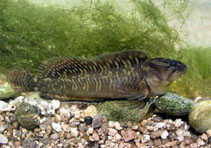
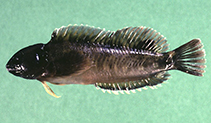
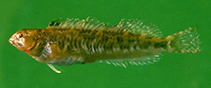
ການຖ່າຍທອດທາງກຳມະພັນຈາກພໍ່ແມ່ຫາລູກ: 2; ຄີກົ້ນຂອງປາ: 16 - 19; ສັດທີ່ມີກະດູກສັນຫຼັງ: 36. Diagnosis: This species is distinguished from its congeners in European inland waters by the following combination of characters: a broad diagonal band of tiny dots running from eye backward and downward; branched cirrus above eye; head length 25-31% SL; upper jaw with 16-24 teeth, lower jaw with 16-20; A II,16-19; D XII-XIII,16-17 (Ref. 59043). Body shape (shape guide): fusiform / normal.
Facultative air-breathing in the genus (Ref. 126274); Adults occur in rivers and brooks (Ref. 4342), in relatively shallow water as well as in low altitude lakes (Ref. 30578), on stone bottom; in streams, deepest and fastest microhabitats are preferred and sometimes coastal lagoons with low salinity (Ref. 59043). Reported from marine environment (Ref. 58342). A territorial species that lives up to 5 years (Ref. 59043). Adults feed on small benthic organisms, aquatic insects and pupae (Ref. 94105). Oviparous (Ref. 205). Females spawn for the first time at the end of the first year and spawning lasts up to 3 years but with most females dying at the end of the first spawning year. One female spawns up to 1,200 eggs (usually 200-300) in a single layer under a large stone; spawns several egg portions during the season. On the other hand, the males clean, fan and defend the eggs until hatching. Several females may spawn with one male, which may guard the eggs at different stages of development (Ref. 59043). Eggs are demersal and adhesive; eggs hatch in about a week (Ref. 205, 59043). Planktonic larvae until about 1.5 cm, are drifted to and remain in quiet pools or side arms of rivers (Ref. 59043). Populations are threatened due to pollution and water abstraction (Ref. 26100); most riverine populations affected by habitat alteration (especially siltation and alteration of stream morphology), and predation of exotic species. Presence of habitat suitable for the pelagic 'larval' stage downstream of spawning sites is a limiting factor; lacustrine population are apparently safer (Ref. 59043).
Produces 200-300 eggs (Ref. 1672). Paternal care (Ref. 4342). Male cleans, fans and defends eggs until hatching. Several females spawn with one male, which may guard eggs at different stages of development. Eggs hatch in about a week (Ref.59043).
Bath, H., 1986. Blenniidae. p. 355-357. In J. Daget, J.-P. Gosse and D.F.E. Thys van den Audenaerde (eds.) Check-list of the freshwater fishes of Africa (CLOFFA). ISNB, Brussels, MRAC, Tervuren; and ORSTOM, Paris. Vol. 2. (Ref. 4342)
ສະຖານະພາບບັນຊີແດງຂອງ IUCN (Ref. 130435: Version 2025-2 (Global))