



مشاهدات خود را اضافه کنيد در Fish Watcher
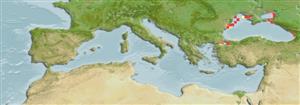
| Native range | All suitable habitat | Point map | Year 2050 |
|
| This map was computer-generated and has not yet been reviewed. |
| Alosa tanaica AquaMaps Data sources: GBIF OBIS |
را بارگذاری کني تصاوير و فيلم ها
عکس ها | تصوير گوگل Alosa tanaica
عکس از Otel, V.
عکس ها | تصوير گوگل
عکس از Otel, V.
رده بندی / نامها اسامي عام | مترادف | Catalog of Fishes(جنس, گونه ها) | ITIS | CoL | WoRMS | Cloffa
> Clupeiformes (Herrings) > Alosidae (Shads and Sardines)
Etymology: Alosa: Latin, alausa = a fish cited by Ausonius and Latin, halec = pickle, dealing with the Greek word hals = salt; it is also the old Saxon name for shad = "alli" ; 1591 (Ref. 45335).
Eponymy: This is a toponym referring to Tana or Tanais, the medieval trading city on the Sea of Azov, where it occurs. (Ref. 128868), visit book page.
Etymology: Alosa: Latin, alausa = a fish cited by Ausonius and Latin, halec = pickle, dealing with the Greek word hals = salt; it is also the old Saxon name for shad = "alli" ; 1591 (Ref. 45335).
Eponymy: This is a toponym referring to Tana or Tanais, the medieval trading city on the Sea of Azov, where it occurs. (Ref. 128868), visit book page.
محیط زیست: محیط زیست / منطقه آب و هوایی / تغييرات عمق / محدوده توزیع بوم شناسي
دريايي; آب شيرين; لب شور pelagic-neritic; رود کوچ (Ref. 138126); تغييرات عمق 50 - 70 m (Ref. 59043). Temperate; 48°N - 40°N, 26°E - 44°E
پراكنش سرزمینها | مناطق سازمان خوار و بار جهاني (FAO) | اکوسیستمها | ظهور | نقشه نقطه ای | معرفي | Faunafri
Eurasia: Black Sea and Sea of Azov from where adults ascend rivers, migrating a short distance upstream to spawn.
اندازه / وزن / سن
بلوغ: Lm ? range ? - ? cm
Max length : 30.0 cm TL جنس نر / بدون خواص جنسي; (Ref. 96734); بيشينه وزن گزارش شده: 59.00 g (Ref. 593)
Max length : 30.0 cm TL جنس نر / بدون خواص جنسي; (Ref. 96734); بيشينه وزن گزارش شده: 59.00 g (Ref. 593)
توصيف مختصر كليدهاي شناسايي | ريخت شناسي | ريخت ستجي بوسيله انداره گيري
Distinguished from its congeners entering freshwater in Black Sea basins by having 66-96 gill rakers, longer than branchial filaments and poorly-developed teeth on palatine and vomer (Ref. 59043).
Body shape (shape guide): fusiform / normal.
Body shape (shape guide): fusiform / normal.
This species migrates from sea to mouth and lower reaches of large rivers (at 1-2 years) and spawns in fresh or slightly brackish water, usually close to the shore, upper 2-4 m, in almost still water bodies as flood plains or lakes. Many individuals spawn 2-4 seasons and spawners appear along the coast in late January to March, enter rivers when temperature reaches about 10°C in late April to May, and spawns at about 15°C or beyond in May to June. Eggs are bathypelagic or sink to bottom. Spent fish migrate to estuarine and coastal lagoons or to sea near river mouths to feed and in autumn, move to sea near river mouths to overwinter. Juveniles migrate to sea or estuaries during first summer and remain there until maturity. At sea, feeds on a wide variety of zooplankton (crustaceans), insect larvae and small fish. Populations seem to have stabilized at moderate level after most have declined during the first decades of 20th century due to water pollution. In northern Black Sea, immediate impact is foreseen due to the decline in habitat quality in suitable estuarine ecosystems. On the other hand, the species is still abundant in Azov Sea basin (Ref. 59043).
چرخه زندگی و رفتار جفتگیری بلوغ | تولید مثل | تخم ریزی | تخم ها | باروری | توزاد ( لارو)
Juveniles migrate to sea or estuaries during their first summer, remaining there until they mature. After 1-2 years, they migrate upriver to breed. Spawners appear along the coast in late January-March, enter rivers when temperature reaches about 10°C, in late April and May. Spawning occurs from May to June on or above 15°C. Spent individuals migrate to estuaries and coastal lagoons or to sea near river mouths to feed. In autumn, they move to the sea to overwinter (Ref. 59043).
مآخذ اصلی
مراجع خود را بارگذاری کنید | مراجع | هماهنگ كننده | همكاران
Berg, L.S., 1962. Freshwater fishes of the U.S.S.R. and adjacent countries. volume 1, 4th edition. Israel Program for Scientific Translations Ltd, Jerusalem. (Russian version published 1948). (Ref. 593)
وضعيت در فهرست قرمز IUCN (Ref. 130435: Version 2025-2 (Global))
حداقل نگرانی (LC) ; Date assessed: 03 May 2022
CITES
Not Evaluated
خطر برای انسان ها
Harmless
استفاده انسانی
ماهي گيري – شيلات: تجاري
FAO - Publication: search | FishSource |
اطلاعات بيشتر
بوم شناسي
بوم شناسي
بوم شناسي
پویایی جمعیت
پارامترهای رشد
حداکثر سن/اندازه
نسبت طول-وزن.
طول-طول نسبی.
نوسانات طولی
تبدیل انبوه
بازسازی
فراواني
پارامترهای رشد
حداکثر سن/اندازه
نسبت طول-وزن.
طول-طول نسبی.
نوسانات طولی
تبدیل انبوه
بازسازی
فراواني
آناتومی
منطقه آبششي
مغز
اتولیت
منطقه آبششي
مغز
اتولیت
فیزیولوژی
ترکیب بدن
مواد مغذی
مصرف اکسیژن
نوع شنا
سرعت شنا
رنگدانههای بصری
صدای ماهی
بیماریها و انگلها
سمیت (LC50s)
ترکیب بدن
مواد مغذی
مصرف اکسیژن
نوع شنا
سرعت شنا
رنگدانههای بصری
صدای ماهی
بیماریها و انگلها
سمیت (LC50s)
ژنتيك
ژنوم
ژنتيك
هتروزیگوسیتی
وارث
تنوع ژنتیکی
ژنوم
ژنتيك
هتروزیگوسیتی
وارث
تنوع ژنتیکی
مرتبط با انسان
سیستمهای آبزیپروری
نمايه هاي آبزي پروري
نژادها
موارد سیگواترا
تمبر، سکه، متفرقه.
سیستمهای آبزیپروری
نمايه هاي آبزي پروري
نژادها
موارد سیگواترا
تمبر، سکه، متفرقه.
ابزارها
کتاب الکترونیکی | راهنماي صحرايي | امكان نرم افزاري بسامد طولي | ابزار تاريخ زيستي | نقشه نقطه ای |
گرفتن-MSY |
گزارش های ويژه
راجع به نگهداری آکواريم ملاحظه کنيد | برگه اطلاعات و مشخصات گونه ها را ملاحظه کنيد | برگه اطلاعات و مشخصات آبزی پروری را ببينيد
بارگيری XML
منابع اينترنتي
AFORO (otoliths) | Aquatic Commons | BHL | Cloffa | Websites from users | فيش واچر را ببينيد | CISTI | Catalog of Fishes: جنس, گونه ها | DiscoverLife | ECOTOX | FAO - Publication: search | Faunafri | Fishipedia | Fishtrace | GloBI | Google Books | Google Scholar | Google | IGFA World Record | پايگاه هاي داده ها | OneZoom | Open Tree of Life | Otolith Atlas of Taiwan Fishes | PubMed | Reef Life Survey | Socotra Atlas | TreeBase | Tree of Life | Wikipedia: برو, جستجو | | سوابق جانورشناسی
تخمینها بر اساس مدلها
|
شاخص تنوع فیلوژنتیکی (مرجع 82804) |
PD50 = 0.5000 [Uniqueness, from 0.5 = low to 2.0 = high]. |
| Bayesian length-weight | a=0.00646 (0.00431 - 0.00968), b=3.11 (2.99 - 3.23), in cm total length, based on LWR estimates for this species & Genus-body shape (Ref. 93245). |
|
سطح تروفیک (مرجع 69278) |
3.7 ±0.4 se; based on size and trophs of closest relatives |
|
جهندگی (مرجع 120179) |
متوسط, كمينه زمان لازم براي دو برابر شدن جمعيت 4/1 – 4/4 سال (Preliminary K or Fecundity.). |
|
آسیبپذیری ماهیگیری (Ref. 59153) |
Low to moderate vulnerability (31 of 100). 🛈 |
|
طبقه قيمت (Ref. 80766) |
Low. |