



Lates calcarifer (Bloch, 1790)
Barramundi
เพิ่มการสังเกตของคุณใน Fish Watcher
| Native range | All suitable habitat | Point map | Year 2050 |
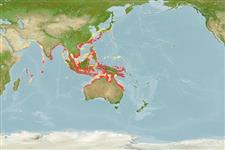
|
| This map was computer-generated and has not yet been reviewed. |
| Lates calcarifer AquaMaps Data sources: GBIF OBIS |
อัพโหลดของคุณ ภาพถ่าย และ วิดีโอ
รูปภาพหลายรูป | แสตมป์ เหรียญ อื่นๆ | Google image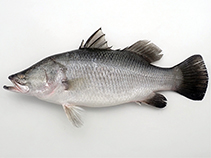 Lates calcarifer
ภาพโดย Lai, N.-W.
รูปภาพหลายรูป | แสตมป์ เหรียญ อื่นๆ | Google image
ภาพโดย Lai, N.-W.
การจำแนกประเภท / ชื่อ ชื่อสามัญ | ชื่อพ้อง | Catalog of Fishes(สกุล, ชนิด) | ITIS | CoL | WoRMS | Cloffa
> Carangaria/misc (Various families in series Carangaria) > Latidae (Lates perches)
Etymology: Lates: Latin, lateo, latere = to be hidden.
More on author: Bloch.
Etymology: Lates: Latin, lateo, latere = to be hidden.
More on author: Bloch.
สิ่งแวดล้อม : สิ่งแวดล้อม / เขตภูมิอากาศ / ระดับความลึก / ระยะการกระจายสินค้า นิเวศวิทยา
เกี่ยวกับทะเล,น้ำเค็ม; น้ำจืด; กร่อย สัตว์น้ำหน้าดิน; ปลาที่อพยพจากแหล่งน้ำจืดไปวางไข่ในน้ำเค็ม (Ref. 138269); ระดับความลึก 10 - 40 m (Ref. 7261). Tropical; 15°C - 28°C (Ref. 2060); 49°N - 26°S, 56°E - 155°E (Ref. 54239)
การแพร่กระจาย อาณาเขต | พื้นที่จำแนกตาม FAO | ระบบนิเวศหลายระบบ | การปรากฏขึ้น,การเกิดขึ้น,พบ | ตำแหน่งบนแผนที่ | การแนะนำ | Faunafri
Indo-West Pacific: eastern edge of the Persian Gulf to China, Taiwan and southern Japan, southward to southern Papua New Guinea and northern Australia.
ความยาวเมื่อครบกำหนดครั้งแรก / ขนาด / น้ำหนัก / อายุ
วัยเจริญพันธุ์: Lm 44.5, range 29 - 60 cm
Max length : 200 cm TL เพศผู้/กระเทย; (Ref. 7050); common length : 150 cm NG เพศผู้/กระเทย; (Ref. 9799); น้ำหนักสูงสุดที่มีการรายงาน: 60.0 kg (Ref. 28138); อายุสูงสุดที่ได้รายงาน: 35 ปี (Ref. 125591)
Max length : 200 cm TL เพศผู้/กระเทย; (Ref. 7050); common length : 150 cm NG เพศผู้/กระเทย; (Ref. 9799); น้ำหนักสูงสุดที่มีการรายงาน: 60.0 kg (Ref. 28138); อายุสูงสุดที่ได้รายงาน: 35 ปี (Ref. 125591)
คำอธิบายสั้นๆ เครื่องมือที่ใช้ในการแยกชนิดสัตว์,สิ่งมีชีวิตออกจากกัน | สัณฐานวิทยา | ความยาวต่างๆ
เงี่ยงครีบหลัง (รวม) : 7 - 9; ก้านครีบอ่อนที่หาง (รวม) : 10 - 11; เงี่ยงครีบก้น: 3; ก้านครีบอ่อนที่ก้น: 7 - 8. Body elongate; mouth large, slightly oblique, upper jaw extending behind the eye. Lower edge of preopercle serrated, with strong spine at its angle; opercle with a small spine and with a serrated flap above the origin of the lateral line. Caudal fin rounded.
Body shape (shape guide): fusiform / normal; Cross section: compressed.
Body shape (shape guide): fusiform / normal; Cross section: compressed.
Found in coastal waters, estuaries and lagoons, in clear to turbid water (Ref. 5259, 44894). A diadromous fish, inhabiting rivers before returning to the estuaries to spawn. A protandrous hermaphrodite (Ref. 32209). Larvae and young juveniles live in brackish temporary swamps associated with estuaries, and older juveniles inhabit the upper reaches of rivers (Ref. 6390, 44894). Have preference for cover on undercut banks, submerged logs and overhanging vegetation (Ref. 44894). Feed on fishes and crustaceans. They reach 1500-3000 g in one year in ponds under optimum conditions (Ref. 11046, 44894). Juveniles also eat insects (Ref. 44894). Sold fresh and frozen; consumed steamed, pan-fried, broiled and baked (Ref. 9987). A very popular and sought-after fish of very considerable economic importance (Ref. 9799). Presently used for aquaculture in Thailand, Indonesia and Australia (Ref. 9799). Australia's most important commercial fish and one of the most popular angling species (Ref. 44894).
วงจรชีวิตและพฤติกรรมการผสมพันธุ์ วัยเจริญพันธุ์ | การสืบพันธุ์ | การวางไข่ | เซลสืบพันธ์ของเพศเมีย(ไข่) | ความดกของไข่ | ตัวอ่อน
Breed in estuaries throughout the Indo-Pacific. Maturing male barramundi migrate downstream from freshwater habitats at the start of the wet (monsoon) season to spawn with resident females in estuaries (Ref. 27132) and on tidal flats outside the mouths of rivers (Ref. 6390).
Barramundi spawn on the full moon and new moon, primarily at the beginning of an incoming tide which carries the eggs into the estuary (Ref. 28135).
Barramundi are broadcast spawners that aggregate to spawn (Ref. 6390). Spawning aggregations occur in or around the mouths of rivers (Ref. 28132). While adults and juveniles are capable of living in fresh water, brackish waters are required for embryonic development (Ref. 6136). Female barramundi are capable of producing large numbers of eggs, with estimates as high as 2.3 million eggs per kg of body weight (Ref. 28134).
Barramundi are protandrous hermaphrodites, i.e., they undergo sex reversion during their life cycle. Females are generally absent in the smaller length classes, but dominate larger length classes. Most barramundi mature first as males and function as males for one or more spawning seasons before undergoing sex inversion. A few females will develop directly from immature fish (Ref. 28132). Similarly, some males may never undergo sex inversion (Ref. 28132). Also Ref. 103751.
อ้างอิงหลัก
อัพโหลดข้อมูลอ้างอิงของคุณ | อ้างอิง | ผู้ประสานงาน | ผู้ร่วมมือ
Larson, H., 1999. Order Perciformes. Suborder Percoidei. Centropomidae. Sea perches. p. 2429-2432. In K.E. Carpenter and V.H. Niem (eds.) FAO species identification guide for fishery purposes. The living marine resources of the Western Central Pacific. Volume 4. Bony fishes part 2 (Mugilidae to Carangidae). FAO, Rome. (Ref. 9799)
สถานะบัญชีแดงของ IUCN (Ref. 130435: Version 2025-2 (Global))
Least Concern (LC) ; Date assessed: 15 February 2019
CITES
Not Evaluated
ภัยคุกคามต่อมนุษย์
Harmless
การใช้ของมนุษย์
การประมง: เน้นการพาณิชย์; การเพาะเลี้ยงสัตว์น้ำ: การค้า; การตกปลาเป็นกีฬา: ใช่; สถานที่แสดงสัตว์และพืชน้ำ: สถานแสดงสัตว์น้ำของรัฐ
FAO - ระบบการเพาะเลี้ยงสัตว์น้ำ: โปรไฟล์สายพันธุ์, production search; การประมง: โปรไฟล์สายพันธุ์, landings search; Publication: search | FishSource | ทะเลรอบๆเรา
ข้อมูลเพิ่มเติม
พลวัตของประชากร
พารามิเตอร์การเจริญเติบโต
อายุสูงสุด / ขนาด
ความยาว-น้ำหนักสัมพันธ์
ความยาว-ความยาวสัมพันธ์
ความยาว-ความถี่
การแปลงมวล
การทดแทนที่
อุดมสมบรูณ์
พารามิเตอร์การเจริญเติบโต
อายุสูงสุด / ขนาด
ความยาว-น้ำหนักสัมพันธ์
ความยาว-ความยาวสัมพันธ์
ความยาว-ความถี่
การแปลงมวล
การทดแทนที่
อุดมสมบรูณ์
วงจรชีวิต
การสืบพันธุ์
วัยเจริญพันธุ์
ความสมบูรณ์พันธุ์/เหงือกที่เกี่ยวข้อง
ความดกของไข่
การวางไข่
การรวมตัวของสปอน
เซลสืบพันธ์ของเพศเมีย(ไข่)
การพัฒนาไข่
ตัวอ่อน
พลวัตของสัตว์น้ำวัยอ่อน
การสืบพันธุ์
วัยเจริญพันธุ์
ความสมบูรณ์พันธุ์/เหงือกที่เกี่ยวข้อง
ความดกของไข่
การวางไข่
การรวมตัวของสปอน
เซลสืบพันธ์ของเพศเมีย(ไข่)
การพัฒนาไข่
ตัวอ่อน
พลวัตของสัตว์น้ำวัยอ่อน
การแพร่กระจาย
อาณาเขต
พื้นที่จำแนกตาม FAO
ระบบนิเวศหลายระบบ
การปรากฏขึ้น,การเกิดขึ้น,พบ
การแนะนำ
BRUVS - วิดีโอ
อาณาเขต
พื้นที่จำแนกตาม FAO
ระบบนิเวศหลายระบบ
การปรากฏขึ้น,การเกิดขึ้น,พบ
การแนะนำ
BRUVS - วิดีโอ
กายวิภาคศาสตร์
พื้นที่เหงือก
สมอง
หินโสต
พื้นที่เหงือก
สมอง
หินโสต
สรีรวิทยา
องค์ประกอบของร่างกาย
สารอาหาร
การใช้ออกซิเจน
ประเภทการว่ายน้ำ
ระดับความเร็วในการว่ายน้ำ
เม็ดสีที่มองเห็นได้
เสียงปลา
โรคและปรสิต
ความเป็นพิษ (LC50s)
องค์ประกอบของร่างกาย
สารอาหาร
การใช้ออกซิเจน
ประเภทการว่ายน้ำ
ระดับความเร็วในการว่ายน้ำ
เม็ดสีที่มองเห็นได้
เสียงปลา
โรคและปรสิต
ความเป็นพิษ (LC50s)
เกี่ยวข้องกับมนุษย์
ระบบการเพาะเลี้ยงสัตว์น้ำ
ประวัติการเพาะเลี้ยงสัตว์น้ำ
สายพันธุ์
กรณีซิเกวเทอรา
แสตมป์ เหรียญ อื่นๆ
ระบบการเพาะเลี้ยงสัตว์น้ำ
ประวัติการเพาะเลี้ยงสัตว์น้ำ
สายพันธุ์
กรณีซิเกวเทอรา
แสตมป์ เหรียญ อื่นๆ
เครื่องมือ
หนังสืออิเล็กทรอนิกส์ | คู่มือภาคสนาม | เครื่องมือที่ใช้ในการแยกชนิดสัตว์,สิ่งมีชีวิตออกจากกัน | ผู้มีความชำนาญในเรื่องความถี่ของความยาว | เครื่องมือในการศึกษาชีวประวัติ | ตำแหน่งบนแผนที่ |
จับ-MSY |
รายงานพิเศษ
ตรวจสอบการบำรุงรักษาตู้ปลา | ตรวจสอบเอกสารข้อเท็จจริงเกี่ยวกับสายพันธุ์ | ตรวจสอบเอกสารข้อเท็จจริงเกี่ยวกับการเพาะเลี้ยงสัตว์น้ำ
ดาวน์โหลด XML
หน้าสรุป | ข้อมูลสำคัญ | ชื่อสามัญ | ภาพถ่าย
แหล่งที่มาจากอินเตอร์เน็ต
AFORO (otoliths) | Alien/Invasive Species database | Aquatic Commons | BHL | Cloffa | Websites from users | Check FishWatcher | CISTI | Catalog of Fishes: สกุล, ชนิด | DiscoverLife | ECOTOX | FAO - ระบบการเพาะเลี้ยงสัตว์น้ำ: โปรไฟล์สายพันธุ์, production search; การประมง: โปรไฟล์สายพันธุ์, landings search; Publication: search | Faunafri | Fishipedia | Fishtrace | GloBI | Google Books | Google Scholar | Google | IGFA World Record | ฐานข้อมูลแห่งชาติ | OneZoom | Open Tree of Life | Otolith Atlas of Taiwan Fishes | PubMed | Reef Life Survey | Socotra Atlas | TreeBase | แผนภูมิชีวิตแบบต้นไม้ | Wikipedia: Go, ค้นหา | | บันทึกทางด้านสัตววิทยา
การประมาณค่าตามแบบจำลอง
|
ดัชนีความหลากหลายทางวิวัฒนาการ (อ้างอิง 82804) |
PD50 = 0.5005 [Uniqueness, from 0.5 = low to 2.0 = high]. |
| Bayesian length-weight | a=0.00977 (0.00619 - 0.01542), b=3.00 (2.86 - 3.14), in cm total length, based on LWR estimates for this species & Genus-body shape (Ref. 93245). |
|
ระดับชั้นอาหาร (อ้างอิง 69278) |
3.8 ±0.60 se; based on food items. |
|
ความสามารถในการกลับคืนสู่ปกติ (อ้างอิง 120179) |
ขนาดกลาง, เวลาต่ำสุดที่จะทำให้ประชากรเพิ่มขึ้นเป็น 2 เท่าใช้เวลา 1.4 - 4.4 ปี (K=0.09-0.13; tm=1-5; Fec = 15,300,000). |
| Rate of population increase | Prior r = 0.52, 95% CL = 0.34 - 0.77, Based on 3 full stock assessments. |
|
ความเสี่ยงต่อการตกปลา (Ref. 59153) |
High to very high vulnerability (69 of 100). 🛈 |
|
ความเสี่ยงต่อสภาพภูมิอากาศ (Ref. 125649) |
High to very high vulnerability (72 of 100). 🛈 |
|
หมวดหมู่ราคา (Ref. 80766) |
Very high. |
|
สารอาหาร (Ref. 124155) |
Calcium = 115 [26, 284] mg/100g; Iron = 1 [0, 2] mg/100g; Protein = 19.6 [18.2, 21.1] %; Omega3 = 0.187 [0.117, 0.295] g/100g; Selenium = 144 [50, 373] μg/100g; VitaminA = 7.36 [2.09, 30.74] μg/100g; Zinc = 0.84 [0.34, 1.90] mg/100g (wet weight); based on nutrient studies. |