



Plecoglossus altivelis (Temminck & Schlegel, 1846)
Ayu sweetfish
เพิ่มการสังเกตของคุณใน Fish Watcher
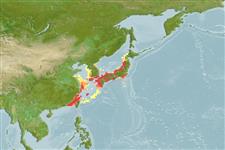
| Native range | All suitable habitat | Point map | Year 2050 |
|
| This map was computer-generated and has not yet been reviewed. |
| Plecoglossus altivelis AquaMaps Data sources: GBIF OBIS |
อัพโหลดของคุณ ภาพถ่าย และ วิดีโอ
รูปภาพหลายรูป | แสตมป์ เหรียญ อื่นๆ | Google image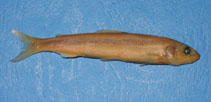 Plecoglossus altivelis
ภาพโดย Islam, Md. S.
รูปภาพหลายรูป | แสตมป์ เหรียญ อื่นๆ | Google image
ภาพโดย Islam, Md. S.
การจำแนกประเภท / ชื่อ ชื่อสามัญ | ชื่อพ้อง | Catalog of Fishes(สกุล, ชนิด) | ITIS | CoL | WoRMS | Cloffa
> Osmeriformes (Freshwater smelts) > Plecoglossidae (Ayu fish)
Etymology: Plecoglossus: Greek, pleko, plekein = to fold + Greek, glossa = tongue (Ref. 45335).
More on authors: Temminck & Schlegel.
Etymology: Plecoglossus: Greek, pleko, plekein = to fold + Greek, glossa = tongue (Ref. 45335).
More on authors: Temminck & Schlegel.
Taxonomic Remarks
All subspecies of Plecoglossus altivelis (Temminck & Schlegel, 1846) are synonymised under the species in Eschmeyer (CofF ver. Jul. 2010: Ref. 84883). Please send references, or more studies are needed.
สิ่งแวดล้อม : สิ่งแวดล้อม / เขตภูมิอากาศ / ระดับความลึก / ระยะการกระจายสินค้า นิเวศวิทยา
เกี่ยวกับทะเล,น้ำเค็ม; น้ำจืด; กร่อย สัตว์น้ำหน้าดิน; สัตว์น้ำที่อพยพไปๆมาๆ ระหว่างแหล่งน้ำจืดกับทะเล ที่เป็นไปตามช่วงชีวิต (Ref. 138124); ระดับความลึก 10 - ? m. Subtropical; 44°N - 23°N
การแพร่กระจาย อาณาเขต | พื้นที่จำแนกตาม FAO | ระบบนิเวศหลายระบบ | การปรากฏขึ้น,การเกิดขึ้น,พบ | ตำแหน่งบนแผนที่ | การแนะนำ | Faunafri
Northwest Pacific: western Hokkaido in Japan southward to the Korean Peninsula, Taiwan and China.
ความยาวเมื่อครบกำหนดครั้งแรก / ขนาด / น้ำหนัก / อายุ
วัยเจริญพันธุ์: Lm 27.5, range 30 - 40 cm
Max length : 70.0 cm TL เพศผู้/กระเทย; (Ref. 12218); common length : 15.0 cm SL เพศผู้/กระเทย; (Ref. 35840); อายุสูงสุดที่ได้รายงาน: 3.00 ปี (Ref. 12218)
Max length : 70.0 cm TL เพศผู้/กระเทย; (Ref. 12218); common length : 15.0 cm SL เพศผู้/กระเทย; (Ref. 35840); อายุสูงสุดที่ได้รายงาน: 3.00 ปี (Ref. 12218)
คำอธิบายสั้นๆ เครื่องมือที่ใช้ในการแยกชนิดสัตว์,สิ่งมีชีวิตออกจากกัน | สัณฐานวิทยา | ความยาวต่างๆ
เงี่ยงครีบหลัง (รวม) : 0; ก้านครีบอ่อนที่หาง (รวม) : 10 - 11; ก้านครีบอ่อนที่ก้น: 14 - 15; สัตว์มีกระดูกสันหลัง: 60 - 63. Pyloric caeca 350-400.
Body shape (shape guide): elongated.
Body shape (shape guide): elongated.
Typical amphidromous fish; appears in near shore from late autumn to spring (Ref. 11230). Found in lakes and rivers, preferring clean river water and can be found the entire river long, from the head to the mouth (Ref. 12218). Ascends the river during March when the temperature is around 10°C (Ref. 12218). Adults spawn in the spring, in the lower reaches of rivers. After spawning, some adults die while others return to the sea. Larvae enter the sea immediately after hatching and remain there during winter, feeding on plankton. In springtime, the young (5-7 cm TL) move upstream to the middle reaches of rivers to feed on algae. Fish (about 6-9 cm) start schooling at the river mouth and are insectivores and eat algae
off small pebbles (Ref. 12218); this is assisted by small leaf-like teeth which are loosely attached to the jaw with two ligaments (Ref. 45181). Those that are ready to spawn (about 20 cm TL) move downstream to the lower reaches of the river. Spawning adults from the sea migrate upstream to the lower reaches as well. Some fish spawn two or three years in succession, others only once (Ref. 9987 & 559). River forms live usually only one year whereas lake forms can live two or three years (Ref. 12218). Reaches maturity at 30-40 cm (Ref. 12218). Highly esteemed food fish. Marketed fresh and consumed fresh, fried and broiled (Ref. 9987).
วงจรชีวิตและพฤติกรรมการผสมพันธุ์ วัยเจริญพันธุ์ | การสืบพันธุ์ | การวางไข่ | เซลสืบพันธ์ของเพศเมีย(ไข่) | ความดกของไข่ | ตัวอ่อน
During spawning some fish go up the river and some fish spawn on the river shoreline above pebbles. Spawns at night and excavates a 10cm (diameter or depth?) pit. Eggs are around 1 mm in size and adhere to the sand or pebbles for 14 to 20 days before hatching. This fish is semelparous and releases eggs many times over a short period each time releasing ~10,000 eggs. Sometimes females that want to spawn but cannot, save their strength, and go to a deep stagnant pool. These females wait until spring before going up the river with young fish. After hatching, the larvae are 6 mm and flow with the water current eating plankton. Juvenile fish will come again to the river in spring. These live in schools. When schools of Plecoglossus altivelis return to their river they guard their territory and eat food (Ref. 12218).
Reproductive mode varies between semelparity and iteroparity. Large females spawn once, while smaller females spawn twice during a two-week interval (Ref. 76896).
อ้างอิงหลัก
อัพโหลดข้อมูลอ้างอิงของคุณ | อ้างอิง | ผู้ประสานงาน | ผู้ร่วมมือ
Masuda, H., K. Amaoka, C. Araga, T. Uyeno and T. Yoshino, 1984. The fishes of the Japanese Archipelago. Vol. 1. Tokai University Press, Tokyo, Japan. 437 p. (text). (Ref. 559)
สถานะบัญชีแดงของ IUCN (Ref. 130435: Version 2025-2 (Global))
Data deficient (DD) ; Date assessed: 03 September 2010
CITES
Not Evaluated
ภัยคุกคามต่อมนุษย์
Harmless
การใช้ของมนุษย์
การประมง: เน้นการพาณิชย์; การเพาะเลี้ยงสัตว์น้ำ: การค้า; การตกปลาเป็นกีฬา: ใช่
FAO - ระบบการเพาะเลี้ยงสัตว์น้ำ: การผลิต; การประมง: การลงจอด, โปรไฟล์สายพันธุ์; Publication: search | FishSource | ทะเลรอบๆเรา
ข้อมูลเพิ่มเติม
พลวัตของประชากร
พารามิเตอร์การเจริญเติบโต
อายุสูงสุด / ขนาด
ความยาว-น้ำหนักสัมพันธ์
ความยาว-ความยาวสัมพันธ์
ความยาว-ความถี่
การแปลงมวล
การทดแทนที่
อุดมสมบรูณ์
พารามิเตอร์การเจริญเติบโต
อายุสูงสุด / ขนาด
ความยาว-น้ำหนักสัมพันธ์
ความยาว-ความยาวสัมพันธ์
ความยาว-ความถี่
การแปลงมวล
การทดแทนที่
อุดมสมบรูณ์
วงจรชีวิต
การสืบพันธุ์
วัยเจริญพันธุ์
ความสมบูรณ์พันธุ์/เหงือกที่เกี่ยวข้อง
ความดกของไข่
การวางไข่
การรวมตัวของสปอน
เซลสืบพันธ์ของเพศเมีย(ไข่)
การพัฒนาไข่
ตัวอ่อน
พลวัตของสัตว์น้ำวัยอ่อน
การสืบพันธุ์
วัยเจริญพันธุ์
ความสมบูรณ์พันธุ์/เหงือกที่เกี่ยวข้อง
ความดกของไข่
การวางไข่
การรวมตัวของสปอน
เซลสืบพันธ์ของเพศเมีย(ไข่)
การพัฒนาไข่
ตัวอ่อน
พลวัตของสัตว์น้ำวัยอ่อน
การแพร่กระจาย
อาณาเขต
พื้นที่จำแนกตาม FAO
ระบบนิเวศหลายระบบ
การปรากฏขึ้น,การเกิดขึ้น,พบ
การแนะนำ
BRUVS - วิดีโอ
อาณาเขต
พื้นที่จำแนกตาม FAO
ระบบนิเวศหลายระบบ
การปรากฏขึ้น,การเกิดขึ้น,พบ
การแนะนำ
BRUVS - วิดีโอ
กายวิภาคศาสตร์
พื้นที่เหงือก
สมอง
หินโสต
พื้นที่เหงือก
สมอง
หินโสต
สรีรวิทยา
องค์ประกอบของร่างกาย
สารอาหาร
การใช้ออกซิเจน
ประเภทการว่ายน้ำ
ระดับความเร็วในการว่ายน้ำ
เม็ดสีที่มองเห็นได้
เสียงปลา
โรคและปรสิต
ความเป็นพิษ (LC50s)
องค์ประกอบของร่างกาย
สารอาหาร
การใช้ออกซิเจน
ประเภทการว่ายน้ำ
ระดับความเร็วในการว่ายน้ำ
เม็ดสีที่มองเห็นได้
เสียงปลา
โรคและปรสิต
ความเป็นพิษ (LC50s)
เกี่ยวข้องกับมนุษย์
ระบบการเพาะเลี้ยงสัตว์น้ำ
ประวัติการเพาะเลี้ยงสัตว์น้ำ
สายพันธุ์
กรณีซิเกวเทอรา
แสตมป์ เหรียญ อื่นๆ
ระบบการเพาะเลี้ยงสัตว์น้ำ
ประวัติการเพาะเลี้ยงสัตว์น้ำ
สายพันธุ์
กรณีซิเกวเทอรา
แสตมป์ เหรียญ อื่นๆ
เครื่องมือ
หนังสืออิเล็กทรอนิกส์ | คู่มือภาคสนาม | ผู้มีความชำนาญในเรื่องความถี่ของความยาว | เครื่องมือในการศึกษาชีวประวัติ | ตำแหน่งบนแผนที่ |
จับ-MSY |
รายงานพิเศษ
ตรวจสอบการบำรุงรักษาตู้ปลา | ตรวจสอบเอกสารข้อเท็จจริงเกี่ยวกับสายพันธุ์ | ตรวจสอบเอกสารข้อเท็จจริงเกี่ยวกับการเพาะเลี้ยงสัตว์น้ำ
ดาวน์โหลด XML
หน้าสรุป | ข้อมูลสำคัญ | ชื่อสามัญ | ภาพถ่าย
แหล่งที่มาจากอินเตอร์เน็ต
AFORO (otoliths) | Alien/Invasive Species database | Aquatic Commons | BHL | Cloffa | Websites from users | Check FishWatcher | CISTI | Catalog of Fishes: สกุล, ชนิด | DiscoverLife | ECOTOX | FAO - ระบบการเพาะเลี้ยงสัตว์น้ำ: การผลิต; การประมง: การลงจอด, โปรไฟล์สายพันธุ์; Publication: search | Faunafri | Fishipedia | Fishtrace | GloBI | Google Books | Google Scholar | Google | IGFA World Record | ฐานข้อมูลแห่งชาติ | OneZoom | Open Tree of Life | Otolith Atlas of Taiwan Fishes | PubMed | Reef Life Survey | Socotra Atlas | TreeBase | แผนภูมิชีวิตแบบต้นไม้ | Wikipedia: Go, ค้นหา | World Records Freshwater Fishing | บันทึกทางด้านสัตววิทยา
การประมาณค่าตามแบบจำลอง
อุณหภูมิที่ต้องการ (อ้างอิง 123201): 13 - 22.6, mean 19.7 °C (based on 42 cells).
ดัชนีความหลากหลายทางวิวัฒนาการ (อ้างอิง 82804): PD50 = 1.5000 [Uniqueness, from 0.5 = low to 2.0 = high].
Bayesian length-weight: a=0.00427 (0.00165 - 0.01101), b=3.07 (2.84 - 3.30), in cm total length, based on LWR estimates for this (Sub)family-body shape (Ref. 93245).
ระดับชั้นอาหาร (อ้างอิง 69278): 2.8 ±0.16 se; based on food items.
ความสามารถในการกลับคืนสู่ปกติ (อ้างอิง 120179): ความสูง, เวลาต่ำสุดที่จะทำให้ประชากรเพิ่มขึ้นเป็น 2 เท่าใช้เวลาน้อยกว่า 15 เดือน (tm=1; tmax=3; Fec=50,000-100,000).
สารอาหาร (Ref. 124155): Calcium = 78 [36, 203] mg/100g; Iron = 1.19 [0.62, 2.98] mg/100g; Protein = 16.2 [13.8, 18.2] %; Omega3 = 0.445 [0.196, 1.234] g/100g; Selenium = 73.2 [35.2, 156.1] μg/100g; VitaminA = 4.44 [1.39, 14.45] μg/100g; Zinc = 0.804 [0.513, 1.253] mg/100g (wet weight);