



Nematalosa erebi (Günther, 1868)
Australian river gizzard shad
ارفع صور و مقاطع فيديو
صور | صور قوقل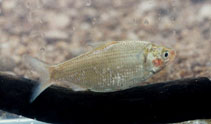 Nematalosa erebi
Juvenile صورة بواسطة Aland, G.
صور | صور قوقل
Juvenile صورة بواسطة Aland, G.
التصنيف / الأسماء الأسماء الشائعة | مرادفات | Catalog of Fishes(جنس, الانواع) | ITIS | CoL | WoRMS | Cloffa
> Clupeiformes (Herrings) > Dorosomatidae (Gizzard shads and sardinellas)
Etymology: Nematalosa: Greek, nema, -atos = filament + Latin, alausa = a fish cited by Ausonius and Latin, halec = pickle, dealing with the Greek word hals = salt; it is also the old Saxon name for shad = "alli" ; 1591 (Ref. 45335).
Eponymy: ‘HMS Erebus’ was a British warship used in surveying and exploring and from which the holotype was collected. (Ref. 128868), visit book page.
More on author: Günther.
Etymology: Nematalosa: Greek, nema, -atos = filament + Latin, alausa = a fish cited by Ausonius and Latin, halec = pickle, dealing with the Greek word hals = salt; it is also the old Saxon name for shad = "alli" ; 1591 (Ref. 45335).
Eponymy: ‘HMS Erebus’ was a British warship used in surveying and exploring and from which the holotype was collected. (Ref. 128868), visit book page.
More on author: Günther.
البيئة: الوسط / المنطقة المناخية / نطاق العمق / نطاق التوزيع البيئة
; المياه العذبة; مياه مخلوطة محيطي; سمكة نهرية (Ref. 51243); نطاق العمق 0 - 3 m (Ref. 6390). Subtropical; 15°C - 25°C (Ref. 2060); 11°S - 37°S
التوزيع الأقاليم | مناطق الفاو | النظام البيئي | الظهور | نقطة علي الخريطة | مقدمة | Faunafri
Oceania and Asia: Rivers of Australia and southwestern Papua New Guinea (from Fortescue River near Dampier Archipelago in Western Australia, eastward in rivers through the Northern Territory and Queensland south to the Murray-Darling system; also the Finke River, affluent to Lake Eyre; Bensbach River (Ref. 6993) and Digoel River in New Guinea.
الطول عند النضج الأول / الحجم / وزن / العمر
وصف مختصر مفاتيح التعريف | الوصف الخارجي | قياسات المظهر الخارجي
الأشواك الظهرية (المجموع) : 0; شوكة شرجية: 0; أشعه شرجية لينه: 17 - 26. Belly with 14 to 18 (usually 16 to 17) - 11 to 14 (usually 12 or 13), total 25 to 31 (usually 20 to 30) scutes. Anterior arm of pre-operculum with fleshy triangular area above, not covered by third infra-orbital bone (see N. come). Edge of lower jaw strongly flared outward. Pectoral axillary scale rudimentary or absent. Hind edge of scales not toothed. A dark spot behind gill opening.
Body shape (shape guide): fusiform / normal; Cross section: compressed.
Body shape (shape guide): fusiform / normal; Cross section: compressed.
Occur often far up rivers, but also in estuaries and in Lakes Alexandrina and Albert near mouth of a river (Ref. 188). Most commonly inhabit streams coursing through relatively dry eucalyptus-scrub or desert areas, preferring sluggish or quiet waters (Ref. 5259, 44894). Also found in saline lakes (slightly less salty than sea water). Tolerant of water temperatures between 9° and 38°C and pH 4.8-8.6. Although these fish have a wide tolerance of temperature and pH, they are susceptible to oxygen depletion and are usually the first to perish when ephemeral habitats begin to dry up. Common length is 15-20 cm (Ref. 44894). Frequently noted in large shoals that feed on benthic algae; also feed on insects and small crustaceans. Spawning may occur repeatedly in the north with a peak during the wet season; probably annual in the south (Ref. 5259, 44894).
دورة الحياة وسلوك التزاوج النضج | التكاثر | وضع البيض | بيض | الخصوبة | اليرقات
In more northerly part of its range, spawning may take place several times over the year but is probably annual in southern localities.
المرجع الرئيسي
قم بتحميل مراجعك | مراجع | المنظم | المتعاونين
Whitehead, P.J.P., 1985. FAO Species Catalogue. Vol. 7. Clupeoid fishes of the world (suborder Clupeoidei). An annotated and illustrated catalogue of the herrings, sardines, pilchards, sprats, shads, anchovies and wolf-herrings. FAO Fish. Synop. 125(7/1):1-303. Rome: FAO. (Ref. 188)
حالة القائمة الحمراء للاتحاد الدولي لحفظ الطبيعة والموارد الطبيعية (Ref. 130435: Version 2025-2 (Global))
Least Concern (LC) ; Date assessed: 14 February 2019
CITES
Not Evaluated
خطر للأنسان
Harmless (Ref. 6390)
استخدامات بشرية
مصائد: تجاري; طعم: usually
FAO - Publication: search | FishSource |
مزيد من المعلومات
علم البيئة الغذائية
المواد الغذائية (الفرائس)
التركيبة الغذائية
استهلاك الأغذية
الحصص الغذائية
مفتريسات
المواد الغذائية (الفرائس)
التركيبة الغذائية
استهلاك الأغذية
الحصص الغذائية
مفتريسات
الديناميكيات السكانية
معاملات النمو
الحد الأقصى للأعمار/الأحجام
علاقة الطول بالوزن.
علاقة الطول بالطول.
الطول- الترددات
التحويل الجماعي
توظيف
الوفرة
معاملات النمو
الحد الأقصى للأعمار/الأحجام
علاقة الطول بالوزن.
علاقة الطول بالطول.
الطول- الترددات
التحويل الجماعي
توظيف
الوفرة
التشريح
منطقة الخياشيم
الدماغ
الأوتوليث
منطقة الخياشيم
الدماغ
الأوتوليث
علم وظائف الأعضاء
تكوين الجسم
المغذيات
استهلاك الأوكسجين
نوع السباحة
سرعة السباحة
الأصباغ البصرية
صوت السمك
الأمراض والطفيليات
السمية (LC50s)
تكوين الجسم
المغذيات
استهلاك الأوكسجين
نوع السباحة
سرعة السباحة
الأصباغ البصرية
صوت السمك
الأمراض والطفيليات
السمية (LC50s)
جيني
الوراثة
جيني
التغاير
التوريث
التنوع الوراثي
الوراثة
جيني
التغاير
التوريث
التنوع الوراثي
ذات الصلة بالبشر
أنظمة الاستزراع المائي
ملامح تربية الأحياء المائية
سلالات
حالات سيغواتيرا
طوابع بريدية وعملات معدنية ومتنوعة
أنظمة الاستزراع المائي
ملامح تربية الأحياء المائية
سلالات
حالات سيغواتيرا
طوابع بريدية وعملات معدنية ومتنوعة
أدوات
كتاب إلكتروني | دليل الميدان | مفاتيح التعريف | معالج تردد الطول-التردد | أداة تاريخ الحياة | نقطة علي الخريطة |
Catch-MSY |
تقارير خاصة
البحث عن صيانت الأحواض المائيه | التحقق من وجود صفحات حقائق الأنواع | البحث عنا حقائق حول الأحواض المائيه
تنزيل XML
مصادر علي الأنترنت
AFORO (otoliths) | Aquatic Commons | BHL | Cloffa | Websites from users | البحث في مراقبي الأسماك | CISTI | Catalog of Fishes: جنس, الانواع | DiscoverLife | ECOTOX | FAO - Publication: search | Faunafri | Fishipedia | Fishtrace | GloBI | Google Books | Google Scholar | Google | IGFA World Record | OneZoom | Open Tree of Life | Otolith Atlas of Taiwan Fishes | PubMed | Reef Life Survey | Socotra Atlas | TreeBase | شجرة الحياة | Wikipedia: ذهب, بحث | World Records Freshwater Fishing | سجلات علم الحيوانات
تقديرات تستند إلى النماذج
مؤشر التنوع الشُعبي الوراثي (مرجع 82804): PD50 = 0.5005 [Uniqueness, from 0.5 = low to 2.0 = high].
Bayesian length-weight: a=0.00708 (0.00406 - 0.01233), b=2.99 (2.84 - 3.14), in cm total length, based on LWR estimates for this species & (Sub)family-body (Ref. 93245).
مستوى غذائي (مرجع 69278): 2.8 ±0.29 se; based on food items.
Generation time: 4.1 ( na - na) years. Estimated as median ln(3)/K based on 2 growth studies.
المرونه (مرجع 120179): وسيط, الحد الزمني الأدني لتضاعف عدد أفراد المجتمع 1.4-4.4 سنة (tm=2; tmax=10; Fec=33,000).