



إضافة ملاحظاتك Fish Watcher
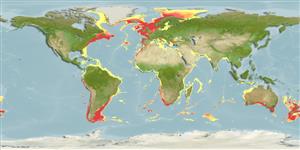
| Native range | All suitable habitat | Point map | Year 2050 |
|
| This map was computer-generated and has not yet been reviewed. |
| Squalus acanthias AquaMaps Data sources: GBIF OBIS |
ارفع صور و مقاطع فيديو
صور | اصوات | طوابع بريدية وعملات معدنية ومتنوعة | صور قوقل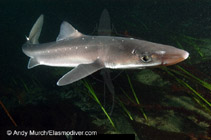 Squalus acanthias
صورة بواسطة Murch, A.
صور | اصوات | طوابع بريدية وعملات معدنية ومتنوعة | صور قوقل
صورة بواسطة Murch, A.
التصنيف / الأسماء الأسماء الشائعة | مرادفات | Catalog of Fishes(جنس, الانواع) | ITIS | CoL | WoRMS | Cloffa
أشلاق (القروش و الشفانين) (sharks and rays) > Squaliformes (Sleeper and dogfish sharks) > Squalidae (Dogfish sharks)
Etymology: Squalus: Genus name from Latin 'squalus' meaning shark (Ref. 6885, 27436); acanthias: Genus name from the Latin 'squalus' meaning shark; species name from the Greek 'akanthias' referring to the spines (Ref. 6885, 27436).
More on author: Linnaeus.
Etymology: Squalus: Genus name from Latin 'squalus' meaning shark (Ref. 6885, 27436); acanthias: Genus name from the Latin 'squalus' meaning shark; species name from the Greek 'akanthias' referring to the spines (Ref. 6885, 27436).
More on author: Linnaeus.
Taxonomic Remarks
Squalus suckleyi (Girard, 1855) has been resurected by Ebert et al. (2010: Ref. 85328) in the North Pacific where it replaces Squalus acanthias Linnaeus, 1758.
البيئة: الوسط / المنطقة المناخية / نطاق العمق / نطاق التوزيع البيئة
بحري; مياه مخلوطة قاعية المعيشة; محيطية (Ref. 138310); نطاق العمق 0 - 1978 m (Ref. 125614), usually 50 - 300 m (Ref. 43939). Temperate; 7°C - 15°C (Ref. 247); 78°N - 57°S, 82°W - 171°W (Ref. 247)
التوزيع الأقاليم | مناطق الفاو | النظام البيئي | الظهور | نقطة علي الخريطة | مقدمة | Faunafri
Circumglobal (boreal and temperate); except in the North Pacific (Ref. 119696), where all records refer to Squalus suckleyi (Girard, 1855) (Ref. 85328).
الطول عند النضج الأول / الحجم / وزن / العمر
النضج: Lm 80.9, range 69 - 100 cm
Max length : 160 cm TL ذكر/ مختلط الجنس; (Ref. 119696); 122.0 cm (female); common length : 100.0 cm TL ذكر/ مختلط الجنس; (Ref. ); أعلا وزن تم نشرة: 9.1 kg (Ref. 11389); العمر: 75 سنين (Ref. 39247)
Max length : 160 cm TL ذكر/ مختلط الجنس; (Ref. 119696); 122.0 cm (female); common length : 100.0 cm TL ذكر/ مختلط الجنس; (Ref. ); أعلا وزن تم نشرة: 9.1 kg (Ref. 11389); العمر: 75 سنين (Ref. 39247)
وصف مختصر مفاتيح التعريف | الوصف الخارجي | قياسات المظهر الخارجي
الأشواك الظهرية (المجموع) : 2; شوكة شرجية: 0; فقرات: 101 - 109. This moderately sized species is distinguished by the following set of characters: very slender body, abdomen width 7.2-9.2% TL; narrow head, width at mouth 7.9-10.2% TL; mouth width 1.7-2.2 times its horizontal prenarial length; moderately long snout, preoral length 2.2-2.5 times horizontal prenarial length, 8.5-9.8% TL; single-lobed anterior nasal flap; small dorsal fins, raked, first dorsal-fin height 1.1-1.3 times its inner margin length, second dorsal-fin height 0.7-0.9 times its inner margin length; origin of first dorsal-fin located just posterior to pectoral-fin free rear tips; exposed bases of dorsal-fin spines relatively narrow, 0.4-0.7% TL; short spine of first dorsal fin, exposed length 1.7-2.7% TL; pectoral-fin anterior margin 1.9-3.1 times its inner margin length; preventral caudal margin 1.9-2.6 times inner margin of pelvic fin; pale caudal fin with poorly demarcated, whitish margin, blackish caudal blotch at the apex of upper lobe, anterior margins of both lobes whitish in juveniles; dark caudal bar absent; dorsal and lateral surfaces of body bluish grey with an irregular array of moderately-large white spots; whitish ventrally; flank denticles tricuspid; monospondylous centra 41-45, precaudal centra 74-79, total centra 100-105 (Ref. 58446).
Body shape (shape guide): elongated; Cross section: compressed.
Body shape (shape guide): elongated; Cross section: compressed.
Possibly the most abundant living shark (Ref. 247). A demersal, inshore and offshore dogfish of the continental and insular shelf and upper slopes (Ref. 247, 11230, 119696). Usually near the bottom, but also in midwater and at the surface (Ref. 26346). Adults occur mainly between 10-200 m depth (Ref. 247). Males and gravid females usually found shallower than non-gravid females. They tolerate brackish water, often found in enclosed bays and estuaries. Reported to enter freshwater (Ref. 11980) but cannot survive there for more than a few hours (Ref. 247). Highly migratory species, used to be observed in large foraging schools with up to thousands of individuals, usually segregated by size and /or sex, with schools of large gravid females preferentially targeted by fisheries. Their latitudinal (north-south) and depth-related (nearshore-offshore) movements appear to be correlated with their preferred temperature (Ref. 247). Tagging experiments showed that populations in the northern North Sea and northwest Scotland made winter migrations to off Norway and summer migrations to Scotland (Ref. 88880, 88881). Transoceanic migrations recorded, but rare (Ref. 88864). Longevity in the northern Atlantic is about 35-50 years (Ref. 88882), but most live only 20-24 years (Ref. 88187). Growth is slow. At sexual maturity, males are 60-70 cm long, females 75-90 cm (Ref. 35388). Gestation period is 2 years (Ref. 36731). Ovoviviparous (Ref. 205). Feeds on a diversity of prey, ranging from comb jellyfish, squid, mackarel and herring to a wide array of benthic fishes, shrimps, crabs and even sea cucumbers (Ref. 93252). The only species of horned sharks that can inflict toxins with its tail. Detects weak electric fields generated by potential prey (Ref. 10311). Utilized for human consumption, liver oil, vitamins, sand paper, leather, fertilizer, etc. (Ref. 247, 27436). Eaten fried, broiled, and baked (Ref. 9988).
دورة الحياة وسلوك التزاوج النضج | التكاثر | وضع البيض | بيض | الخصوبة | اليرقات
Distinct pairing with embrace (Ref. 205). Ovoviviparous, with litters of 1 to 21 young (Ref. 247, 88865). Mating probably occurs in winter. Gestation period of 18 to 24 months, longest known of all chondrichthyans (Ref. 26346). Size at birth 18-30 cm (Ref. 26346). In the northeast Atlantic, pups are born in winter, with size at birth about 26-28 cm (Ref. 88864). Sex ratio at birth is 1:1. Gravid females congregate in enclosed shallow bays to give birth (Ref. 247). The mother shark experiences a series of rhythmic contractions, just like in mammals, and the young are delivered head first. Larger older females have bigger litters with larger pups; a female with 100 cm TL carries on average 4 times as many embryos compared to a 70 cm female and the former have higher survival rates than those born to small females (Ref. 4856, 88869, 88883).
المرجع الرئيسي
قم بتحميل مراجعك | مراجع | المنظم : Compagno, Leonard J.V. | المتعاونين
Ebert, D.A., W.T. White, K.J. Goldman, L.J.V. Compagno, T.S. Daly-Engel and R.D. Ward, 2010. Resurrection and redescription of Squalus suckleyi (Girard, 1854) from the North Pacific, with comments on the Squalus acanthias subgroup (Squaliformes: Squalidae). Zootaxa 2612:22-40. (Ref. 85328)
حالة القائمة الحمراء للاتحاد الدولي لحفظ الطبيعة والموارد الطبيعية (Ref. 130435: Version 2025-2 (Global))
الضعفاء (VU) (A2bd); Date assessed: 21 November 2019
CITES
Not Evaluated
خطر للأنسان
Venomous (Ref. 4690)
استخدامات بشرية
مصائد: تجاري; لعبة سمكه: نعم
FAO - مصائد: الهبوط, ملف الأنواع; Publication: search | FIRMS - Stock assessments | FishSource | البحر حولنا
مزيد من المعلومات
علم البيئة الغذائية
المواد الغذائية (الفرائس)
التركيبة الغذائية
استهلاك الأغذية
الحصص الغذائية
مفتريسات
المواد الغذائية (الفرائس)
التركيبة الغذائية
استهلاك الأغذية
الحصص الغذائية
مفتريسات
علم وظائف الأعضاء
تكوين الجسم
المغذيات
استهلاك الأوكسجين
نوع السباحة
سرعة السباحة
الأصباغ البصرية
صوت السمك
الأمراض والطفيليات
السمية (LC50s)
تكوين الجسم
المغذيات
استهلاك الأوكسجين
نوع السباحة
سرعة السباحة
الأصباغ البصرية
صوت السمك
الأمراض والطفيليات
السمية (LC50s)
ذات الصلة بالبشر
أنظمة الاستزراع المائي
ملامح تربية الأحياء المائية
سلالات
حالات سيغواتيرا
طوابع بريدية وعملات معدنية ومتنوعة
أنظمة الاستزراع المائي
ملامح تربية الأحياء المائية
سلالات
حالات سيغواتيرا
طوابع بريدية وعملات معدنية ومتنوعة
أدوات
اختبار عضوي | كتاب إلكتروني | دليل الميدان | مفاتيح التعريف | معالج تردد الطول-التردد | أداة تاريخ الحياة | نقطة علي الخريطة |
Catch-MSY |
تقارير خاصة
البحث عن صيانت الأحواض المائيه | التحقق من وجود صفحات حقائق الأنواع | البحث عنا حقائق حول الأحواض المائيه
تنزيل XML
مصادر علي الأنترنت
AFORO (otoliths) | Aquatic Commons | BHL | Cloffa | Websites from users | البحث في مراقبي الأسماك | CISTI | Catalog of Fishes: جنس, الانواع | DiscoverLife | ECOTOX | FAO - مصائد: الهبوط, ملف الأنواع; Publication: search | Faunafri | Fishipedia | Fishtrace | GloBI | Google Books | Google Scholar | Google | IGFA World Record | قاعدة البينات الوطنية | OceanAdapt | OneZoom | Open Tree of Life | Otolith Atlas of Taiwan Fishes | احواض مائية عامة | PubMed | Reef Life Survey | Socotra Atlas | TreeBase | شجرة الحياة | Wikipedia: ذهب, بحث | World Records Freshwater Fishing | Zoobank | سجلات علم الحيوانات
تقديرات تستند إلى النماذج
درجة الحرارة المفضلة (مرجع 123201): 4.2 - 18.7, mean 9.9 °C (based on 4651 cells).
مؤشر التنوع الشُعبي الوراثي (مرجع 82804): PD50 = 0.5000 [Uniqueness, from 0.5 = low to 2.0 = high].
Bayesian length-weight: a=0.00288 (0.00247 - 0.00336), b=3.07 (3.03 - 3.11), in cm total length, based on LWR estimates for this species (Ref. 93245).
مستوى غذائي (مرجع 69278): 4.4 ±0.4 se; based on diet studies.
Generation time: 12.2 (8.7 - 15.7) years. Estimated as median ln(3)/K based on 22 growth studies.
المرونه (مرجع 120179): منخفظ جدا, الحد الزمني الأدني لتضاعف عدد أفراد المجتمع أكثر من 14 سنة (rm=0.034; K=0.03-0.07; tm=10-30; tmax=75; Fec=1).
Prior r = 0.07, 95% CL = 0.05 - 0.10, Based on 10 full stock assessments.
المغذيات (Ref. 124155): Calcium = 7.1 [1.6, 32.4] mg/100g; Iron = 0.198 [0.051, 0.558] mg/100g; Protein = 18.2 [16.5, 19.6] %; Omega3 = 0.795 [0.344, 1.864] g/100g; Selenium = 18.2 [4.9, 54.0] μg/100g; VitaminA = 22.5 [8.1, 66.4] μg/100g; Zinc = 0.413 [0.203, 0.802] mg/100g (wet weight); based on nutrient studies.