



Cetorhinus maximus (Gunnerus, 1765)
Basking shark
把你的觀察加入 Fish Watcher
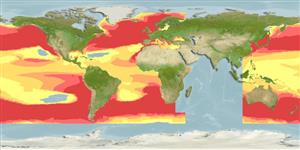
| Native range | All suitable habitat | Point map | Year 2050 |
|
| This map was computer-generated and has not yet been reviewed. |
| Cetorhinus maximus AquaMaps Data sources: GBIF OBIS |
分類 / 名稱 俗名 | 同種異名 | Catalog of Fishes(屬, 種) | ITIS | CoL | WoRMS | Cloffa
Elasmobranchii 板鰓亞綱 (鯊魚與魟魚) (sharks and rays) > Lamniformes (Mackerel sharks) 鼠鯊目 (Mackerel sharks) > Cetorhinidae (Basking sharks) 姥鯊科 (Basking sharks)
Etymology: Cetorhinus: cetus (L.), from ketos (Gr.) whale, referring to its size; rhinus, an ancient name for sharks, from rhine (Gr.), rasp, alluding to a shark’s jagged, rasp-like skin (See ETYFish); maximus: Latin for greatest, being the largest known fish (i.e., non-mammalian aquatic vertebrate) at the time (superseded by Rhincodon typus) (See ETYFish).
Etymology: Cetorhinus: cetus (L.), from ketos (Gr.) whale, referring to its size; rhinus, an ancient name for sharks, from rhine (Gr.), rasp, alluding to a shark’s jagged, rasp-like skin (See ETYFish); maximus: Latin for greatest, being the largest known fish (i.e., non-mammalian aquatic vertebrate) at the time (superseded by Rhincodon typus) (See ETYFish).
環境: 環境 / 氣候帶 / 深度上下限 / 配送範圍 生態學
海洋 pelagic-oceanic; 海洋洄游的 (Ref. 87829); 深度上下限 0 - 2000 m (Ref. 26346), usually 0 - ? m (Ref. 55197). 溫帶; 6°C - 24°C (Ref. 88171); 75°N - 58°S, 111°E - 42°E (Ref. 84930)
分布 領土 | FAO區域 | 生態系 | 發現紀錄 | 分布圖 | 簡介 | Faunafri
Cosmopolitan, frequent in cold to warm temperate waters; rare in equatorial waters (Ref. 48844). Highly migratory species. At risk of extinction by overfishing because of low to very low productivity (Ref. 36717).
四海為家的人。 西大西洋: 加拿大紐芬蘭到美國的佛羅里達; 巴西南部到阿根廷。 東大西洋: 冰島,挪威與 Barents海西部到地中海與塞內加爾; 也南非的開普省西部。 西太平洋: 日本到紐西蘭。 東太平洋: 阿拉斯加灣到智利; 可能地加拉巴哥群島。 高度遷移的種,1982年海事法會議的附件一.(參考文獻 26139) 過度漁撈導致瀕臨滅絕由於生育力極低.(參考文獻 36717) 國際間的買賣限制。 ( 引用 附錄 2, 自從 28.5.2003 以後)
四海為家的人。 西大西洋: 加拿大紐芬蘭到美國的佛羅里達; 巴西南部到阿根廷。 東大西洋: 冰島,挪威與 Barents海西部到地中海與塞內加爾; 也南非的開普省西部。 西太平洋: 日本到紐西蘭。 東太平洋: 阿拉斯加灣到智利; 可能地加拉巴哥群島。 高度遷移的種,1982年海事法會議的附件一.(參考文獻 26139) 過度漁撈導致瀕臨滅絕由於生育力極低.(參考文獻 36717) 國際間的買賣限制。 ( 引用 附錄 2, 自從 28.5.2003 以後)
初熟時的長度 / 大小 / 重量 / 年齡
成熟度: Lm 895.0, range 500 - 1000 cm
Max length : 1,520 cm TL 雄魚/尚未辨別雌雄; (Ref. 247); 980.0 cm TL (female); common length : 700 cm TL 雄魚/尚未辨別雌雄; (Ref. 6077); 最大體重: 4.0 t (Ref. 4645)
Max length : 1,520 cm TL 雄魚/尚未辨別雌雄; (Ref. 247); 980.0 cm TL (female); common length : 700 cm TL 雄魚/尚未辨別雌雄; (Ref. 6077); 最大體重: 4.0 t (Ref. 4645)
簡短描述 檢索表 | 型態特徵 | 形態測量圖
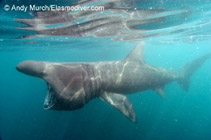
背棘 (總數) : 0; 臀棘: 0. Distinguished from all other sharks by the enormous gill slits practically encircling the head; dermal denticle gill rakers; pointed snout; huge, sub terminal mouth with minute hooked teeth; caudal peduncle with strong lateral keels, and lunate caudal fin. Body covered with placoid scales. Blackish to grey-brown, grey, or blue-grey, often with irregular white blotches under the head and abdomen (Ref. 43278). Also Ref. 309, 5983.
Body shape (shape guide): elongated; Cross section: circular.
與所有的其他鯊魚區分了藉由巨大的鰓縫實際地環繞頭部; 表皮的細齒鰓耙; 尖的吻; 極大的, 次端位嘴部具有細小的鉤狀齒; 尾梗有強的側龍骨 , 與新月狀的尾鰭。 身體覆蓋著盾鱗。 (形態學資料的其他來源: 參考文獻 309,5983).
Body shape (shape guide): elongated; Cross section: circular.
與所有的其他鯊魚區分了藉由巨大的鰓縫實際地環繞頭部; 表皮的細齒鰓耙; 尖的吻; 極大的, 次端位嘴部具有細小的鉤狀齒; 尾梗有強的側龍骨 , 與新月狀的尾鰭。 身體覆蓋著盾鱗。 (形態學資料的其他來源: 參考文獻 309,5983).
The second largest shark, reportedly reaching 1,220-1,520 cm TL (Ref. 247). Thought to live up to 50 years (Ref. 9030, 89083). Semi-oceanic or oceanic species, highly migratory (Ref. 43278). Found on continental and insular shelves, offshore and often close to land, just off the surf zone; enters enclosed bays (Ref. 247). Coastal-pelagic at 1 meter to unknown depths, probably epipelagic (Ref. 58302). Occurs singly, in pairs or groups of 3 or more, or in huge schools (group of up to 100 individuals has been reported) (Ref. 6871, 43278). Prefers water temperature between 8-16 °C (Ref. 88171). Makes extensive horizontal and vertical movements along the continental shelf and shelf edge to utilize productive feeding areas (Ref. 50200). During the summer months, it is found near the surface of boreal to warm-temperate areas (Ref. 43278) feeding on zooplankton by filtering (Ref. 88781). Found in deeper waters during winter (Ref. 6871, 50200, 58302). Undertakes long transoceanic migrations (e.g. from the British Isles to Newfoundland, Canada (Ref. 88824)) and moves between the northern and southern hemisphere in tropical mesopelagic water (Ref. 88825). These migrations have been found to cover distances of over 9,000 km. May form segregations by size or sex (Ref. 88171). Ovoviviparous (Ref. 50449). Regarded as ordinarily harmless and inoffensive but potentially dangerous if attacked (particularly when harpooned) (Ref. 247). In Bay of Fundy, Canada parasitic lampreys have been found attached to the back of basking sharks and sucking their blood (Ref. 83375). Utilized fresh, frozen and dried, or salted (Ref. 9987). Also valued for its liver for oil, fins for soup, hide for leather and carcass for fishmeal (Ref. 247). May be a potential source of anti-carcinoma drugs (Ref. 6034, 6035). Used in Chinese medicine (Ref. 12166). Threatened due to bycatch fisheries (Ref. 83294).
第二個大的鯊魚, 據報告達到 1,220-1,520 公分TL.(參考文獻 247) 棲息於大陸棚與島嶼棚., 外海而且時常接近土地, 正好外海海浪區; 進入封閉的海灣。 (參考文獻 247) 慢慢地游泳在水表面, 通常形成 3 或 4 的魚群但是一群向上到 100 已經被報告.(參考文獻 6871) 在冬天期間棲息於深水域的底部.。 (參考文獻 6871,58302) 沿岸及大洋性的在 1 公尺對未知的深度, 可能表層帶.(參考文獻 58302) 濾食橈腳類的動物,藤壺,十足目幼生與魚卵從水中。 (參考文獻 247) 卵胎生的, 胚胎吃產生於母親的卵黃囊與其他的卵.(參考文獻 50449) 被認為.通常無害處而無攻擊性但是可能危險如果攻擊 (特別地當用魚叉叉).(參考文獻 247) 被凍結而且乾製的生鮮使用, 或鹽醃的.(參考文獻 9987) 對於它的肝臟用於製造魚肝油 , 鰭用於湯也評價, 隱藏用做皮革與殘骸用於魚粉.(參考文獻 247) 可能是一個抗癌藥物的可能來源。 (參考文獻 6034,6035) 被用於中藥材.。 (參考文獻 12166)
第二個大的鯊魚, 據報告達到 1,220-1,520 公分TL.(參考文獻 247) 棲息於大陸棚與島嶼棚., 外海而且時常接近土地, 正好外海海浪區; 進入封閉的海灣。 (參考文獻 247) 慢慢地游泳在水表面, 通常形成 3 或 4 的魚群但是一群向上到 100 已經被報告.(參考文獻 6871) 在冬天期間棲息於深水域的底部.。 (參考文獻 6871,58302) 沿岸及大洋性的在 1 公尺對未知的深度, 可能表層帶.(參考文獻 58302) 濾食橈腳類的動物,藤壺,十足目幼生與魚卵從水中。 (參考文獻 247) 卵胎生的, 胚胎吃產生於母親的卵黃囊與其他的卵.(參考文獻 50449) 被認為.通常無害處而無攻擊性但是可能危險如果攻擊 (特別地當用魚叉叉).(參考文獻 247) 被凍結而且乾製的生鮮使用, 或鹽醃的.(參考文獻 9987) 對於它的肝臟用於製造魚肝油 , 鰭用於湯也評價, 隱藏用做皮革與殘骸用於魚粉.(參考文獻 247) 可能是一個抗癌藥物的可能來源。 (參考文獻 6034,6035) 被用於中藥材.。 (參考文獻 12166)
生命週期和交配行為 成熟度 | 繁殖 | 產卵場 | 卵 | 孕卵數 | 仔魚
Distinct pairing with embrace (Ref. 205). Courtship behaviour patterns associated with elasmobranch reproduction were documented from an aerial observation which include 'parallel swimming', 'pectoral biting', 'nudging', and 'male on top of female'. Other mating behaviours particular to this species from the same aerial observation include nose-to-tail following; flank approach; close approach involving rostral contact or proximity with the gill, pectoral fin, vent, and dorsum; and echelon swimming (Ref. 37026). Exhibit ovoviparity (aplacental viviparity), with embryos feeding on other ova produced by the mother (oophagy) after the yolk sac is absorbed (Ref. 50449). Estimated gestation period 12-36 months (Ref. 247, 1765, 9030, 88829); TL at birth estimated between 150-200 cm; mating thought to take place during early summer; a female giving birth to young captured in August in Norwegian waters (Ref. 5983). Over a study period of 5 years, courtship-like behaviour was observed off southwest England between May and July, always in surface waters along thermal fronts; because actual mating was not observed, this may occur in deeper water (Ref. 88831). A one-year resting period between pregnancies is thought to occur, resulting in a 2-4 year interval between litters (Ref. 9030, 1765, 88829). Only one pregnant female has been observed giving birth to a litter of 6 pups (Ref. 88830).四海為家的人。 西大西洋: 加拿大紐芬蘭到美國的佛羅里達; 巴西南部到阿根廷。 東大西洋: 冰島,挪威與 Barents海西部到地中海與塞內加爾; 也南非的開普省西部。 西太平洋: 日本到紐西蘭。 東太平洋: 阿拉斯加灣到智利; 可能地加拉巴哥群島。 高度遷移的種,1982年海事法會議的附件一.(參考文獻 26139) 過度漁撈導致瀕臨滅絕由於生育力極低.(參考文獻 36717) 國際間的買賣限制。 ( 引用 附錄 2, 自從 28.5.2003 以後)
主要參考資料
上傳您的推薦信 | 參考文獻 | 合作者 : Compagno, Leonard J.V. | 合作者
Compagno, L.J.V., 1984. FAO Species Catalogue. Vol. 4. Sharks of the world. An annotated and illustrated catalogue of shark species known to date. Part 1 - Hexanchiformes to Lamniformes. FAO Fish. Synop. 125(4/1):1-249. Rome, FAO. (Ref. 247)
對人類具威脅
引起創傷的 (Ref. 247)
人類使用
漁業: 商業性
FAO - 漁業: 著陸, 魚種描繪; Publication: search | FIRMS - Stock assessments | FishSource | 周邊海洋
更多資訊
工具
特別的報告
下載 XML
網路資源
AFORO (otoliths) | Aquatic Commons | BHL | Cloffa | Websites from users | 檢查 FishWatcher | CISTI | Catalog of Fishes: 屬, 種 | DiscoverLife | DORIS | ECOTOX | FAO - 漁業: 著陸, 魚種描繪; Publication: search | Faunafri | Fishipedia | Fishtrace | GloBI | Google Books | Google Scholar | Google | IGFA World Record | 國家資料庫 | OneZoom | Open Tree of Life | Otolith Atlas of Taiwan Fishes | PubMed | Reef Life Survey | Socotra Atlas | TreeBase | 樹狀分類階層 | Wikipedia: 去, 搜尋 | World Records Freshwater Fishing | 動物學的記錄
基於模型的估計
首選溫度 (參考文獻 123201): 5.4 - 22.7, mean 11.4 °C (based on 10877 cells).
系統發育多樣性指數 (參考文獻 82804): PD50 = 1.5000 [Uniqueness, from 0.5 = low to 2.0 = high].
Bayesian length-weight: a=0.00389 (0.00180 - 0.00842), b=3.12 (2.94 - 3.30), in cm total length, based on all LWR estimates for this body shape (Ref. 93245).
營養階層 (參考文獻 69278): 3.2 ±0.3 se; based on diet studies.
Generation time: 17.7 ( na - na) years. Estimated as median ln(3)/K based on 1 growth studies.
Prior r = 0.07, 95% CL = 0.04 - 0.10, Based on 2 data-limited stock assessments.
營養素 (Ref. 124155): Calcium = 2.25 [0.46, 11.12] mg/100g; Iron = 0.218 [0.050, 0.684] mg/100g; Protein = 19.3 [16.7, 21.8] %; Omega3 = 0.317 [0.116, 0.875] g/100g; Selenium = 38.4 [9.2, 129.2] μg/100g; VitaminA = 2.24 [0.46, 11.41] μg/100g; Zinc = 0.226 [0.103, 0.441] mg/100g (wet weight);