



Carcharhinus macloti (Müller & Henle, 1839)
Hardnose shark
مشاهدات خود را اضافه کنيد در Fish Watcher
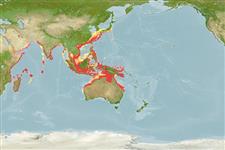
| Native range | All suitable habitat | Point map | Year 2050 |
|
| This map was computer-generated and has not yet been reviewed. |
| Carcharhinus macloti AquaMaps Data sources: GBIF OBIS |
را بارگذاری کني تصاوير و فيلم ها
عکس ها | تصوير گوگل Carcharhinus macloti
عکس از McAuley, R.
عکس ها | تصوير گوگل
عکس از McAuley, R.
رده بندی / نامها اسامي عام | مترادف | Catalog of Fishes(جنس, گونه ها) | ITIS | CoL | WoRMS | Cloffa
(كوسه ها و سپرماهيان) (sharks and rays) > Carcharhiniformes (Ground sharks) > Carcharhinidae (Requiem sharks)
Etymology: Carcharhinus: karcharos (Gr.), sharp or jagged; rhinus, an ancient name for sharks, from rhine (Gr.), rasp, both words alluding to a shark's jagged, rasp-like skin (See ETYFish); macloti: In honor of German naturalist Heinrich Christian Macklot (1799-1832, Latinized as Maclot), who collected holotype in New Guinea (See ETYFish).
Eponymy: Heinrich Christian Macklot (1799–1832) was a German naturalist and taxidermist. [...] (Ref. 128868), visit book page.
More on authors: Müller & Henle.
Etymology: Carcharhinus: karcharos (Gr.), sharp or jagged; rhinus, an ancient name for sharks, from rhine (Gr.), rasp, both words alluding to a shark's jagged, rasp-like skin (See ETYFish); macloti: In honor of German naturalist Heinrich Christian Macklot (1799-1832, Latinized as Maclot), who collected holotype in New Guinea (See ETYFish).
Eponymy: Heinrich Christian Macklot (1799–1832) was a German naturalist and taxidermist. [...] (Ref. 128868), visit book page.
More on authors: Müller & Henle.
محیط زیست: محیط زیست / منطقه آب و هوایی / تغييرات عمق / محدوده توزیع بوم شناسي
دريايي نزديك كف زي; تغييرات عمق ? - 170 m (Ref. 6871). Subtropical; 37°N - 27°S, 39°E - 154°E
پراكنش سرزمینها | مناطق سازمان خوار و بار جهاني (FAO) | اکوسیستمها | ظهور | نقشه نقطه ای | معرفي | Faunafri
Indo-West Pacific: Kenya, Tanzania, Pakistan, India, Sri Lanka, Andaman Sea, Myanmar, Viet Nam, China, Taiwan, Hong Kong and the Philippines (Ref. 6821), New Guinea. Also in the Arafura Sea (Ref. 9819). Possibly occurring in the Gulf of Aden (Ref. 9997).
طول در اولین بلوغ / اندازه / وزن / سن
توصيف مختصر كليدهاي شناسايي | ريخت شناسي | ريخت ستجي بوسيله انداره گيري
خارهاي باله پشتي (کل) : 0; خارهاي باله مخرجي: 0. A small slender shark with a long narrowly rounded or somewhat pointed snout, no interdorsal ridge, small pectoral fins, a small first dorsal fin with an extremely long rear tip and a small low second dorsal fin with a long rear tip (Ref. 244). Back grayish or grey-brown, belly white; posterior margin of pectorals and ventral caudal fin lobe with an inconspicuous white edge; posterioventral and dorsal margins of caudal fin with a narrow black edge (Ref. 9997).
Body shape (shape guide): fusiform / normal.
Body shape (shape guide): fusiform / normal.
Found in inshore and offshore waters of continental and insular shelves (Ref. 9997). Feeds mainly on fishes, also cephalopods and crustaceans (Ref. 6871). Viviparous (Ref. 50449). Of limited interest to fisheries due to its small size (Ref. 9997). Utilized fresh and probably dried-salted for human consumption (Ref. 244).
چرخه زندگی و رفتار جفتگیری بلوغ | تولید مثل | تخم ریزی | تخم ها | باروری | توزاد ( لارو)
Viviparous, placental (Ref. 50449). 1 or 2 (usually 2) in a litter (Ref. 244). Size at birth 45 to 50 cm TL (Ref. 9997). Distinct pairing with embrace (Ref. 205). 12 months gestation period (Ref.58048).
مآخذ اصلی
مراجع خود را بارگذاری کنید | مراجع | هماهنگ كننده : Compagno, Leonard J.V. | همكاران
Compagno, L.J.V., 1984. FAO Species Catalogue. Vol. 4. Sharks of the world. An annotated and illustrated catalogue of shark species known to date. Part 2 - Carcharhiniformes. FAO Fish. Synop. 125(4/2):251-655. Rome: FAO. (Ref. 244)
وضعيت در فهرست قرمز IUCN (Ref. 130435: Version 2025-2 (Global))
نزديک به تهديد شدن (NT) (A2d); Date assessed: 27 November 2020
خطر برای انسان ها
Harmless (Ref. 9997)
استفاده انسانی
ماهي گيري – شيلات: ارزش تحاري اندك
FAO - Publication: search | FishSource | دریای اطراف ما
اطلاعات بيشتر
پویایی جمعیت
پارامترهای رشد
حداکثر سن/اندازه
نسبت طول-وزن.
طول-طول نسبی.
نوسانات طولی
تبدیل انبوه
بازسازی
فراواني
پارامترهای رشد
حداکثر سن/اندازه
نسبت طول-وزن.
طول-طول نسبی.
نوسانات طولی
تبدیل انبوه
بازسازی
فراواني
آناتومی
منطقه آبششي
مغز
اتولیت
منطقه آبششي
مغز
اتولیت
فیزیولوژی
ترکیب بدن
مواد مغذی
مصرف اکسیژن
نوع شنا
سرعت شنا
رنگدانههای بصری
صدای ماهی
بیماریها و انگلها
سمیت (LC50s)
ترکیب بدن
مواد مغذی
مصرف اکسیژن
نوع شنا
سرعت شنا
رنگدانههای بصری
صدای ماهی
بیماریها و انگلها
سمیت (LC50s)
مرتبط با انسان
سیستمهای آبزیپروری
نمايه هاي آبزي پروري
نژادها
موارد سیگواترا
تمبر، سکه، متفرقه.
سیستمهای آبزیپروری
نمايه هاي آبزي پروري
نژادها
موارد سیگواترا
تمبر، سکه، متفرقه.
ابزارها
کتاب الکترونیکی | راهنماي صحرايي | كليدهاي شناسايي | امكان نرم افزاري بسامد طولي | ابزار تاريخ زيستي | نقشه نقطه ای |
گرفتن-MSY |
گزارش های ويژه
راجع به نگهداری آکواريم ملاحظه کنيد | برگه اطلاعات و مشخصات گونه ها را ملاحظه کنيد | برگه اطلاعات و مشخصات آبزی پروری را ببينيد
بارگيری XML
منابع اينترنتي
AFORO (otoliths) | Aquatic Commons | BHL | Cloffa | Websites from users | فيش واچر را ببينيد | CISTI | Catalog of Fishes: جنس, گونه ها | DiscoverLife | ECOTOX | FAO - Publication: search | Faunafri | Fishipedia | Fishtrace | GloBI | Google Books | Google Scholar | Google | IGFA World Record | پايگاه هاي داده ها | OneZoom | Open Tree of Life | Otolith Atlas of Taiwan Fishes | PubMed | Reef Life Survey | Socotra Atlas | TreeBase | Tree of Life | Wikipedia: برو, جستجو | World Records Freshwater Fishing | سوابق جانورشناسی
تخمینها بر اساس مدلها
دمای ترجیحی (مرجع 123201): 24 - 29.1, mean 28 °C (based on 2308 cells).
شاخص تنوع فیلوژنتیکی (مرجع 82804): PD50 = 0.5000 [Uniqueness, from 0.5 = low to 2.0 = high].
Bayesian length-weight: a=0.00457 (0.00278 - 0.00751), b=3.06 (2.92 - 3.20), in cm total length, based on LWR estimates for this species & Genus-body shape (Ref. 93245).
سطح تروفیک (مرجع 69278): 4.2 ±0.4 se; based on diet studies.
جهندگی (مرجع 120179): خیلی آهسته, كمينه زمان لازم براي دو برابر شدن جمعيت بيش از 14 سال (Fec=1).