This website uses cookies to enhance your browsing experience and ensure the functionality of our site. For more detailed information about the types of cookies we use and how we protect your privacy, please visit our Privacy Information page.
×
Cookie Settings
This website uses different types of cookies to enhance your experience. Please select your preferences below:
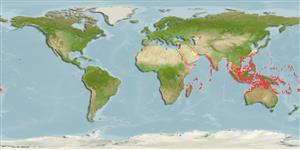
Indo-Pacific: Red Sea to South Africa (Ref. 35918) and to the Tuamoto Islands, north to the Ryukyu Islands, south to New Caledonia. Formerly known as Vulnerable (A1d+2cd) (Y. Sadovy) but now listed as Endangered in IUCN 2004.
ການຈະເລີນເຕັມໄວ: Lm?, range 52 - ? cm Max length : 229 cm SL ຕົວຜູ້/ບໍ່ມີເພດ; (Ref. 9823); common length : 60.0 cm TL ຕົວຜູ້/ບໍ່ມີເພດ; (Ref. 5450); ນ້ຳໜັກສູງສຸດທີ່ເຄຍຈັດພີມມາ: 191.0 kg (Ref. 9710); ອາຍຸສູງສຸດທີ່ເຄຍລາຍງານມາ: 32 ປີ (Ref. 51676)
ຄີ (ໜາມ)ແຂງຢູ່ຫຼັງປາ (ທັງໝົດ) : 9; ຄີຫຼັງຂອງປາ (ຄີອ່ອນ) (ທັງໝົດ) : 10; ຄີ(ໜາມ) ແຂງຢູ່ຄີກົ້ນປາ
ກຸ່ມປາກະດູກແຂງ
ຄວາມຖີ່ຂອງກຸ່ມຖ່າຍທອດພັນ
ປາທີ່ມີການເຄື່ອນຍ້າຍຈາກທະເລໄປຫານ້ຳຈືດ ແລະນ້ຳຈືດຫາທະເລ
ປາທີ່ມີການເຄື່ອນຍ້າຍຈາກທະເລແລະໄປໄຂ່ຢູ່ນ້ຳຈືດ
ຄີກົ້ນຂອງປາ
ສັດທີ່ມີກະດູກສັນຫັຼງ
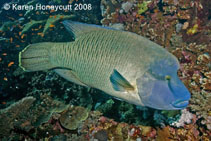
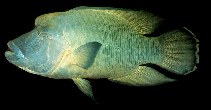
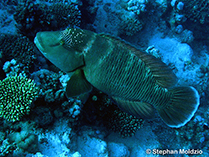
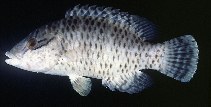
ການຖ່າຍທອດທາງກຳມະພັນຈາກພໍ່ແມ່ຫາລູກ: 3; ຄີກົ້ນຂອງປາ: 8. This species is distinguished by the following characters: body deep, its depth 2.2-2.7 times in standard length; dorsal profile of head straight to above eye, then becoming convex; adults develop a large hump on forehead that can protrude anterior to eye; anterior tip of head forming an acute angle; jaws and lips prominent, 2 strong canines anteriorly in each jaw; no enlarged tooth present of rear of upper jaw; D IX,10, continuous; A III,8; dorsal and anal fins of adults very pointed, reaching well posterior to caudal-fin base; pelvic fins of small fish reaching anus, extending beyond anal-fin origin in large adults; pectoral fins with ii unbranched and 10 branched rays; caudal fin rounded; lateral line interrupted below posterior portion of dorsal-fin base, with a total of 22-23 pored scales; scales reaching well onto bases of dorsal and anal fins; scales in front of dorsal fin extending forward to above centre of eye; cheek and opercle scaly; lower jaw without scales. Colour of body olive to green with a vertical dark bar on each scale above and behind pectoral fins; head of adults blue-green to blue with highly irregular undulating yellowish lines; 2 black lines extending posteriorly from eye. Juvenile coloration lighter to white with dark scale bars and prominent black lines extending posteriorly from eyes, as well as 2 lines extending diagonally up and back from eye and 2 diagonally downward on snout in front of eye (Ref. 9823). Body shape (shape guide): fusiform / normal; Cross section: compressed.
Adults inhabit steep outer reef slopes, channel slopes, and lagoon reefs (Ref. 1602). They are benthopelagic at 2-60 m (Ref. 58302). They are usually solitary but may occur in pairs. Juveniles are encountered in coral-rich areas of lagoon reefs, where staghorn Acropora corals abound (Ref. 1602) and also in algae reefs or seagrasses (Ref. 48636, 41878). Adults rove across the reefs by day and rest in reef caves and under coral ledges at night (Ref. 31343). Primary food are mollusks, fishes, sea urchins, crustaceans, and other invertebrates. They are one of the few predators of toxic animals such as sea hares, boxfishes and crown-of-thorns starfish (Ref. 1602). They are oviparous with distinct pairing during breeding (Ref. 205). They are sold in Hong Kong live fish markets (Ref. 27253). This species is captured by hook-and-line and by spear, and is occasionally marketed for food. Juveniles are occasionally seen in the aquarium trade (Ref. 9823). Minimum depth reported taken from Ref. 128797.
Randall, J.E., G.R. Allen and R.C. Steene, 1990. Fishes of the Great Barrier Reef and Coral Sea. University of Hawaii Press, Honolulu, Hawaii. 506 p. (Ref. 2334)
ສະຖານະພາບບັນຊີແດງຂອງ IUCN (Ref. 130435: Version 2025-2 (Global))