



Stiphodon imperiorientis Watson & Chen, 1998
ارفع صور و مقاطع فيديو
صور | صور قوقل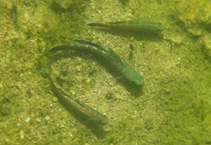 Stiphodon imperiorientis
Male صورة بواسطة FishBase
صور | صور قوقل
Male صورة بواسطة FishBase
التصنيف / الأسماء الأسماء الشائعة | مرادفات | Catalog of Fishes(جنس, الانواع) | ITIS | CoL | WoRMS | Cloffa
> Gobiiformes (Gobies) > Gobiidae (Gobies) > Sicydiinae
Etymology: Stiphodon: Greek, stiphos, -eos, -oys = mass + Greek, odous = teeth (Ref. 45335).
Eponymy: The binomial is a combination of the Latin words imperator (emperor) and orientis (of the east). This is a reference to Emperor Akihito of Japan (See Akihito). (Ref. 128868), visit book page.
Etymology: Stiphodon: Greek, stiphos, -eos, -oys = mass + Greek, odous = teeth (Ref. 45335).
Eponymy: The binomial is a combination of the Latin words imperator (emperor) and orientis (of the east). This is a reference to Emperor Akihito of Japan (See Akihito). (Ref. 128868), visit book page.
البيئة: الوسط / المنطقة المناخية / نطاق العمق / نطاق التوزيع البيئة
بحري; المياه العذبة; مياه مخلوطة قاعية التغذية و المعيشة; مهاجرة بين الياه الملحه و الحلوة لكن ليس للتزاوج. Subtropical
التوزيع الأقاليم | مناطق الفاو | النظام البيئي | الظهور | نقطة علي الخريطة | مقدمة | Faunafri
Asia: southern Japan and the mainland of South China, and probably appears in eastern Taiwan.
الحجم / وزن / العمر
النضج: Lm ? range ? - ? cm
Max length : 5.0 cm SL ذكر/ مختلط الجنس; (Ref. 28731); 5.2 cm SL (female)
Max length : 5.0 cm SL ذكر/ مختلط الجنس; (Ref. 28731); 5.2 cm SL (female)
وصف مختصر مفاتيح التعريف | الوصف الخارجي | قياسات المظهر الخارجي
الأشواك الظهرية (المجموع) : 7; الأشعة الظهرية الناعمة (المجموع) : 9 - 10; شوكة شرجية: 1; أشعه شرجية لينه: 10. This species is a large-sized Stiphodon with the pectoral fin spotted and sexual dimorphism obvious. Mature male with body grey or dark with iridescent blue/ green/ purple lateral bars (depending on viewing angle), snout and cheek iridescent blue/ green/ purple, first dorsal fin elongated and triangular, second dorsal fin with obvious spots (spots on first dorsal fin not obvious) and the female with two obvious transverse stripes on the body (Ref. 28731, 43239).
Body shape (shape guide): elongated.
Body shape (shape guide): elongated.
Prefers to inhabit areas of boulders with a rock and gravel bottoms in clear streams (Ref. 28731) and mainly feed on epiphyte and biofilm on rocks in the wild. Due to its amphidromous nature, as known to occur with its congeners (adults live and breed in freshwater streams; larvae hatched drift downstream and develop in marine environments; juveniles return to freshwater streams), blockage of the migration pathway (e.g. construction of dam or culvert in streams) would cause a significant impact on this species. Ensuring no net loss of habitat, keeping the natural stream flow and maintaining the stream-ocean corridor are all essential for preserving this species (based on researches on its congeners; see Ref. 82683, 82684, 82685, 82689, 82690, 82692). Collection conducted by aquarium hobbyists (both private and commercial) also poses a serious threat to Stiphodon species in some regions (Ref. 82684) and this kind of activity should be strictly controlled (Ref. 82694).
دورة الحياة وسلوك التزاوج النضج | التكاثر | وضع البيض | بيض | الخصوبة | اليرقات
المرجع الرئيسي
قم بتحميل مراجعك | مراجع | المنظم | المتعاونين
Watson, R.E and I.-S. Chen, 1998. Freshwater gobies of the genus Stiphodon from Japan and Taiwan (Teleostei: Gobiidae: Sicydiini). aqua, J. Ichthyol. Aquat. Biol. 3(2):55-66. (Ref. 28731)
حالة القائمة الحمراء للاتحاد الدولي لحفظ الطبيعة والموارد الطبيعية (Ref. 130435: Version 2025-2 (Global))
الضعفاء (VU) (D2); Date assessed: 01 March 2007
CITES
Not Evaluated
خطر للأنسان
Harmless
استخدامات بشرية
مصائد: غير ذات اهمية
FAO - Publication: search | FishSource |
مزيد من المعلومات
علم البيئة الغذائية
المواد الغذائية (الفرائس)
التركيبة الغذائية
استهلاك الأغذية
الحصص الغذائية
مفتريسات
المواد الغذائية (الفرائس)
التركيبة الغذائية
استهلاك الأغذية
الحصص الغذائية
مفتريسات
البيئة
البيئة
البيئة
الديناميكيات السكانية
معاملات النمو
الحد الأقصى للأعمار/الأحجام
علاقة الطول بالوزن.
علاقة الطول بالطول.
الطول- الترددات
التحويل الجماعي
توظيف
الوفرة
معاملات النمو
الحد الأقصى للأعمار/الأحجام
علاقة الطول بالوزن.
علاقة الطول بالطول.
الطول- الترددات
التحويل الجماعي
توظيف
الوفرة
دورة الحياة
التكاثر
النضج
النضج/الخياشيم المتعلقة.
الخصوبة
وضع البيض
تجمعات التفريخ
بيض
تطور البيضة
اليرقات
حركة انتقال اليرقات
التكاثر
النضج
النضج/الخياشيم المتعلقة.
الخصوبة
وضع البيض
تجمعات التفريخ
بيض
تطور البيضة
اليرقات
حركة انتقال اليرقات
التشريح
منطقة الخياشيم
الدماغ
الأوتوليث
منطقة الخياشيم
الدماغ
الأوتوليث
علم وظائف الأعضاء
تكوين الجسم
المغذيات
استهلاك الأوكسجين
نوع السباحة
سرعة السباحة
الأصباغ البصرية
صوت السمك
الأمراض والطفيليات
السمية (LC50s)
تكوين الجسم
المغذيات
استهلاك الأوكسجين
نوع السباحة
سرعة السباحة
الأصباغ البصرية
صوت السمك
الأمراض والطفيليات
السمية (LC50s)
جيني
الوراثة
جيني
التغاير
التوريث
التنوع الوراثي
الوراثة
جيني
التغاير
التوريث
التنوع الوراثي
ذات الصلة بالبشر
أنظمة الاستزراع المائي
ملامح تربية الأحياء المائية
سلالات
حالات سيغواتيرا
طوابع بريدية وعملات معدنية ومتنوعة
أنظمة الاستزراع المائي
ملامح تربية الأحياء المائية
سلالات
حالات سيغواتيرا
طوابع بريدية وعملات معدنية ومتنوعة
أدوات
كتاب إلكتروني | دليل الميدان | معالج تردد الطول-التردد | أداة تاريخ الحياة | نقطة علي الخريطة |
Catch-MSY |
تقارير خاصة
البحث عن صيانت الأحواض المائيه | التحقق من وجود صفحات حقائق الأنواع | البحث عنا حقائق حول الأحواض المائيه
تنزيل XML
مصادر علي الأنترنت
AFORO (otoliths) | Aquatic Commons | BHL | Cloffa | Websites from users | البحث في مراقبي الأسماك | CISTI | Catalog of Fishes: جنس, الانواع | DiscoverLife | ECOTOX | FAO - Publication: search | Faunafri | Fishipedia | Fishtrace | GloBI | Google Books | Google Scholar | Google | IGFA World Record | OneZoom | Open Tree of Life | Otolith Atlas of Taiwan Fishes | PubMed | Reef Life Survey | Socotra Atlas | TreeBase | شجرة الحياة | Wikipedia: ذهب, بحث | World Records Freshwater Fishing | Zoobank | سجلات علم الحيوانات
تقديرات تستند إلى النماذج
مؤشر التنوع الشُعبي الوراثي (مرجع 82804): PD50 = 0.5000 [Uniqueness, from 0.5 = low to 2.0 = high].
Bayesian length-weight: a=0.00389 (0.00180 - 0.00842), b=3.12 (2.94 - 3.30), in cm total length, based on all LWR estimates for this body shape (Ref. 93245).
المرونه (مرجع 120179): عالي, الحد الزمني الأدني لتضاعف عدد أفراد المجتمع أقل من 15 شهر (Preliminary K or Fecundity.).