This website uses cookies to enhance your browsing experience and ensure the functionality of our site. For more detailed information about the types of cookies we use and how we protect your privacy, please visit our Privacy Information page.
×
Cookie Settings
This website uses different types of cookies to enhance your experience. Please select your preferences below:
Anampses neoguinaicus, New Guinea wrasse : fisheries, aquarium
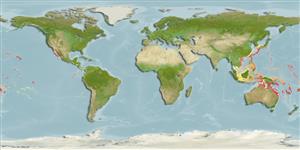
Western Pacific: Philippines and Taiwan to Fiji, north to the Izu Islands, south to the Great Barrier Reef and New Caledonia. Recently recorded from Tonga (Ref. 53797).
ຂະໜາດ / ນ້ຳໜັກ / ອາຍຸ
ການຈະເລີນເຕັມໄວ: Lm? range ? - ? cm Max length : 20.0 cm SL ຕົວຜູ້/ບໍ່ມີເພດ; (Ref. 9823)
ຄີ (ໜາມ)ແຂງຢູ່ຫຼັງປາ (ທັງໝົດ) : 9; ຄີຫຼັງຂອງປາ (ຄີອ່ອນ) (ທັງໝົດ) : 11 - 13; ຄີ(ໜາມ) ແຂງຢູ່ຄີກົ້ນປາ
ກຸ່ມປາກະດູກແຂງ
ຄວາມຖີ່ຂອງກຸ່ມຖ່າຍທອດພັນ
ປາທີ່ມີການເຄື່ອນຍ້າຍຈາກທະເລໄປຫານ້ຳຈືດ ແລະນ້ຳຈືດຫາທະເລ
ປາທີ່ມີການເຄື່ອນຍ້າຍຈາກທະເລແລະໄປໄຂ່ຢູ່ນ້ຳຈືດ
ຄີກົ້ນຂອງປາ
ສັດທີ່ມີກະດູກສັນຫັຼງ
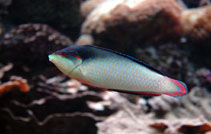
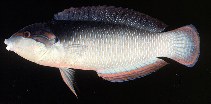
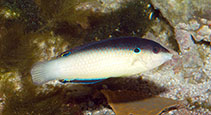
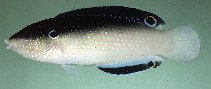
ການຖ່າຍທອດທາງກຳມະພັນຈາກພໍ່ແມ່ຫາລູກ: 3; ຄີກົ້ນຂອງປາ: 11 - 13. Head spotted. Color of females black dorsally, blue spotted, becoming yellowish white on sides and white ventrally; opercle with a large black ocellus; anal fin with a broad black band. Male form blackish dorsally with light blue dots, shading gradually to light yellowish green; each body scale with vertical light blue line; upper half of head dark reddish with dark-edged blue bands radiating from eye; anal fins with several longitudinal bands on a broad orange zone; caudal fin with vertical stripes. Dorsal spines pungent. Body shape (shape guide): fusiform / normal; Cross section: compressed.
An inshore species inhabiting shallow coral reefs (Ref. 9823), with patches of sand and rubble (Ref. 37816), also along upper part of slopes and on reef crests with Acropora corals. Adults occur in small loose groups of females with dominant male nearby. Juveniles occur solitary in corals (Ref. 48636). Feed on benthic invertebrates. Oviparous, distinct pairing during breeding (Ref. 205). Occasionally seen in fish markets and aquarium trade.
Westneat, M.W., 2001. Labridae. Wrasses, hogfishes, razorfishes, corises, tuskfishes. p. 3381-3467. In K.E. Carpenter and V. Niem (eds.) FAO species identification guide for fishery purposes. The living marine resources of the Western Central Pacific. Vol. 6. Bony fishes part 4 (Labridae to Latimeriidae), estuarine crocodiles. FAO, Rome. (Ref. 9823)
ສະຖານະພາບບັນຊີແດງຂອງ IUCN (Ref. 130435: Version 2025-2 (Global))
ອຸນຫະພູມທີ່ຕ້ອງການ (ເອກະສານອ້າງອີງ 123201): 24.6 - 29.3, mean 28.4 °C (based on 1821 cells).
ດັດຊະນີຄວາມຫຼາກຫຼາຍທາງຊີວະພາບ (ເອກະສານອ້າງອີງ 82804): PD50 = 0.5002 [Uniqueness, from 0.5 = low to 2.0 = high].
Bayesian length-weight: a=0.00977 (0.00468 - 0.02039), b=3.07 (2.90 - 3.24), in cm total length, based on LWR estimates for this (Sub)family-body shape (Ref. 93245).
ຊັ້ນເຂດຮ້ອນ (ເອກະສານອ້າງອີງ 69278): 3.5 ±0.37 se; based on food items.
ຄວາມຢືດຢຸ່ນ (ເອກະສານອ້າງອີງ 120179): ຂະໜາດກາງ, ປະຊາກອນຕຳ່ສຸດທີ່ໃຊ້ເວລາສອງເທົ່າ 1.4 - 4.4 ປີ (Preliminary K or Fecundity.).
ຄວາມສ່ຽງຕໍ່ການຫາປາ (Ref. 59153): Low vulnerability (14 of 100). 🛈