



Misgurnus anguillicaudatus (Cantor, 1842)
Pond loach
Загрузить свой Фото и Видео
изображения | Изображение на Google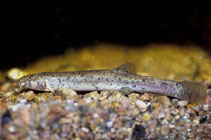 Misgurnus anguillicaudatus
Изображение сделано JJPhoto
изображения | Изображение на Google
Изображение сделано JJPhoto
Классификация / Имена народные названия | синонимы | Catalog of Fishes(род, виды) | ITIS | CoL | WoRMS | Cloffa
Окружающая среда: среда / климатическая зона / пределы глубины / диапазон распространения экология
; пресноводный демерсальный; мигрирует в реке (Ref. 126106); пределы глубины 5 - ? m (Ref. 27732). Subtropical; 5°C - 25°C (Ref. 2060); 53°N - 27°S
распространение Территории | регионы FAO | Экосистемы | места находок | карта точек | интродукции | Faunafri
Asia: Native to Siberia (Tugur and Amur drainages), Sakhalin, Korea, Japan, China south to northern Vietnam. Europe: Introduced in several localities in Rhine (France Ref. 132967, Germany) and Ticino (Italy, north of Milano) drainages, Aral Sea basin, North America, Australia and Hawaii.
This species proved successful in the aquarium fish trade and has also been introduced to other countries (Ref. 1739). At least one country reports adverse ecological impact after introduction.
Размер / Вес / Возраст
половая зрелость: Lm ? range ? - ? cm
Max length : 28.0 cm SL самец/пол неопределен; (Ref. 59043); common length : 15.0 cm TL самец/пол неопределен; (Ref. 12193)
Max length : 28.0 cm SL самец/пол неопределен; (Ref. 59043); common length : 15.0 cm TL самец/пол неопределен; (Ref. 12193)
Краткое описание определительные ключи | морфология | морфометрия
Dorsal view shows the male with larger pectoral fins and the female with fuller abdomen (Ref. 44091). Body is mottled with darker greenish-gray to dark brown markings, against a yellow-brown to brown color; conspicuous adipose crests along the ventral and dorsal mid-lines of the caudal peduncle; 10 barbels; suborbital spine hidden in the skin (Ref. 27732).
Body shape (shape guide): elongated.
Body shape (shape guide): elongated.
Facultative air-breathing (Ref. 126274); Adults occur in rivers, lakes and ponds. Also in swamps and ricefields (Ref. 27732, 119549). They prefer muddy bottoms, where they hide in the muck and leaf litter with only their heads sticking outi, They can also be found under mats of honohono (Commelina diffusa and California grass (Brachiara nuatica). They feed on worms, small crustaceans, insects, insect larvae, and other small aquatic organisms (Ref. 44091).
Жизненный цикл и брачное поведение половая зрелость | размножение | нерест | икра | Плодовитость | личинки
Male wraps his body around the female and stimulates her to release a cloud of eggs, which the male simultaneously fertilizes (Ref. 44091).
Основная ссылка
Загрузите свои рекомендации | ссылки | координатор | соавторы
Talwar, P.K. and A.G. Jhingran, 1991. Inland fishes of India and adjacent countries. vol 1. A.A. Balkema, Rotterdam. i-liv + 1-541, 1 map (Ref. 4832)
Статус Красного Списка МСОП (Ref. 130435: Version 2025-2 (Global))
Не вызывающий беспокойства (LC) ; Date assessed: 20 September 2011
CITES
Not Evaluated
Угроза для людей
Potential pest (Ref. 8923)
Использование человеком
рыболовство: коммерческий; аквакультура (рыбоводство): коммерческий; аквариум: коммерческий; наживка: occasionally
FAO - Системы аквакультуры: Производство; ; Publication: search | FishSource |
дополнительная информация
Трофическая экология
Пищевые предметы (добыча)
состав пищи
потребление пищи
Продовольственные пайки
хищники
Пищевые предметы (добыча)
состав пищи
потребление пищи
Продовольственные пайки
хищники
Динамика численности населения
Параметры роста
Макс. возраст / размер
Отношение длины к весу.
Отношение длины к длине.
Размерный состав
Преобразование массы
пополнение
численность
Параметры роста
Макс. возраст / размер
Отношение длины к весу.
Отношение длины к длине.
Размерный состав
Преобразование массы
пополнение
численность
Жизненный цикл
размножение
половая зрелость
Зрелость/Жиры относительно.
Плодовитость
нерест
Нерестовые скопления
икра
Развитие икры
личинки
динамика численности личинок
размножение
половая зрелость
Зрелость/Жиры относительно.
Плодовитость
нерест
Нерестовые скопления
икра
Развитие икры
личинки
динамика численности личинок
Анатомия
жаберная область
Мозг
Отолит
жаберная область
Мозг
Отолит
Физиология
Состав тела
Питательные вещества
Потребление кислорода
Тип плавания
Скорость плавания
Зрительные пигменты
Звук рыбы
Болезни и паразиты
Токсичность (LC50s)
Состав тела
Питательные вещества
Потребление кислорода
Тип плавания
Скорость плавания
Зрительные пигменты
Звук рыбы
Болезни и паразиты
Токсичность (LC50s)
Связанные с человеком
Системы аквакультуры
особенности рыбоводства
степень растяжения
Случаи заболевания сигуатерой
Марки, монеты и прочее.
Системы аквакультуры
особенности рыбоводства
степень растяжения
Случаи заболевания сигуатерой
Марки, монеты и прочее.
инструменты
Органическая викторина | Электронная книга | полевой определитель | Длина-Частота | онтогенез | карта точек |
Catch-MSY |
Специальные отчеты
Проверить содержание в аквариумах | Проверить опубликованные видовые данные | Проверить опубликованные данные по аквакультуре
Скачать в формате XML
ресурсы в Интернет
AFORO (otoliths) | Alien/Invasive Species database | Aquatic Commons | BHL | Cloffa | Websites from users | Проверить FishWatcher | CISTI | Catalog of Fishes: род, виды | DiscoverLife | ECOTOX | FAO - Системы аквакультуры: Производство; ; Publication: search | Faunafri | Fishipedia | Fishtrace | GloBI | Google Books | Google Scholar | Google | IGFA World Record | национальные базы данных | OneZoom | Open Tree of Life | Otolith Atlas of Taiwan Fishes | общественные аквариумы | PubMed | Reef Life Survey | Socotra Atlas | TreeBase | Tree of Life | Wikipedia: Вперёд, поиск | World Records Freshwater Fishing | Зоологическая летопись
Оценки, основанные на моделях
Индекс филогенетического разнообразия (ссылка 82804): PD50 = 0.5020 [Uniqueness, from 0.5 = low to 2.0 = high].
Bayesian length-weight: a=0.00457 (0.00391 - 0.00534), b=3.09 (3.05 - 3.13), in cm total length, based on LWR estimates for this species (Ref. 93245).
Трофический уровень (ссылка 69278): 3.1 ±0.4 se; based on diet studies.
устойчивость к внешним воздействиям (ссылка 120179): средний (среднего размера), минимальное время удвоения популяции 1.4-4.4 года (Fec=2000 eggs).