



Blenniella caudolineata (Günther, 1877)
Blue-spotted blenny
مشاهدات خود را اضافه کنيد در Fish Watcher
| Native range | All suitable habitat | Point map | Year 2050 |
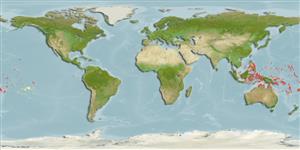
|
| This map was computer-generated and has not yet been reviewed. |
| Blenniella caudolineata AquaMaps Data sources: GBIF OBIS |
را بارگذاری کني تصاوير و فيلم ها
عکس ها | تصوير گوگل Blenniella caudolineata
Female عکس از Springer, V.G./Williams, J.T.
عکس ها | تصوير گوگل
Female عکس از Springer, V.G./Williams, J.T.
رده بندی / نامها اسامي عام | مترادف | Catalog of Fishes(جنس, گونه ها) | ITIS | CoL | WoRMS | Cloffa
> Blenniiformes (Blennies) > Blenniidae (Combtooth blennies) > Salariinae
Etymology: Blenniella: Diminutive of blennius, Greek,blenios = mucus (Ref. 45335).
More on author: Günther.
Etymology: Blenniella: Diminutive of blennius, Greek,blenios = mucus (Ref. 45335).
More on author: Günther.
محیط زیست: محیط زیست / منطقه آب و هوایی / تغييرات عمق / محدوده توزیع بوم شناسي
دريايي وابسته به آب سنگ; تغييرات عمق 0 - 3 m (Ref. 90102). Tropical; 16°N - 24°S
پراكنش سرزمینها | مناطق سازمان خوار و بار جهاني (FAO) | اکوسیستمها | ظهور | نقشه نقطه ای | معرفي | Faunafri
Pacific Ocean: southern Japan to the Moluccas, east to Mariana Islands, Tonga, and Tuamoto Archipelago; Tawara, Kiribati and Howland Island. Replaced by Blenniella cyanostigma in the Indian Ocean (Ref. 37816).
اندازه / وزن / سن
بلوغ: Lm ? range ? - ? cm
Max length : 8.2 cm SL جنس نر / بدون خواص جنسي; (Ref. 9962); 6.8 cm SL (female)
Max length : 8.2 cm SL جنس نر / بدون خواص جنسي; (Ref. 9962); 6.8 cm SL (female)
توصيف مختصر كليدهاي شناسايي | ريخت شناسي | ريخت ستجي بوسيله انداره گيري
خارهاي باله پشتي (کل) : 12 - 14; شعاع نرم باله پشتي (کل) : 19 - 22; خارهاي باله مخرجي: 2 - 3; شعاع نرم باله مخرجي: 20 - 23; مهره ها: 37 - 40. Diagnosis: Dorsal fin XII-XIV, 19-22, notched between spinous and segmented-ray portions; anal fin II-III, 20-23 (rarely 23); pectoral rays 12-15 (usually 14); pelvic fin I, 3; caudal fin procurrent rays 10-16, segmented rays 13. Vertebrae 10-12 + 26-29. Last pleural rib on 11-13th vertebrae. Orbital cirrus simple filamentous; nasal cirri short and simple to palmate with 2-7 branches; nape without cirri. Lateral line, continuous anterodorsally below dorsal spines from 6-7th to 10th, disconnected posteroventrally up to below dorsal spine 9-13th. Mandibular pores 3-7 Lips margin entire. Occipital crest present, higher in males (Ref. 9962). Body depth at anal-fin origin 5.8-7.3 in SL. Male crest yellow; body greyish, shading ventrally to white, with 9 brown or olive vertical bars on side, and some horizontal streaks on middle of body (Ref. 90102). Females have numerous longitudinal pinstripes on their sides and black specks on their fins while males have dark patches and small blue spots on their sides (Ref. 37816).
Body shape (shape guide): elongated.
Body shape (shape guide): elongated.
Adults inhabit exposed shallow shores (0-3 m) and often found in tidepools (Ref. 90102). Oviparous. Eggs are demersal and adhesive (Ref. 205), and are attached to the substrate via a filamentous, adhesive pad or pedestal (Ref. 94114). Larvae are planktonic, often found in shallow, coastal waters (Ref. 94114).
چرخه زندگی و رفتار جفتگیری بلوغ | تولید مثل | تخم ریزی | تخم ها | باروری | توزاد ( لارو)
Distinct pairing (Ref. 205).
مآخذ اصلی
مراجع خود را بارگذاری کنید | مراجع | هماهنگ كننده : Williams, Jeffrey T. | همكاران
Springer, V.G. and J.T. Williams, 1994. The Indo-West Pacific blenniid fish genus Istiblennius reappraised: a revision of Istiblennius, Blenniella, and Paralticus, new genus. Smithson. Contrib. Zool. 565:1-193. (Ref. 9962)
وضعيت در فهرست قرمز IUCN (Ref. 130435: Version 2025-2 (Global))
حداقل نگرانی (LC) ; Date assessed: 24 March 2009
CITES
Not Evaluated
خطر برای انسان ها
Harmless
استفاده انسانی
FAO - Publication: search | FishSource |
اطلاعات بيشتر
بومشناسی گرمسیری
اقلام غذایی (طعمهها)
تركيب غذايي
مصرف غذايي
جیره غذایی
شکارچیان
اقلام غذایی (طعمهها)
تركيب غذايي
مصرف غذايي
جیره غذایی
شکارچیان
پویایی جمعیت
پارامترهای رشد
حداکثر سن/اندازه
نسبت طول-وزن.
طول-طول نسبی.
نوسانات طولی
تبدیل انبوه
بازسازی
فراواني
پارامترهای رشد
حداکثر سن/اندازه
نسبت طول-وزن.
طول-طول نسبی.
نوسانات طولی
تبدیل انبوه
بازسازی
فراواني
چرخه زندگی
تولید مثل
بلوغ
بلوغ/آبششها
باروری
تخم ریزی
تجمعات تخمریزی
تخم ها
نمو تخم
توزاد ( لارو)
پويايي لاروي
تولید مثل
بلوغ
بلوغ/آبششها
باروری
تخم ریزی
تجمعات تخمریزی
تخم ها
نمو تخم
توزاد ( لارو)
پويايي لاروي
آناتومی
منطقه آبششي
مغز
اتولیت
منطقه آبششي
مغز
اتولیت
فیزیولوژی
ترکیب بدن
مواد مغذی
مصرف اکسیژن
نوع شنا
سرعت شنا
رنگدانههای بصری
صدای ماهی
بیماریها و انگلها
سمیت (LC50s)
ترکیب بدن
مواد مغذی
مصرف اکسیژن
نوع شنا
سرعت شنا
رنگدانههای بصری
صدای ماهی
بیماریها و انگلها
سمیت (LC50s)
ژنتيك
ژنوم
ژنتيك
هتروزیگوسیتی
وارث
تنوع ژنتیکی
ژنوم
ژنتيك
هتروزیگوسیتی
وارث
تنوع ژنتیکی
مرتبط با انسان
سیستمهای آبزیپروری
نمايه هاي آبزي پروري
نژادها
موارد سیگواترا
تمبر، سکه، متفرقه.
سیستمهای آبزیپروری
نمايه هاي آبزي پروري
نژادها
موارد سیگواترا
تمبر، سکه، متفرقه.
ابزارها
کتاب الکترونیکی | راهنماي صحرايي | امكان نرم افزاري بسامد طولي | ابزار تاريخ زيستي | نقشه نقطه ای |
گرفتن-MSY |
گزارش های ويژه
راجع به نگهداری آکواريم ملاحظه کنيد | برگه اطلاعات و مشخصات گونه ها را ملاحظه کنيد | برگه اطلاعات و مشخصات آبزی پروری را ببينيد
بارگيری XML
منابع اينترنتي
AFORO (otoliths) | Aquatic Commons | BHL | Cloffa | Websites from users | فيش واچر را ببينيد | CISTI | Catalog of Fishes: جنس, گونه ها | DiscoverLife | ECOTOX | FAO - Publication: search | Faunafri | Fishipedia | Fishtrace | GloBI | Google Books | Google Scholar | Google | IGFA World Record | پايگاه هاي داده ها | OneZoom | Open Tree of Life | Otolith Atlas of Taiwan Fishes | PubMed | Reef Life Survey | Socotra Atlas | TreeBase | Tree of Life | Wikipedia: برو, جستجو | World Records Freshwater Fishing | سوابق جانورشناسی
تخمینها بر اساس مدلها
دمای ترجیحی (مرجع 123201): 26.7 - 29.4, mean 28.7 °C (based on 908 cells).
شاخص تنوع فیلوژنتیکی (مرجع 82804): PD50 = 0.5020 [Uniqueness, from 0.5 = low to 2.0 = high].
Bayesian length-weight: a=0.00776 (0.00354 - 0.01702), b=3.00 (2.81 - 3.19), in cm total length, based on LWR estimates for this (Sub)family-body shape (Ref. 93245).
سطح تروفیک (مرجع 69278): 2.8 ±0.3 se; based on size and trophs of closest relatives
جهندگی (مرجع 120179): زياد, كمينه زمان لازم براي دو برابر شدن جمعيت ، كمتر از 15 ماه (Preliminary K or Fecundity.).
مواد مغذی (Ref. 124155): Calcium = 191 [89, 351] mg/100g; Iron = 0.902 [0.484, 1.651] mg/100g; Protein = 17.9 [16.6, 19.1] %; Omega3 = 0.0717 [, ] g/100g; Selenium = 16.5 [7.3, 39.6] μg/100g; VitaminA = 133 [31, 574] μg/100g; Zinc = 2.93 [1.85, 4.49] mg/100g (wet weight);