



ເພີ່ມການສັງເກດຂອງທ່ານໃນ Fish Watcher
| Native range | All suitable habitat | Point map | Year 2050 |

|
| This map was computer-generated and has not yet been reviewed. |
| Osmerus mordax AquaMaps Data sources: GBIF OBIS |
ອັບໂຫລດຂອງທ່ານ ຮູບພາບ ແລະ ວິດີໂອ
ຮູບ | Google image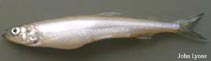 Osmerus mordax
ຮູບພາບໂດຍ Lyons, J.
ຮູບ | Google image
ຮູບພາບໂດຍ Lyons, J.
ການຈັດປະເພດ / ຊື່ ຊື່ສາມັນ | ຄຳສັບຄ້າຍຄືກັນ | Catalog of Fishes(ຕະກຸນ, ຊະນິດ) | ITIS | CoL | WoRMS | Cloffa
> Osmeriformes (Freshwater smelts) > Osmeridae (Smelts)
Etymology: Osmerus: Greek, osme = odorous; similar to freshly cut cucumbers (Ref. 45335); mordax: mordax meaning biting (Ref. 10294).
More on author: Mitchill.
Etymology: Osmerus: Greek, osme = odorous; similar to freshly cut cucumbers (Ref. 45335); mordax: mordax meaning biting (Ref. 10294).
More on author: Mitchill.
ສະພາບແວດລ້ອມ: ສະພາບແວດລ້ອມ / ເຂດດິນຟ້າອາກາດ / ລະດັບຄວາມເລິກ / ຂອບເຂດການແຈກຢາຍ ນິເວດວິທະຍາ
ສັດທະເລ; ນ້ຳຈືດ; ນ້ຳກ່ອຍ pelagic-oceanic; ປາທີ່ມີການເຄື່ອນຍ້າຍຈາກທະເລ ແລະ ໄປໄຂ່ຢູ່ນ້ຳຈືດ (Ref. 138124); ລະດັບຄວາມເລິກ 0 - 425 m (Ref. 58426), usually ? - 150 m (Ref. 96339). Temperate; 6°C - 18°C (Ref. 1998); 73°N - 41°N, 167°W - 53°W (Ref. 86798)
ການແຜ່ກະຈາຍ ອານາເຂດ | ເຂດ FAO | ລະບົບນິເວດ | ການປະກົດຕົວ | ຈຸດໃດໜຶ່ງທີ່ສະແດງອອກໃນແຜນທີ່ (ພ້ອມທັງສະແດງຂໍ້ມູນເພີ້ນເຕີມ) | ການແນະນຳ | Faunafri
North Atlantic: Atlantic drainages from Lake Melville in Newfoundland and Labrador, Canada to Delaware River in Pennsylvania, USA and west through Great lakes. Arctic and Pacific drainages from Bathurst Inlet, Northwest Territories to Vancouver Island in British Columbia, Canada. Also Pacific drainages of Asia.
ຄວາມຍາວໃນການເຕີບໂຕເຕັມຄັ້ງທໍາອິດ / ຂະໜາດ / ນ້ຳໜັກ / ອາຍຸ
ການຈະເລີນເຕັມໄວ: Lm 19.5 range ? - 19.8 cm
Max length : 35.6 cm TL ຕົວຜູ້/ບໍ່ມີເພດ; (Ref. 1998); ອາຍຸສູງສຸດທີ່ເຄຍລາຍງານມາ: 7 ປີ (Ref. 52222)
Max length : 35.6 cm TL ຕົວຜູ້/ບໍ່ມີເພດ; (Ref. 1998); ອາຍຸສູງສຸດທີ່ເຄຍລາຍງານມາ: 7 ປີ (Ref. 52222)
ຄຳອະທິບາຍສັ້ນໆ ຕົວທີ່ໃຊ້ໃນການຈຳແນກຊະນິດ | ສະລີລະວິທະຍາ | ການວັດແທກຮູບຮ່າງລັກສະນະພາຍນອກຂອງດິນ,ສັດ,ປາ…
ຄີ (ໜາມ)ແຂງຢູ່ຫຼັງປາ (ທັງໝົດ) : 0; ຄີຫຼັງຂອງປາ (ຄີອ່ອນ) (ທັງໝົດ) : 8; ຄີ(ໜາມ) ແຂງຢູ່ຄີກົ້ນປາ
ກຸ່ມປາກະດູກແຂງ
ຄວາມຖີ່ຂອງກຸ່ມຖ່າຍທອດພັນ
ປາທີ່ມີການເຄື່ອນຍ້າຍຈາກທະເລໄປຫານ້ຳຈືດ ແລະນ້ຳຈືດຫາທະເລ
ປາທີ່ມີການເຄື່ອນຍ້າຍຈາກທະເລແລະໄປໄຂ່ຢູ່ນ້ຳຈືດ
ຄີກົ້ນຂອງປາ
ສັດທີ່ມີກະດູກສັນຫັຼງ
ການຖ່າຍທອດທາງກຳມະພັນຈາກພໍ່ແມ່ຫາລູກ: 0; ຄີກົ້ນຂອງປາ: 12 - 16; ສັດທີ່ມີກະດູກສັນຫຼັງ: 58 - 70. Body elongate, laterally compressed, greatest depth at anterior of dorsal fin origin. Head moderate; eye moderately large; snout elongate, pointed. Mouth large; lower jaw protruding, maxillary extending to middle of eye or beyond, well toothed on vomer, palatine, pterygoid, basibranchial, dentary, maxillary, and tongue. Teeth specially enlarged on tongue and front of vomer. Body color is pale green on back, with purple, blue, and pink iridescent reflections on the side when freshly caught.
Body shape (shape guide): elongated; Cross section: compressed.
Body shape (shape guide): elongated; Cross section: compressed.
Nerito-pelagic (Ref. 58426). Inhabits cool clear lakes, medium to large rivers, and coastal waters (Ref. 86798). A schooling species that occurs in midwater of lakes or inshore coastal waters (Ref. 1998); at temperatures ranging from 7.2-15.6°C. Coastal population are anadromous (Ref, 86798). Migrates up to 1,000 km upstream in rivers (Ref. 6793). Occurs possibly to 425 m (Ref. 2851). Feeds on invertebrates such as amphipods, ostracods, aquatic insect larvae and aquatic worms (Ref. 1998); food also include copepods, euphausiids, mysids and small fishes (silversides, mummichogs and herring) (Ref. 5951, 10294). Headed, gutted, sold fresh, frozen and precooked. Eaten sautéed and fried (Ref. 9988).
ວົງຈອນຊີວິດ ແລະພຶດຕິກໍາການຫາຄູ່ ການຈະເລີນເຕັມໄວ | ການສືບພັນ | ການວາງໄຂ່ | ໄຂ່ | ຄວາມດົກຂອງໄຂ່ປາ | ຕົວອ່ອນ
Spawning runs occur when temperature is between 8.9-18.3°C, may last for 3 weeks, peak for 1 week. Lengths of both sexes decrease as spawning progress. Two or more tuberculated males maintain position against a female in swift water, eggs released in clusters and presumably milt released simultaneously. Spawning usually takes place at night, spawners move downstream to the lake during daytime.
ເອກະສານອ້າງອີງຫຼັກ
ອັບໂຫລດເອກະສານອ້າງອີງຂອງທ່ານ | ເອກະສານອ້າງອີງ | ຜູ້ປະສານງານ | ຜູ້ຮ່ວມມື
Mecklenburg, K.C., P.R. Møller and D. Steinke, 2011. Biodiversity of the Arctic marine fishes: taxonomy and zoogeography. Marine Biodiversity 41(1):109-140. (Ref. 86838)
ສະຖານະພາບບັນຊີແດງຂອງ IUCN (Ref. 130435: Version 2025-2 (Global))
Least Concern (LC) ; Date assessed: 01 March 2012
CITES
Not Evaluated
ໄພຂົ່ມຂູ່ຕໍ່ມະນຸດ
Harmless
ການນໍາໃຊ້ຂອງມະນຸດ
ການປະມົງ: ເປັນສີນຄ້າ; ຊະນິດປາທີ່ຖືກນຳໃຊ້ເຂົ້າໃນການຫາເພື່ອເປັນເກມກິລາ: ແມ່ນ
FAO - ການປະມົງ: landings search; Publication: search | FishSource | ທະເລອ້ອມຂ້າງພວກເຮົາ
ຂໍ້ມູນຕື່ມອີກ
ນະໂຍບາຍດ້ານປະຊາກອນ
ຕົວວັດແທກການເຕີບໃຫຍ່
ສູງສຸດ. ອາຍຸ / ຂະຫນາດ
ຄວາມຍາວ-ນ້ໍາຫນັກ rel.
ຄວາມຍາວ - ຄວາມຍາວ rel.
ຄວາມຖີ່ຄວາມຍາວ
ການແປງມະຫາຊົນ
ການທົດແທນທີ່
ຄວາມອຸດົມສົມບູນ
ຕົວວັດແທກການເຕີບໃຫຍ່
ສູງສຸດ. ອາຍຸ / ຂະຫນາດ
ຄວາມຍາວ-ນ້ໍາຫນັກ rel.
ຄວາມຍາວ - ຄວາມຍາວ rel.
ຄວາມຖີ່ຄວາມຍາວ
ການແປງມະຫາຊົນ
ການທົດແທນທີ່
ຄວາມອຸດົມສົມບູນ
ວົງຈອນຊີວິດ
ການສືບພັນ
ການຈະເລີນເຕັມໄວ
ການເຕີບໃຫຍ່ / Gills rel.
ຄວາມດົກຂອງໄຂ່ປາ
ການວາງໄຂ່
ການລວບລວມການວາງໄຂ່
ໄຂ່
ການພັດທະນາໄຂ່
ຕົວອ່ອນ
ການປ່ຽນແປງຂອງຕົວອ່ອນ
ການສືບພັນ
ການຈະເລີນເຕັມໄວ
ການເຕີບໃຫຍ່ / Gills rel.
ຄວາມດົກຂອງໄຂ່ປາ
ການວາງໄຂ່
ການລວບລວມການວາງໄຂ່
ໄຂ່
ການພັດທະນາໄຂ່
ຕົວອ່ອນ
ການປ່ຽນແປງຂອງຕົວອ່ອນ
ຟີຊິກສາດ
ອົງປະກອບຂອງຮ່າງກາຍ
ທາດອາຫານ
ການບໍລິໂພກອົກຊີເຈນ
ປະເພດລອຍ
ຄວາມໄວໃນການລອຍ
ເມັດສີທີ່ເບິ່ງເຫັນ
ສຽງປາ
ພະຍາດ & ກາຝາກ
ຄວາມເປັນພິດ (LC50s)
ອົງປະກອບຂອງຮ່າງກາຍ
ທາດອາຫານ
ການບໍລິໂພກອົກຊີເຈນ
ປະເພດລອຍ
ຄວາມໄວໃນການລອຍ
ເມັດສີທີ່ເບິ່ງເຫັນ
ສຽງປາ
ພະຍາດ & ກາຝາກ
ຄວາມເປັນພິດ (LC50s)
ມະນຸດທີ່ກ່ຽວຂ້ອງ
ລະບົບການລ້ຽງປາ
ຂໍ້ມູນການລ້ຽງສັດນ້ຳ
ສາຍພັນ
ກໍລະນີ Ciguatera
ສະແຕມ, ຫຼຽນ, ອື່ນໆ.
ລະບົບການລ້ຽງປາ
ຂໍ້ມູນການລ້ຽງສັດນ້ຳ
ສາຍພັນ
ກໍລະນີ Ciguatera
ສະແຕມ, ຫຼຽນ, ອື່ນໆ.
ເຄື່ອງມື
E-book | ຄູ່ມືພາກສະໜາມ | ຕົວທີ່ໃຊ້ໃນການຈຳແນກຊະນິດ | ຄວາມຖີ່ຂອງຄວາມຍາວປາ | ເຄື່ອງມືຂອງຊີວະປະຫວັດທາງດ້ານຊີວິດ | ຈຸດໃດໜຶ່ງທີ່ສະແດງອອກໃນແຜນທີ່ (ພ້ອມທັງສະແດງຂໍ້ມູນເພີ້ນເຕີມ) |
ຈັບ-MSY |
ບົດລາຍງານພິເສດ
ກວດສອບການບໍາລຸງຮັກສາຕູ້ປາ | ກວດເບິ່ງເອກະສານຄວາມຈິງຂອງຊະນິດ | ກວດເບິ່ງເອກະສານຄວາມເປັນຈິງການລ້ຽງສັດນ້ຳ
ດາວໂຫລດ XML
ແຫຼ່ງອີນເຕີເນັດ
AFORO (otoliths) | Alien/Invasive Species database | Aquatic Commons | BHL | Cloffa | Websites from users | Check FishWatcher | CISTI | Catalog of Fishes: ຕະກຸນ, ຊະນິດ | DiscoverLife | ECOTOX | FAO - ການປະມົງ: landings search; Publication: search | Faunafri | Fishipedia | Fishtrace | GloBI | Google Books | Google Scholar | Google | IGFA World Record | OceanAdapt | OneZoom | Open Tree of Life | Otolith Atlas of Taiwan Fishes | ບ່ອນວາງສະແດງສັນນ້ຳຂອງລັດ | PubMed | Reef Life Survey | Socotra Atlas | TreeBase | ແຜນທີ່ສະແດງກິ່ງງ່າຂອງເຊື້ອຕະກຸນປາ, ສັດ ຈາກບັນພະບູລຸດຈົນເຖິງຫລານ | Wikipedia: Go, ຊອກຫາ | | ການບັນທຶກດ້ານສັດວິທະຍາ
ການຄາດຄະເນໂດຍອີງໃສ່ແບບຈໍາລອງ
|
ດັດຊະນີຄວາມຫຼາກຫຼາຍທາງຊີວະພາບ (ເອກະສານອ້າງອີງ 82804) |
PD50 = 0.5625 [Uniqueness, from 0.5 = low to 2.0 = high]. |
| Bayesian length-weight | a=0.00407 (0.00329 - 0.00505), b=3.15 (3.09 - 3.21), in cm total length, based on LWR estimates for this species (Ref. 93245). |
|
ຊັ້ນເຂດຮ້ອນ (ເອກະສານອ້າງອີງ 69278) |
3.0 ±0.0 se; based on diet studies. |
|
ຄວາມຢືດຢຸ່ນ (ເອກະສານອ້າງອີງ 120179) |
ຂະໜາດກາງ, ປະຊາກອນຕຳ່ສຸດທີ່ໃຊ້ເວລາສອງເທົ່າ 1.4 - 4.4 ປີ (K=0.31; tm=2-6; tmax=6; Fec=8,500). |
|
ຄວາມສ່ຽງຕໍ່ການຫາປາ (Ref. 59153) |
Moderate vulnerability (38 of 100). 🛈 |
|
ຄວາມສ່ຽງດ້ານສະພາບອາກາດ (Ref. 125649) |
Low to moderate vulnerability (32 of 100). 🛈 |
|
ປະເພດລາຄາ (Ref. 80766) |
Low. |
|
ທາດອາຫານ (Ref. 124155) |
Calcium = 55.1 [21.0, 119.8] mg/100g; Iron = 0.477 [0.226, 1.202] mg/100g; Protein = 17.6 [14.6, 20.0] %; Omega3 = 0.853 [0.430, 1.777] g/100g; Selenium = 14.5 [6.4, 42.4] μg/100g; VitaminA = 14 [4, 47] μg/100g; Zinc = 0.827 [0.530, 1.309] mg/100g (wet weight); based on nutrient studies. |