Pomadasys jubelini, Sompat grunt : fisheries

You can sponsor this page

Pomadasys jubelini (Cuvier, 1830)

Sompat grunt
ເພີ່ມ​ການ​ສັງ​ເກດ​ຂອງ​ທ່ານ​ໃນ​ Fish Watcher
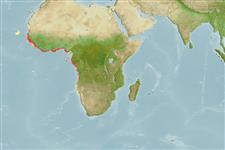
Native range | All suitable habitat | Point map | Year 2050
This map was computer-generated and has not yet been reviewed.
Pomadasys jubelini   AquaMaps   Data sources: GBIF OBIS
ອັບໂຫລດຂອງທ່ານ ຮູບພາບ ແລະ ວິດີໂອ
ຮູບ | Google image
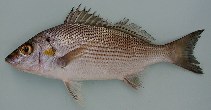
  • Image of Pomadasys jubelini (Sompat grunt)
    Pomadasys jubelini
    Female ຮູບພາບໂດຍ Freitas, R.
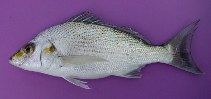
  • Image of Pomadasys jubelini (Sompat grunt)
    Pomadasys jubelini
    Female ຮູບພາບໂດຍ Freitas, R.


Ghana territory information

Common names: Akplortsu, Akplotsu, Buro
Occurrence: native
Salinity: freshwater
Abundance: | Ref:
Importance: commercial | Ref:
Aquaculture: | Ref:
Regulations: | Ref:
Uses: no uses
Comments: Importance to fisheries provided by H. Dankwa, pers. comm. 06/05.
National Checklist:
Territory Information: https://www.cia.gov/library/publications/resources/the-world-factbook/geos/gh.html
National Fisheries Authority:
Occurrences: Occurrences Point map
Main Ref: Ita, E.O., 1984
National Database:

Common names from other countries

ການຈັດປະເພດ / ຊື່ ຊື່ສາມັນ | ຄຳສັບຄ້າຍຄືກັນ | Catalog of Fishes(ຕະກຸນ, ຊະນິດ) | ITIS | CoL | WoRMS | Cloffa

> Eupercaria/misc (Various families in series Eupercaria) > Haemulidae (Grunts) > Haemulinae
Etymology: Pomadasys: Greek, poma, -atos = cover, operculum + Greek, dasys = with hair (Ref. 45335).
Eponymy: Jean Jubelin (1787–1860) was the French governor of Senegal (1828–1829) at the time this fish was discovered there. After his tenure in Senegal, he became governor of French Guiana. (Ref. 128868), visit book page.
More on author: Cuvier.

ສະພາບແວດລ້ອມ: ສະພາບແວດລ້ອມ / ເຂດ​ດິນ​ຟ້າ​ອາ​ກາດ​ / ລະດັບຄວາມເລິກ / ຂອບເຂດການແຈກຢາຍ ນິເວດວິທະຍາ

ສັດທະເລ; ນ້ຳຈືດ; ນ້ຳກ່ອຍ ອາໄສຢູ່ໃກ້ໜ້າດິນໃຕ້ພື້ນທ້ອງນ້ຳ; ລະດັບຄວາມເລິກ ? - 100 m (Ref. 57395), usually 20 - 50 m (Ref. 2683). Tropical; 20°C - ? (Ref. 2799); 20°N - 23°S, 26°W - 16°E

ການແຜ່ກະຈາຍ ອານາເຂດ | ເຂດ FAO | ລະບົບນິເວດ | ການປະກົດຕົວ | ຈຸດໃດໜຶ່ງທີ່ສະແດງອອກໃນແຜນທີ່ (ພ້ອມທັງສະແດງຂໍ້ມູນເພີ້ນເຕີມ) | ການແນະນຳ | Faunafri

Eastern Atlantic: west coast of Africa, from Mauritania (Ref. 7376, 57395) to southern Angola (Ref. 2799, 57395).

ຄວາມ​ຍາວ​ໃນ​ການ​ເຕີບ​ໂຕ​ເຕັມ​ຄັ້ງ​ທໍາ​ອິດ​ / ຂະໜາດ / ນ້ຳໜັກ / ອາຍຸ

ການຈະເລີນເຕັມໄວ: Lm 13.1  range ? - ? cm
Max length : 60.0 cm TL ຕົວຜູ້/ບໍ່ມີເພດ; (Ref. 57395); common length : 45.0 cm TL ຕົວຜູ້/ບໍ່ມີເພດ; (Ref. 3660)

ຄຳອະທິບາຍສັ້ນໆ ຕົວທີ່ໃຊ້ໃນການຈຳແນກຊະນິດ | ສະລີລະວິທະຍາ | ການວັດແທກຮູບຮ່າງລັກສະນະພາຍນອກຂອງດິນ,ສັດ,ປາ…

ຄີ (ໜາມ)ແຂງຢູ່ຫຼັງປາ (ທັງໝົດ) : 11 - 12; ຄີຫຼັງຂອງປາ (ຄີອ່ອນ) (ທັງໝົດ) : 15 - 17; ຄີ(ໜາມ) ແຂງຢູ່ຄີກົ້ນປາ ກຸ່ມປາກະດູກແຂງ ຄວາມຖີ່ຂອງກຸ່ມຖ່າຍທອດພັນ ປາທີ່ມີການເຄື່ອນຍ້າຍຈາກທະເລໄປຫານ້ຳຈືດ ແລະນ້ຳຈືດຫາທະເລ ປາທີ່ມີການເຄື່ອນຍ້າຍຈາກທະເລແລະໄປໄຂ່ຢູ່ນ້ຳຈືດ ຄີກົ້ນຂອງປາ ສັດທີ່ມີກະດູກສັນຫັຼງ ການຖ່າຍທອດທາງກຳມະພັນຈາກພໍ່ແມ່ຫາລູກ: 3; ຄີກົ້ນຂອງປາ: 8 - 9; ສັດທີ່ມີກະດູກສັນຫຼັງ: 27. Diagnosis: body oblong and compressed, not very deep (Ref. 57395). Snout short and pointed (Ref. 57395), obtuse (Ref. 81655), distinctly longer than eye diameter (Ref. 57395). 2 anterior pores on chin, followed by a median pit bearing openings of another pair of pores (Ref. 57395). A deep groove (Ref. 57395) and a pore above maxilla, below the preorbital bone (Ref. 57395, 81655). Last dorsal spine longer than penultimate one (Ref. 81655). Second anal fin spine longer and stouter than third (Ref. 57395, 81655), third anal spine may also be thick but always shorter (Ref. 81655). Caudal fin slightly forked; scales slightly ctenoid; 4-5 scale rows between lateral line and middle of spinous dorsal-fin base; swim bladder simple, without anterior horns (Ref. 57395). 11-13/1/3-6 (total 16-20) gill rakers on first gill arch; 6-7 scales on upper part of transverse series; 20-22 scales around middle of caudal peduncle (Ref. 81655). Coloration: silvery, with round, dark brown or black and irregularly scattered spots following scale rows on back and sides (Ref. 57395, 81655). Small-sized specimens <60 mm SL may lack spots, from this size on spots gradually become visible and pattern is well-developed in specimens of about 100 mm SL or larger; no spot on snout (Ref. 81655). Black opercular spot present at angle of opercle (Ref. 57395, 81655). Dorsal and caudal fins grey (Ref. 57395).
Body shape (shape guide): fusiform / normal.

ຊີວະສາດ     ຄຳແປສັບ (ຕ.ຢ. epibenthic)

Inhabit sandy and muddy bottoms of coastal waters and estuaries (Ref. 2683). Sometimes found in freshwater (Ref. 2135, 57395, 81655). Feeds on fish (Ref. 28587) and (benthic) crustaceans (Ref. 28587, 81655) as well as on mollusks and worms (Ref. 27121, 81655). Breeds in brackish water lagoons and estuaries, and even freshwaters (Ref. 57395). Of all grunts found in the continental waters of Lower Guinea, this species is found farthest upstream and seems best adapted to freshwater environments (Ref. 81655).

ວົງຈອນຊີວິດ ແລະພຶດຕິກໍາການຫາຄູ່ ການຈະເລີນເຕັມໄວ | ການສືບພັນ | ການວາງໄຂ່ | ໄຂ່ | ຄວາມດົກຂອງໄຂ່ປາ | ຕົວອ່ອນ

Oviparous, distinct pairing during breeding (Ref. 205).

ເອກະສານອ້າງອີງຫຼັກ ອັບໂຫລດເອກະສານອ້າງອີງຂອງທ່ານ | ເອກະສານອ້າງອີງ | ຜູ້ປະສານງານ | ຜູ້ຮ່ວມມື

Bauchot, M.-L., 2003. Haemulidae. p. 495-503 In C. Lévêque, D. Paugy and G.G. Teugels (eds.) Faune des poissons d'eaux douce et saumâtres de l'Afrique de l'Ouest, Tome 2. Coll. Faune et Flore tropicales 40. Musée Royal de l'Afrique Centrale, Tervuren, Belgique, Museum National d'Histoire Naturalle, Paris, France and Institut de Recherche pour le Développement, Paris, France. 815 p. (Ref. 57395)

ສະຖານະພາບບັນຊີແດງຂອງ IUCN (Ref. 130435: Version 2025-2 (Global))

  Least Concern (LC) ; Date assessed: 15 May 2013

CITES

Not Evaluated

CMS (Ref. 116361)

Not Evaluated

ໄພຂົ່ມຂູ່ຕໍ່ມະນຸດ

  Harmless


ການນໍາໃຊ້ຂອງມະນຸດ

ການປະມົງ: ທີ່ເປັນການຄ້າໜ້ອຍ

ຂໍ້ມູນຕື່ມອີກ

ນິເວດວິທະຍາເຂດຮ້ອນ
ລາຍການອາຫານ (ຜູ້ຖືກລ້າ)
ອົງປະກອບຂອງອາຫານ
ການບໍລິໂພກອາຫານ
ຄາບອາຫານ
ຜູ້ລ້າ
ນິເວດວິທະຍາ
ນິເວດວິທະຍາ
Home ranges
ນະໂຍບາຍດ້ານປະຊາກອນ
ຕົວວັດແທກການເຕີບໃຫຍ່
ສູງສຸດ. ອາຍຸ / ຂະຫນາດ
ຄວາມຍາວ-ນ້ໍາຫນັກ rel.
ຄວາມຍາວ - ຄວາມຍາວ rel.
ຄວາມຖີ່ຄວາມຍາວ
ການແປງມະຫາຊົນ
ການທົດແທນທີ່
ຄວາມອຸດົມສົມບູນ
ວົງຈອນຊີວິດ
ການສືບພັນ
ການຈະເລີນເຕັມໄວ
ການເຕີບໃຫຍ່ / Gills rel.
ຄວາມດົກຂອງໄຂ່ປາ
ການວາງໄຂ່
ການລວບລວມການວາງໄຂ່
ໄຂ່
ການພັດທະນາໄຂ່
ຕົວອ່ອນ
ການປ່ຽນແປງຂອງຕົວອ່ອນ
ການແຜ່ກະຈາຍ
ອານາເຂດ
ເຂດ FAO
ລະບົບນິເວດ
ການປະກົດຕົວ
ການແນະນຳ
BRUVS - ວິດີໂອ
ຮ່າງກາຍ
ເນື້ອທີ່ເຫືອກ
ສະໝອງ
ໂອໂຕລິດ
ຟີຊິກສາດ
ອົງປະກອບຂອງຮ່າງກາຍ
ທາດອາຫານ
ການບໍລິໂພກອົກຊີເຈນ
ປະເພດລອຍ
ຄວາມໄວໃນການລອຍ
ເມັດສີທີ່ເບິ່ງເຫັນ
ສຽງປາ
ພະຍາດ & ກາຝາກ
ຄວາມເປັນພິດ (LC50s)
ກຳມະພັນ
ພັນທຸ ກຳ
ກຳມະພັນ
Heterozygosity
ການຖ່າຍທອດທາງກຳມະພັນຈາກພໍ່ແມ່ຫາລູກ
ມະນຸດທີ່ກ່ຽວຂ້ອງ
ລະບົບການລ້ຽງປາ
ຂໍ້ມູນການລ້ຽງສັດນ້ຳ
ສາຍພັນ
ກໍລະນີ Ciguatera
ສະແຕມ, ຫຼຽນ, ອື່ນໆ.
ເຜີຍແຜ່
ຜູ້ຮ່ວມມື
ເອກະສານອ້າງອີງ
ເອກະສານອ້າງອີງ

ເຄື່ອງມື

ບົດລາຍງານພິເສດ

ດາວໂຫລດ XML

ແຫຼ່ງອີນເຕີເນັດ

ການຄາດຄະເນໂດຍອີງໃສ່ແບບຈໍາລອງ

ອຸນຫະພູມທີ່ຕ້ອງການ (ເອກະສານອ້າງອີງ 123201): 19.2 - 27.9, mean 25.4 °C (based on 82 cells).
ດັດຊະນີຄວາມຫຼາກຫຼາຍທາງຊີວະພາບ (ເອກະສານອ້າງອີງ 82804):  PD50 = 0.5000   [Uniqueness, from 0.5 = low to 2.0 = high].
Bayesian length-weight: a=0.01380 (0.01101 - 0.01731), b=2.97 (2.93 - 3.01), in cm total length, based on LWR estimates for this species (Ref. 93245).
ຊັ້ນເຂດຮ້ອນ (ເອກະສານອ້າງອີງ 69278):  3.6   ±0.51 se; based on food items.
Generation time: 3.7 ( na - na) years. Estimated as median ln(3)/K based on 1 growth studies.
ຄວາມຢືດຢຸ່ນ (ເອກະສານອ້າງອີງ 120179):  ຂະໜາດກາງ, ປະຊາກອນຕຳ່ສຸດທີ່ໃຊ້ເວລາສອງເທົ່າ 1.4 - 4.4 ປີ (K=0.3).
Prior r = 0.47, 95% CL = 0.31 - 0.70, Based on 2 data-limited stock assessments.
ຄວາມສ່ຽງຕໍ່ການຫາປາ (Ref. 59153):  Moderate vulnerability (36 of 100). 🛈
ຄວາມສ່ຽງດ້ານສະພາບອາກາດ (Ref. 125649):  Very high vulnerability (80 of 100). 🛈
ປະເພດລາຄາ (Ref. 80766):   High.
ທາດອາຫານ (Ref. 124155):  Calcium = 106 [23, 206] mg/100g; Iron = 1.02 [0.54, 1.90] mg/100g; Protein = 18.8 [16.9, 20.5] %; Omega3 = 0.235 [0.124, 0.397] g/100g; Selenium = 61.9 [35.8, 110.8] μg/100g; VitaminA = 14.4 [6.9, 27.5] μg/100g; Zinc = 1.22 [0.88, 1.71] mg/100g (wet weight);